
Last updated November 23, 2026
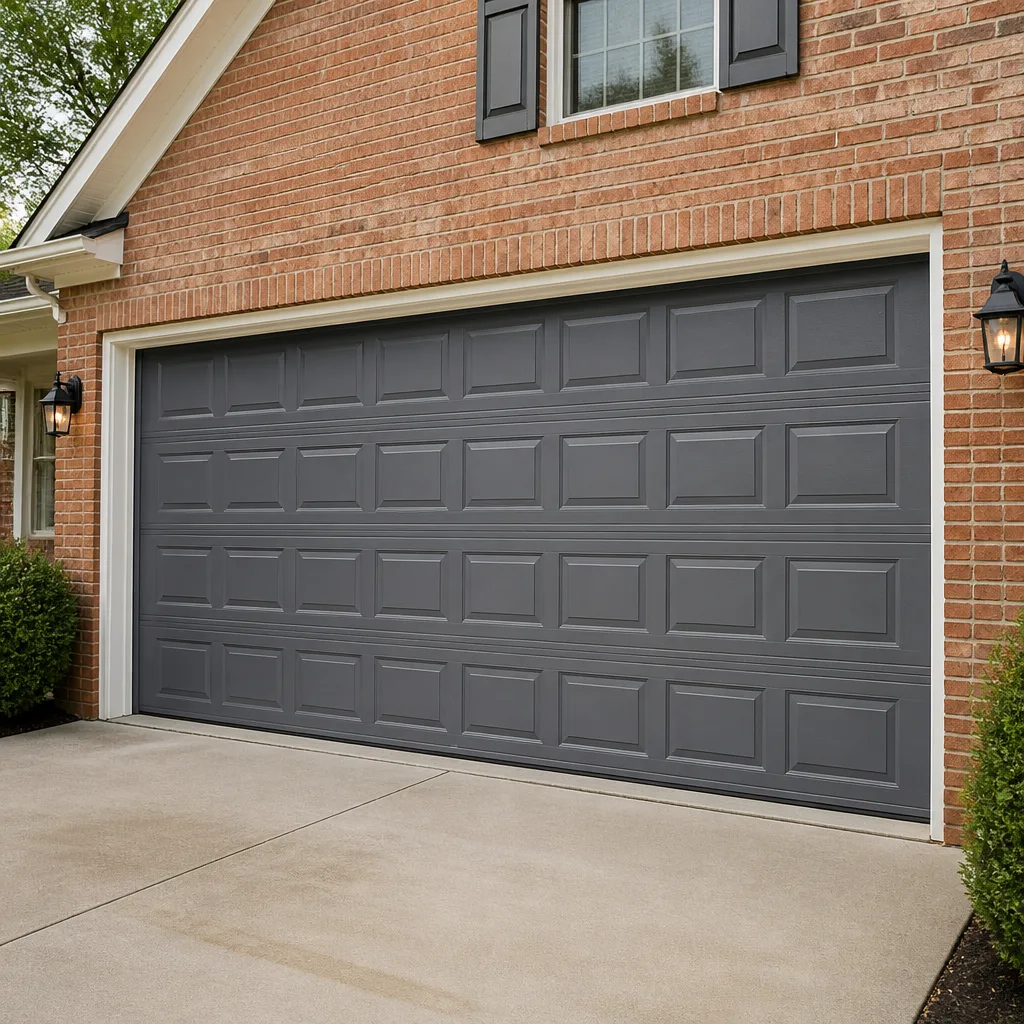 Raised-panel steel
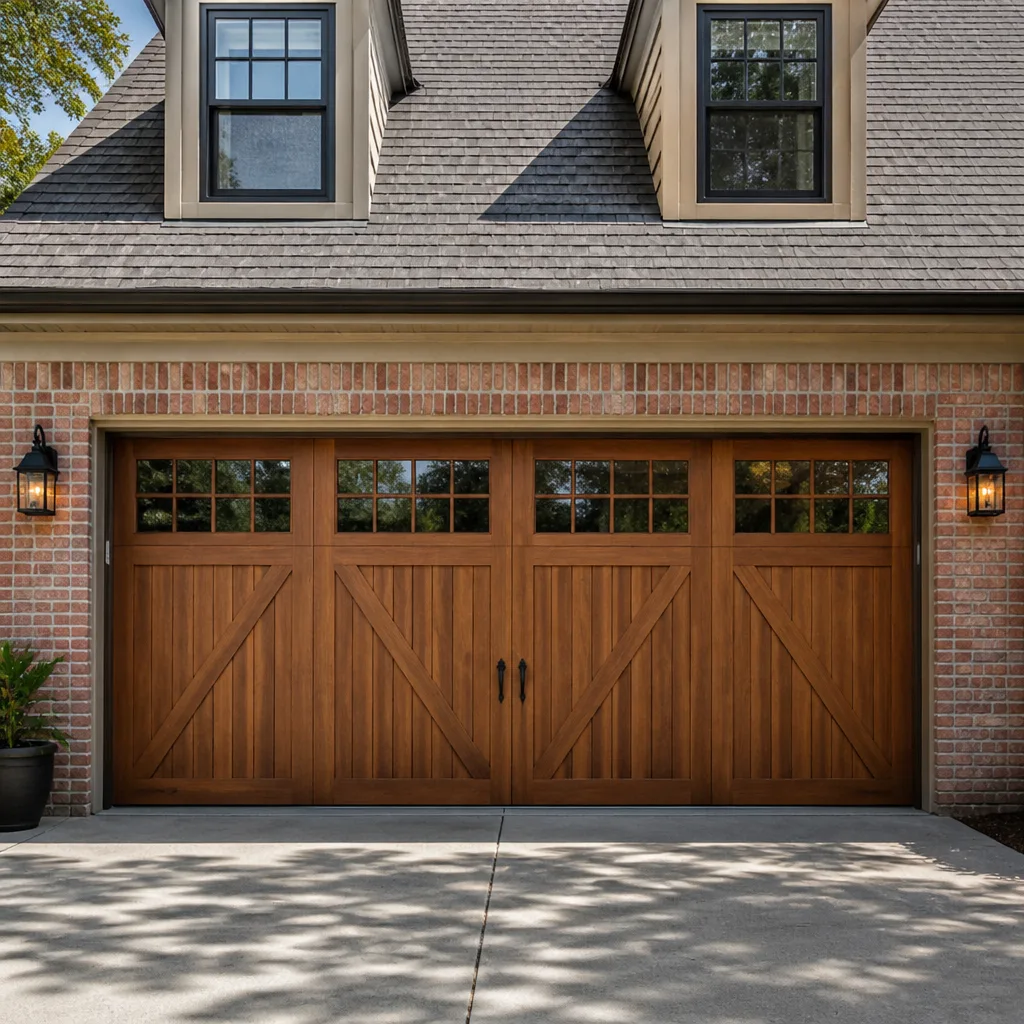 Carriage house
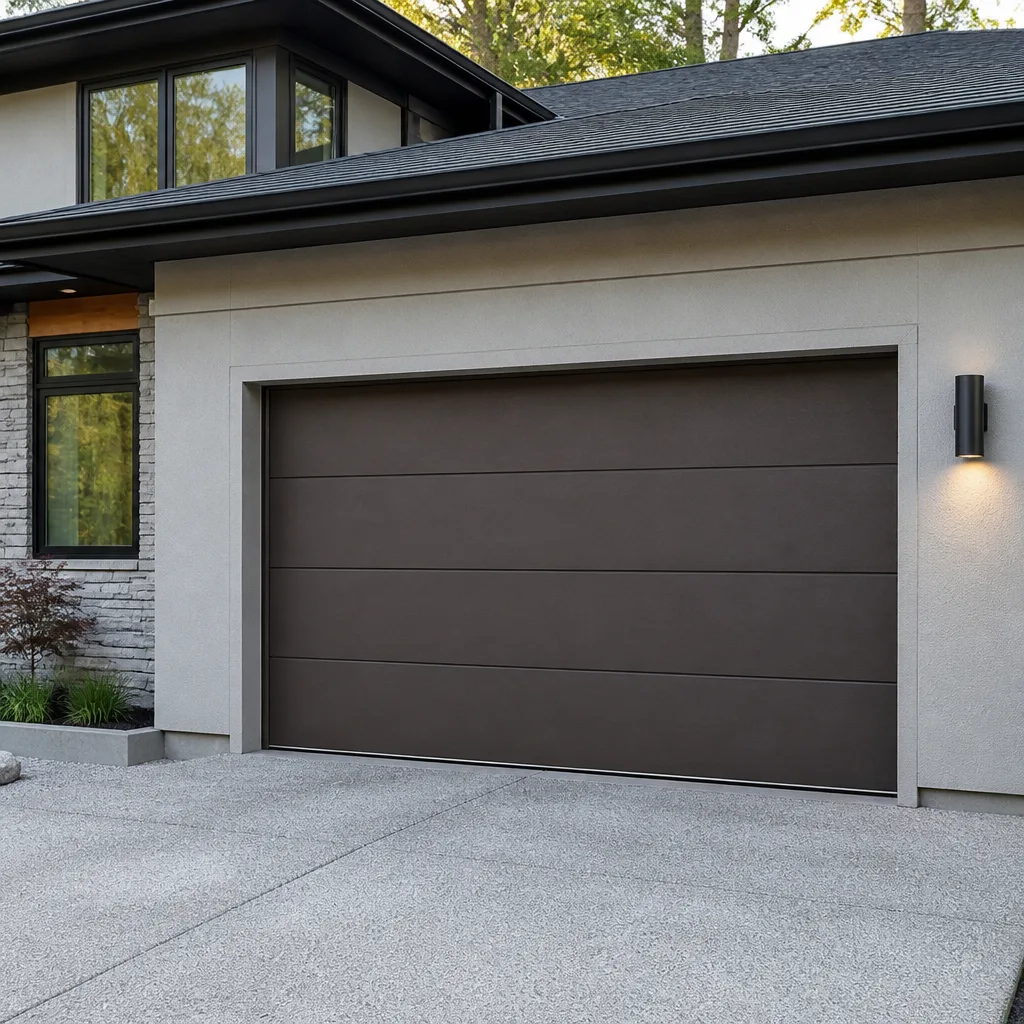 Modern flush
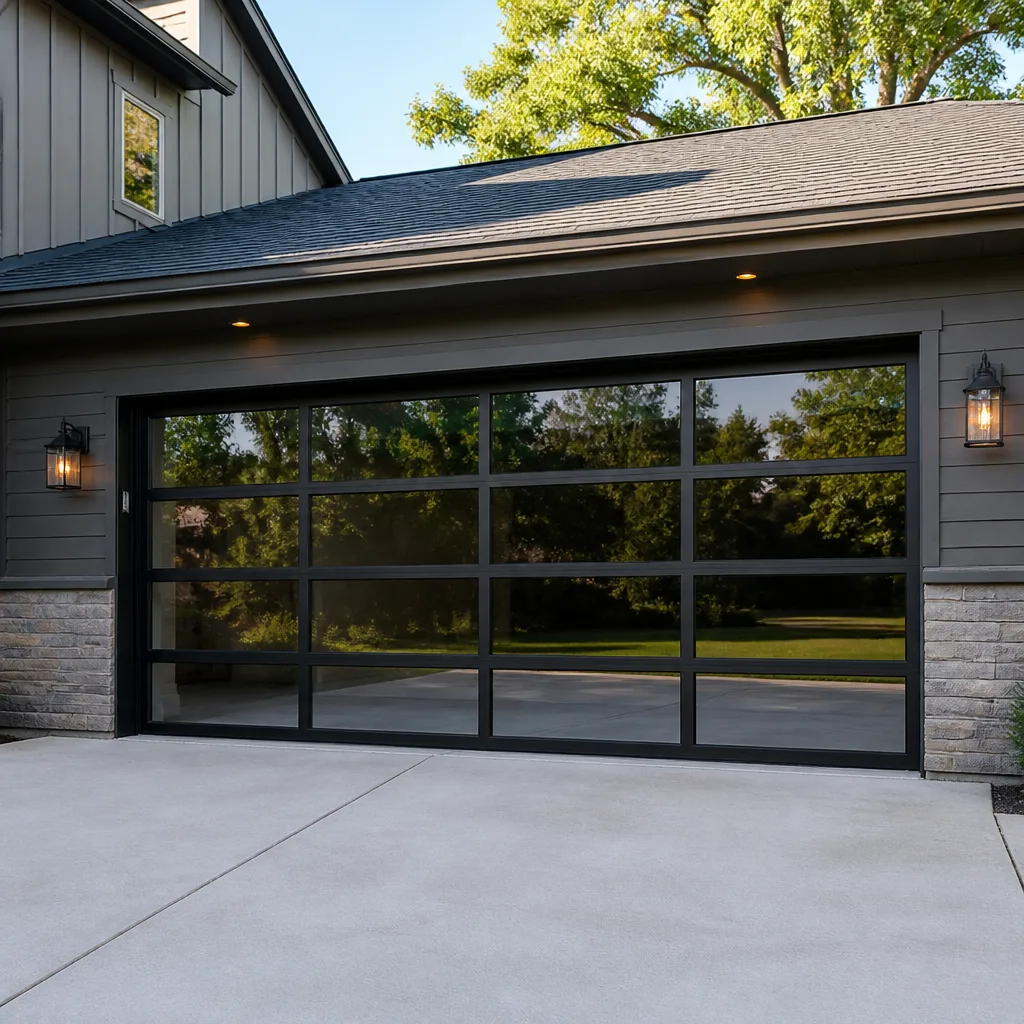 Full-view glass
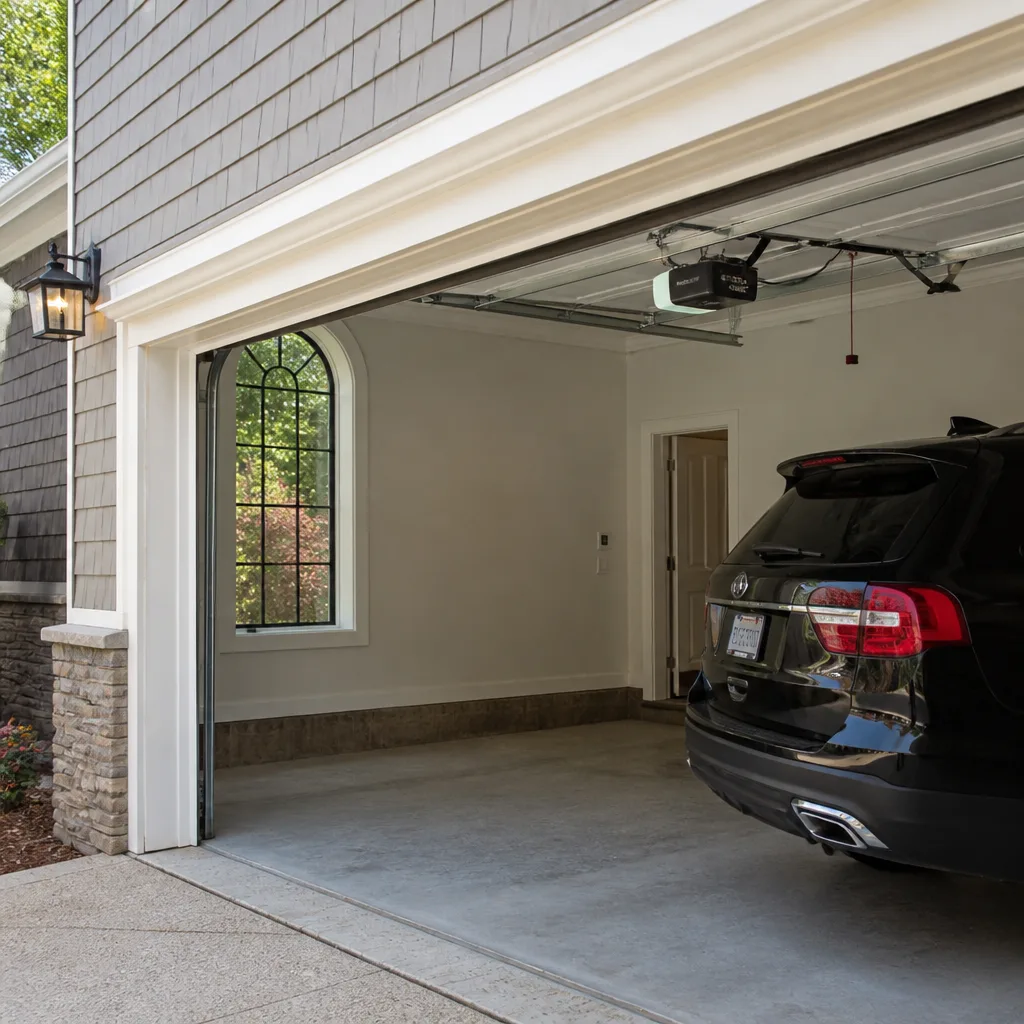 LiftMaster openers
 Chamberlain openers
Full 25-point door and opener safety check with every visit - springs, cables, rollers, tracks, and your LiftMaster or Chamberlain opener included
You get a price before we start. It does not change when the pro arrives.
Get your free estimateGarage Door Warning Signs: An Annapolis Homeowner’s Reference Guide
Most garage door advice tells you to “watch for strange noises.” That’s useless. A rhythmic click on the way down isn’t a loose panel. It’s a roller stem worn to the point where the wheel wobbles off the track centerline. That distinction is the difference between a small hardware fix and a full hardware replacement, and knowing which sound maps to which component is what this guide delivers. Every failure in a garage door system leaves a signature first: a specific grinding pitch, a movement hesitation, a rust streak running down a torsion tube. Learn the signatures and you’ll know what’s failing before it strands your car. We work on garage doors across Annapolis daily, and this reference covers the tells, the causes, and when a symptom needs a technician rather than a can of lubricant.
Quick Answer
The main garage door warning signs are a loud bang followed by a door that won’t lift (broken torsion spring), grinding or squealing during travel (failing bearings or rollers), a door that reverses without an obstruction (opener sensor or logic fault), jerky or uneven movement (spring balance or track alignment), and rust streaking or kinking on cables and springs (end-of-life hardware). Any of these means the door needs eyes on it soon, and a snapped spring or a frayed cable means stop using the door now.
Styles & brands we work with
- Raised-panel steel
- Carriage house
- Modern flush
- Full-view glass
- LiftMaster openers
- Chamberlain openers
Table of Contents
- Sound-to-Component Diagnostic Index
- Reading the Springs and Cables: What Rust, Kinks, and Gaps Tell You
- Movement Deviation Diagnostics
- Opener Behavior as a Symptom
- The 30-Second Monthly Disconnect Test
- Hardware Check: Rollers, Hinges, and Tracks
- How Annapolis Weather Affects Door Longevity
- Which Signs Mean Stop and Which Mean Schedule
Sound-to-Component Diagnostic Index
The sound your door makes is the most reliable early indicator you have, provided you identify the sound precisely. A general “it’s noisy” tells you nothing. The frequency, rhythm, and pitch tell you which part is complaining. Here’s how we map them when we diagnose a door in Annapolis.
- Grinding, low and constant: dry or seized rollers, or bearing plates on the torsion shaft that have lost their grease. The grind stays with the door through the full travel, not just at one spot.
- Clicking, rhythmic, on each roller pass: a worn roller stem allowing the wheel to shift off the track centerline. The click repeats at the interval of the door’s vertical sections. This is usually a low-cost hardware fix if caught early, because the stem hasn’t yet chewed the track.
- Squealing, high-pitched and intermittent: metal-on-metal contact from a dry hinge, or a roller bearing about to seize. It often appears in cold weather first, when lubricant thickens. In Annapolis, the first squeal of the season tends to show up when the temperature swings of late fall arrive.
- A sharp pop or bang, then silence and a door that won’t move: torsion or extension spring failure. This is the loudest sound a residential door makes and the most urgent. Stop operating the door.
- A rattle that follows the door from bottom to top: loose fasteners on hinges or brackets, or a track loose at its mounting points. Left alone, a vibrating track will start misaligning panels.
- A hum without movement from the opener: the motor runs but the trolley doesn’t travel. That’s an opener problem, not a door problem, and we diagnose it through the opener’s own boards and drive type rather than by guesswork.
The reason this index matters is economic. A click from a worn roller stem is a cheap fix. The same click ignored until the roller has abraded the vertical track is not, because now you’re looking at track replacement alongside the roller. If a sound is new, get it identified early. One call covers the whole system, including the garage door repair that resolves it. Call (844) 976-0297 for a free estimate.
Reading the Springs and Cables: What Rust, Kinks, and Gaps Tell You
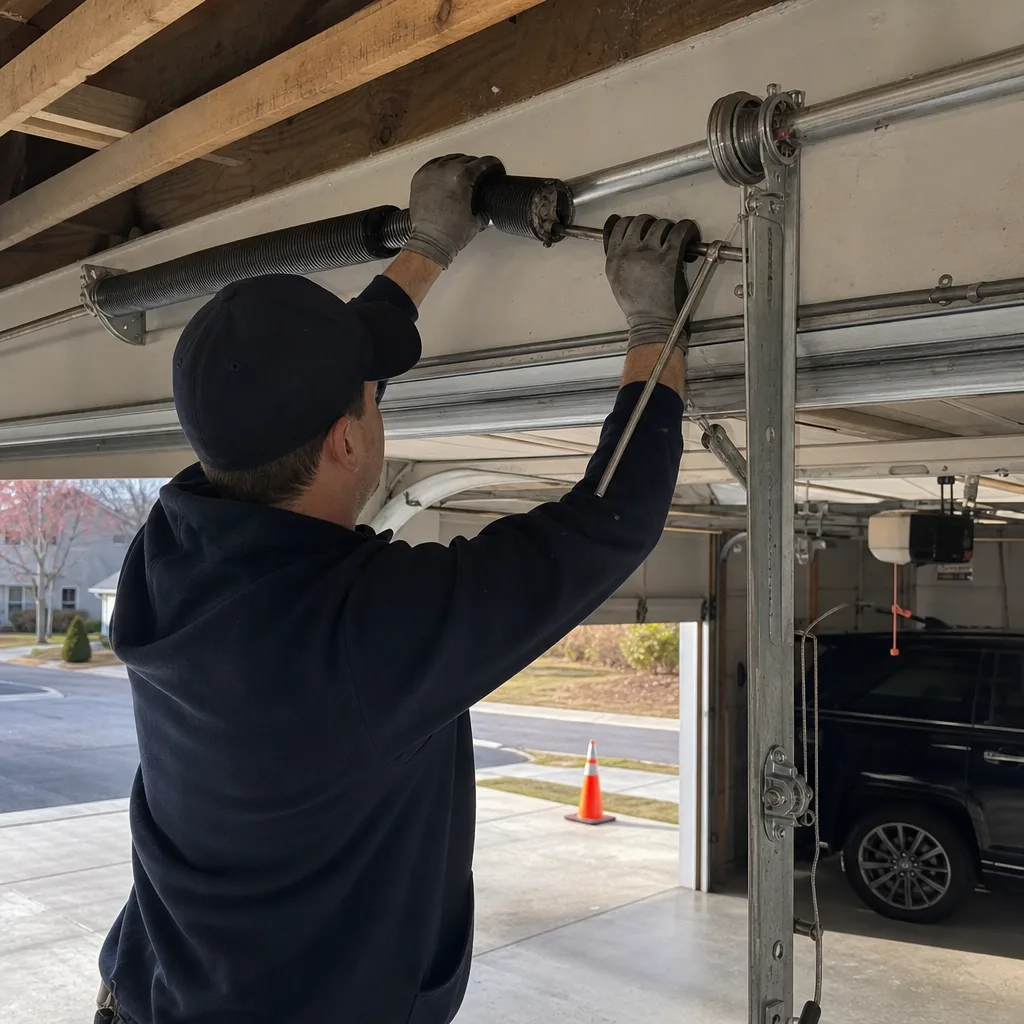
Springs and cables are the load-bearing heart of a garage door, and they telegraph wear with visible signs long before they fail. We treat spring repair as a core, safety-critical service because this is the most dangerous component on the whole system. Here’s what the visible tells indicate.
- Rust streaking down a torsion spring: the coating has broken down and moisture is reaching the steel. A streak doesn’t mean the spring is broken, but it means corrosion is thinning the wire over time. In Annapolis’ humid summers and freeze-thaw winters, springs exposed to air gaps at the bottom of the door are more prone to this than springs in a sealed, dry garage.
- Visible gaps between spring coils when the door is down: on a torsion spring, a gap means the wire has stretched or the spring has lost some of its stored energy. The door may still open, but the opener is now carrying load the spring should be carrying, which prematurely wears the opener motor and gears.
- Kinked or curled extension cables: extension spring cables should run straight and taut. A kink or a birdcage curl means the cable has been shock-loaded, usually because a spring took an uneven load or the door was stopped mid-cycle. Frayed strands on a cable are a stop-use condition; they can snap under load and whip with real force. Never touch or attempt to tighten a frayed cable yourself.
- A spring with two broken coils at one end: look closely at each end of the spring. A fresh break leaves a bright, clean-edged gap; older damage looks dull and embedded. Any break means the spring is finished, even if the door still lifts. Do not operate a door with a broken torsion spring. The remaining spring or springs carry doubled load, and a second failure while the door is moving can drop it.
Knowing the difference between a rusty spring and a broken one is exactly what lets you decide whether to schedule a look or stop using the door now. When in doubt, we’ll tell you over the phone and book garage door spring repair if it’s needed. Our technicians have up to 10 years of experience reading these tells.
Movement Deviation Diagnostics
A garage door should travel smoothly from closed to open at a consistent speed, pause briefly, and lower with even pressure. When it deviates from that, the deviation itself tells you where the problem sits. We watch three patterns most often.
- Hesitation at the top of travel. If the door slows or pauses noticeably as it approaches the fully open position, the torsion spring balance is off before the trolley carriage ever engages. A balanced door requires little effort to open by hand; if the spring is undersized or has lost tension, the opener has to fight upward the last section and slows. This is a spring-balance symptom, not an opener one.
- Hesitation at the bottom, or a thud on closing. If the door drops too fast near the floor or lands hard, spring tension is too high or the springs have been mismatched. This is a balance problem and a closing-safety problem; never let a door hit the floor at speed.
- Jerky, uneven travel or a door that seems to lean in its track. The door is out of level. Either one cable is longer than the other, one track is misaligned, or a panel has warped enough to bind. This is where the trolley carriage and the door hardware can imitate an opener fault, because the opener travels at constant speed while the door fights it. Diagnosing it means checking the tracks and cable drums before touching the opener.
A lot of Annapolis homeowners we talk to have already replaced an opener only to find the door still jerks or hesitates. The opener was the messenger, not the cause. We check the balance and the hardware before recommending any opener work, which is why our garage door opener repair starts with the door, not the motor. Call (844) 976-0297 for a free estimate.
Opener Behavior as a Symptom
Your opener is telling you something every time you press the button. Here’s how to read its behavior on the brands we service most: LiftMaster, Chamberlain, Genie, and Craftsman.
- The motor runs longer than it should, or runs without the door moving. If the motor hums for a few seconds and the door doesn’t move, the trolley carriage is likely disconnected, the drive belt or screw is stripped, or the opener’s gear is stripped. A motor that runs long after the door reaches open means the limit switch has drifted or failed.
- The door reverses without an obstruction. Every opener uses a safety reversal system. If the door reverses before touching the floor, the photo-eye sensor is misaligned, its lens is dirty, or sunlight is blinding it. In Annapolis, west-facing garage doors get direct afternoon sun in summer, and a low-angle beam hitting the receiving eye is a common cause of phantom reversals. If the reversal happens mid-travel, the force setting may be too sensitive or the door balance has changed.
- LED error codes on LiftMaster and Chamberlain units. Both brands use diagnostic LED blink patterns on the logic board or behind the light lens. The pattern (how many flashes, then a pause, then more flashes) points to a specific fault like a wiring problem, a photo-eye fault, or a travel/limit fault. Reading the pattern tells the technician which circuit to test instead of guessworking. Genie and Craftsman units have their own diagnostic conventions. We cover all four opener brands so you don’t hit a dead end.
Because we work on LiftMaster, Chamberlain, Genie, and Craftsman, we can diagnose by circuit board and drive type rather than by trial. That means faster calls and fewer return visits. For a free estimate on opener diagnosis, call (844) 976-0297.
The 30-Second Monthly Disconnect Test
This is the single most valuable habit we can teach an Annapolis homeowner, and it takes about 30 seconds once a month. It tests whether your springs are doing their job.
- Close the door fully and disconnect the opener using the manual release cord (the red pull handle). You’ll hear the trolley release from the carriage.
- Raise the door by hand to about halfway. Use the bottom handle or lift the bottom section edge carefully. Watch the door’s weight.
- Let go and observe. A balanced door should sit perfectly still at halfway, or rise or fall only if you nudge it. That’s what balanced feels like: neutral, weightless, patient.
- What resistance indicates. If the door drops fast on release, springs have lost tension or broken. If it feels heavy to lift and wants to slam down, your springs are under-tensioned and the opener is carrying too much load. If it won’t stay where you put it and creeps up, tension is too high.
- Reconnect the trolley by running the opener until the carriage meets the trolley, and re-engage the release.
Do not attempt to adjust or replace springs yourself. Torsion springs hold enormous stored energy, and a spring that lets go under a homeowner’s hands can cause serious injury. The disconnect test is diagnostic, not a repair. Anything other than that neutral, balanced feel means call a professional. If your test in Annapolis shows a heavy door, we can walk you through next steps. Call (844) 976-0297.
Hardware Check: Rollers, Hinges, and Tracks
Not every problem is a spring or opener. The hardware that walks the door along its track wears steadily, and inspecting it is safe and straightforward.
- Rollers: steel rollers wear flat spots; nylon rollers get brittle and crack. Look for flat edges, chips, or a visible gap between the roller and the track wall. Worn rollers are usually the source of the clicking described in the sound index.
- Hinges: hinge pivots dry out and wear oval. A hinge with visible play or rust bleeding from the pivot needs replacing before it binds.
- Tracks: check the vertical tracks for dents, loose bolts, and separation from the door frame. A track out of plumb causes the whole door to bind and can be traced back to someone bumping it with a car or a bicycle.
- Weather seal and bottom rubber: worn bottom seals let water and air in. In Annapolis, where humid summers and winter freezes both work at the seal, a hardened or cracked bottom rubber is common and lets moisture reach the door’s bottom section.
If your hardware check turns up more than a loose bolt or a dried hinge, this is general Annapolis Garage Door Repair territory. For a free estimate, call (844) 976-0297.
How Annapolis Weather Affects Door Longevity
A garage door in Annapolis lives through a genuinely mixed climate, and that shapes which warning signs show up first. The summers are humid enough that springs and tracks not well coated will show surface rust by mid-summer. Winters bring freeze-thaw cycles; the door’s bottom seal and threshold take the brunt as moisture freezes into the gaps. None of this means you should buy new hardware preemptively. It just means the visual checks are worth running a little more often than a homeowner in a dry climate might run them.
If your door faces a direction that collects direct afternoon sun, watch your opener’s photo-eye sensors in summer, as noted above. If your garage is uninsulated, expect the opener’s force settings to behave differently in the heat of August than in January. The force adjustment itself is not a thing to tweak instinctively; it’s a diagnosis step.
If your door is a Clopay or Amarr panel door, check the bottom section for water staining or softness after a wet winter. A rotted bottom section affects the whole door’s rigidity, and once a panel is compromised, it’s usually a replacement, not a repair. Knowing your door’s brand matters here. We work on Clopay, Amarr, Wayne Dalton, and Raynor doors, and we can tell you whether a worn section is part of a model that’s still in production. Call (844) 976-0297 for a free estimate.
Which Signs Mean Stop and Which Mean Schedule
Here’s the triage. Some signs mean you should not touch the button tomorrow morning. Others mean book a call and carry on.
- Stop using the door now: a sharp bang followed by no lift (broken spring), a frayed or kinked cable, a spring with a visible break, a door hanging at an angle, a door that fell or dropped on its own. Lock it and call.
- Schedule within days: grinding, clicking, squealing, a door that hesitates at top or bottom, an opener that reverses without obstruction, an opener that runs without moving the door, a door out of level.
- Watch and check next month: a light rattle, a hinge that needs a drop of lubricant, mild surface rust that hasn’t gone into the wire, a bottom seal that’s starting to harden.
When your car is trapped in the garage or your home is standing open, this is what our emergency garage door service is for. It’s a dedicated service line, not a vague quick-response promise. We answer 24/7. Fast dispatch from 7am to 7pm, Sunday through Friday, and closed Saturday. If your door fails on a Saturday, call anyway and we’ll book you for Sunday. Call (844) 976-0297.
Common Mistakes to Avoid
- Painting over rust on a spring or cable. Paint hides the very corrosion tell you need to track. Inspect and note the extent of rust, then decide with a technician whether the spring is near the end of its service life.
- Adjusting the opener force setting blindly. Homeowners often turn up the force to muscle a heavy door that a tired spring should be carrying. That masks the real fault and fast wears out the opener’s gear and motor.
- Lubricating tracks. Tracks should stay clean and dry so the rollers roll; grease on tracks attracts grit and lets rollers slide instead of roll, which accelerates wear.
- Assuming a reversing door means a broken sensor. In Annapolis, direct sun on the receiving photo-eye causes many phantom reversals. Check alignment and sunlight before ordering parts.
- Trying to replace a torsion spring yourself. The stored energy in a wound torsion spring is dangerous to handle without the right bars and training. This is a professional repair, every time.
- Buying a new opener to solve a door problem. If the door jerks or hesitates, the balance or hardware is at fault, not the opener. Diagnosing the door first saves an expensive, unnecessary purchase.
- Ignoring the bottom seal through a wet winter. Water tracked past a worn seal can rot the bottom section. Replacing a seal is small; replacing a section is not, and it’s an easy mistake to catch early in Annapolis.
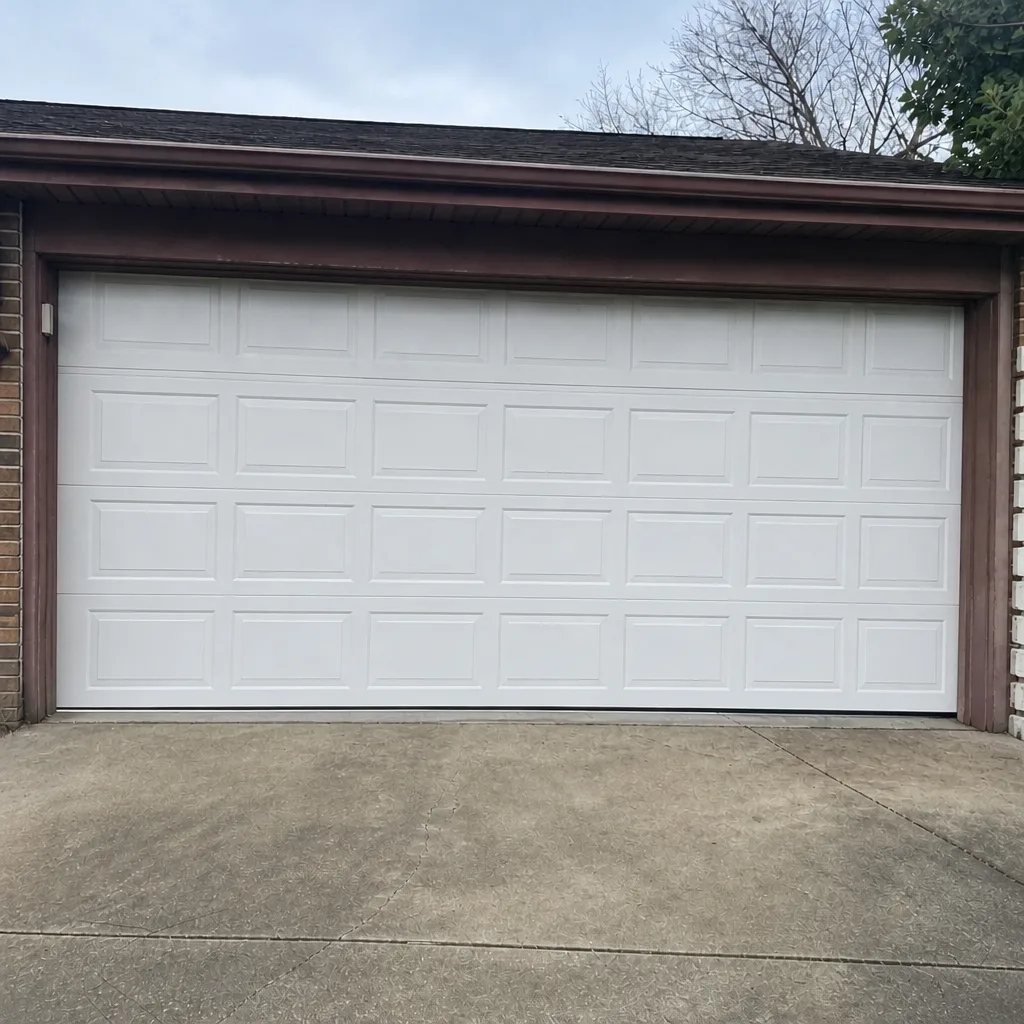
See the difference
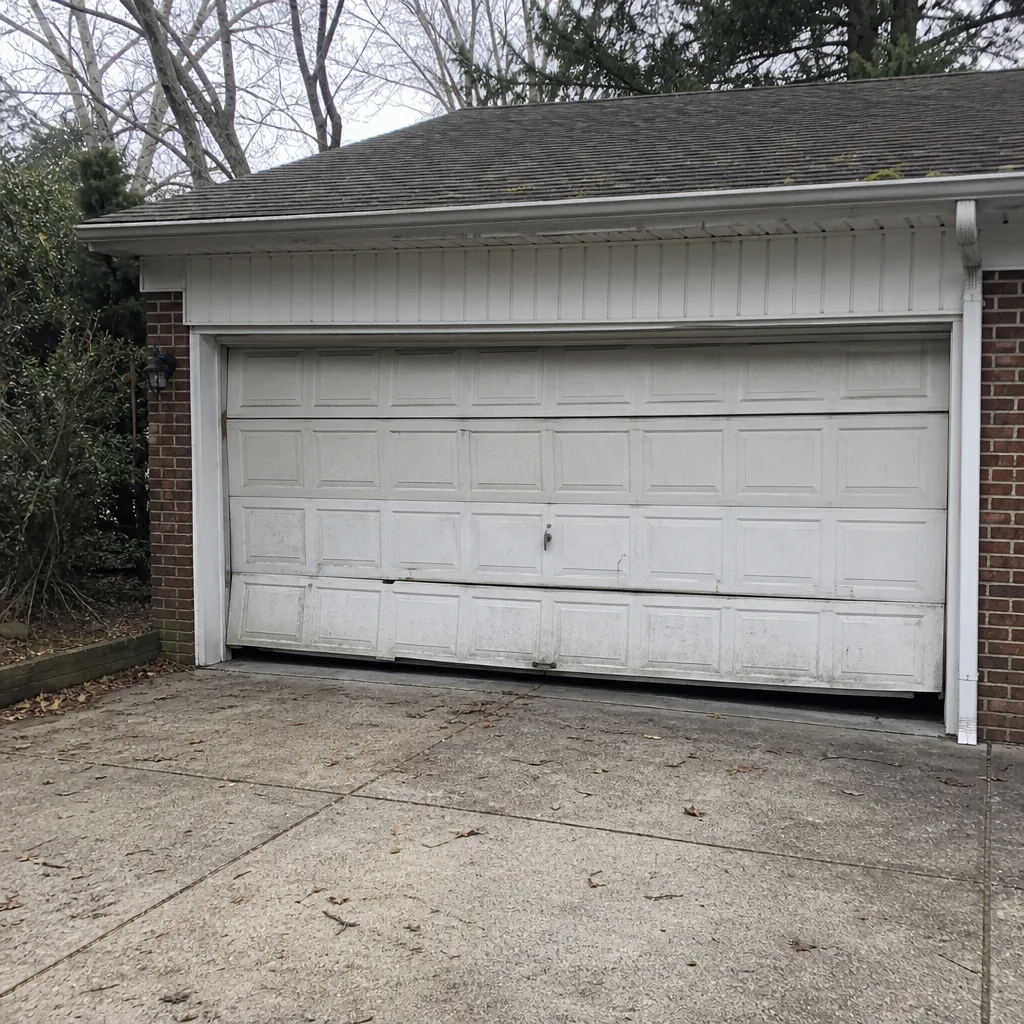 Before
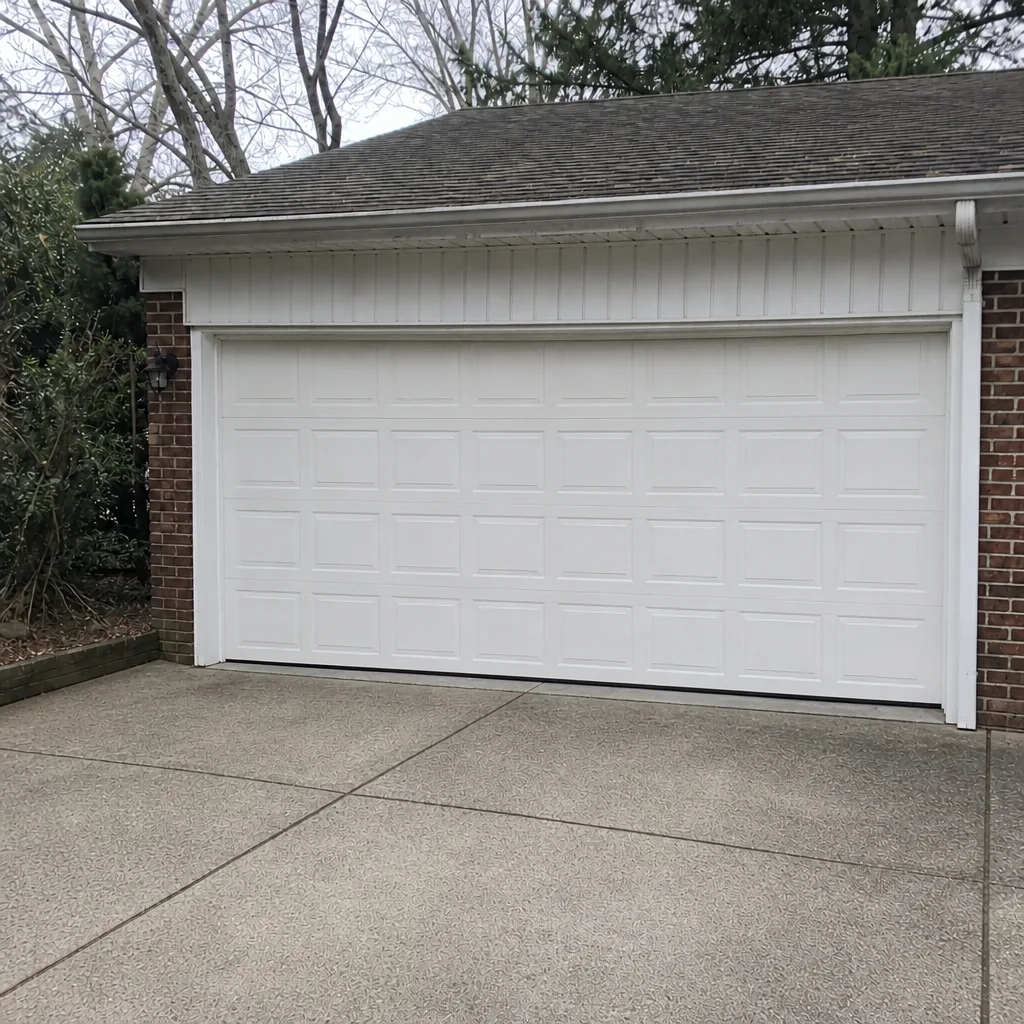 After
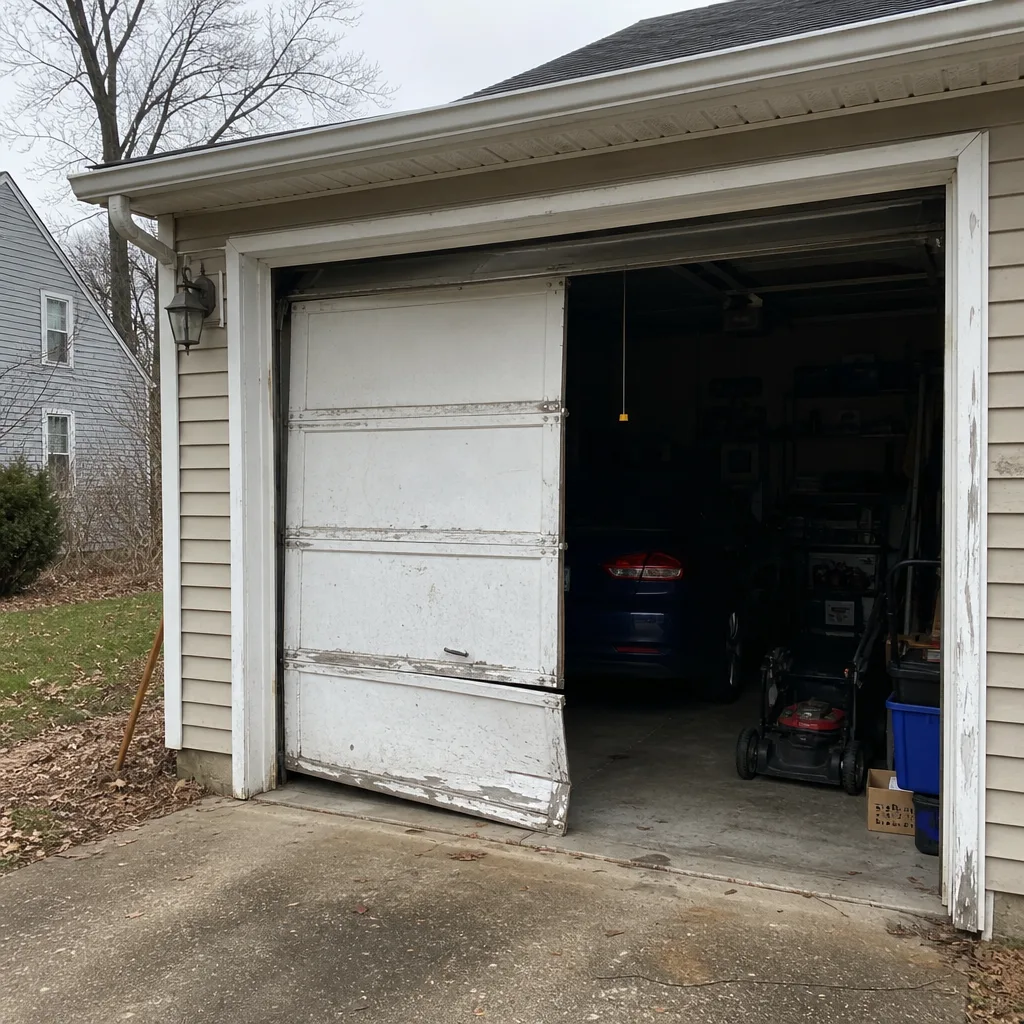 Before
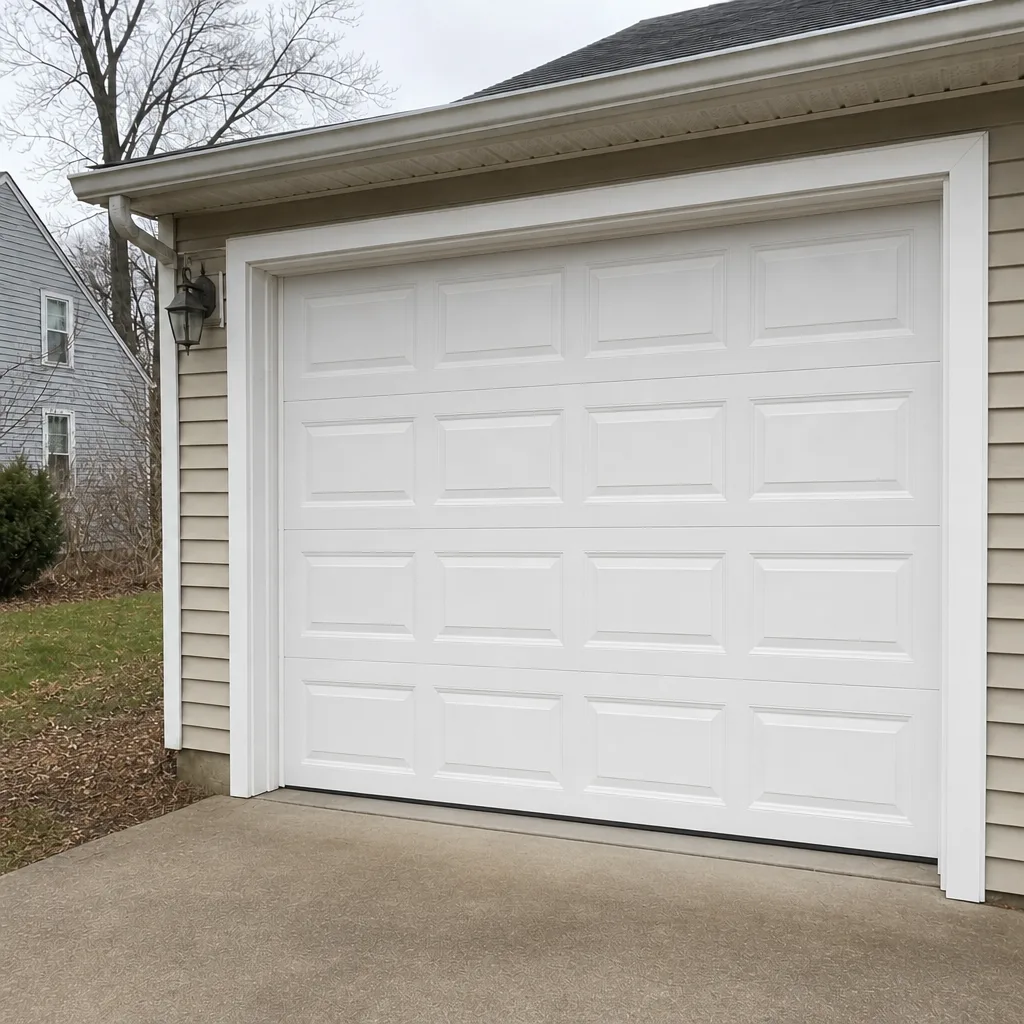 After
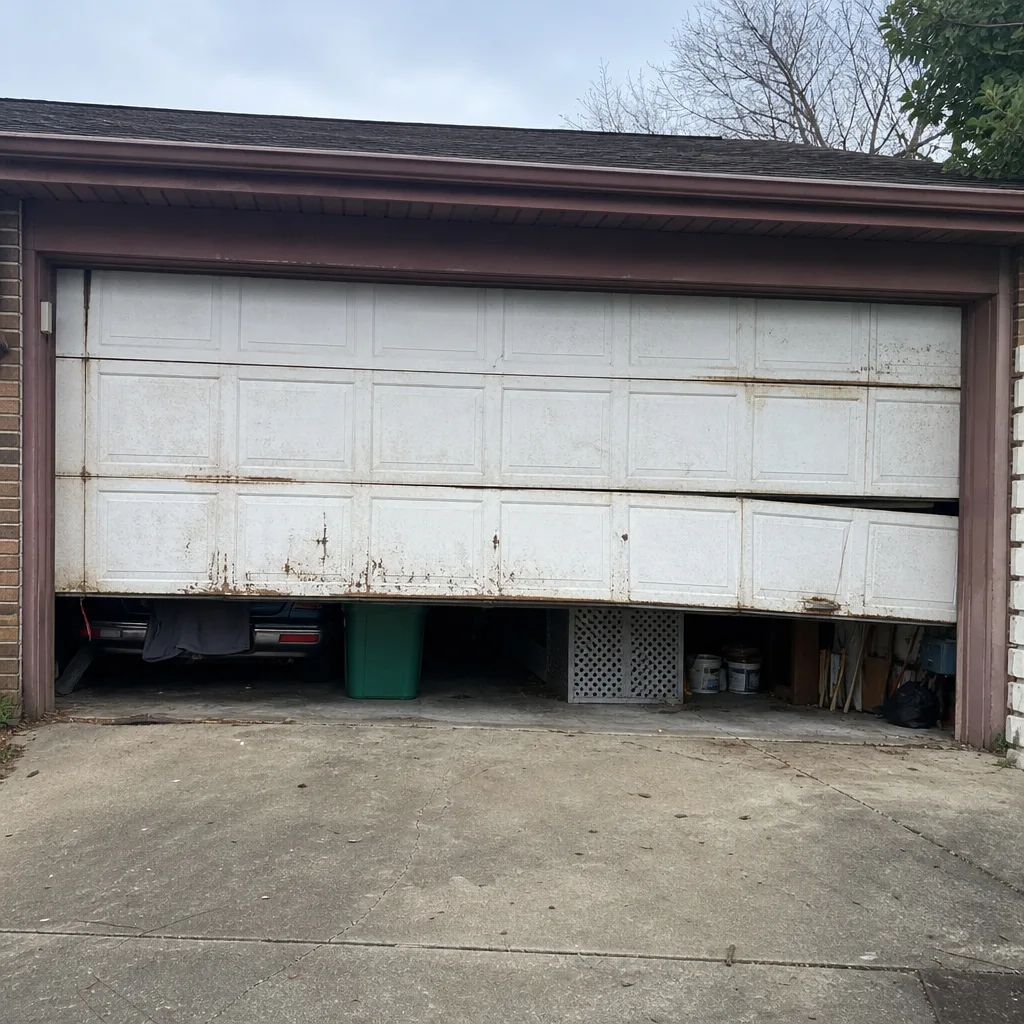 Before
 After
When to Call a Professional
Call a professional if the door has stopped moving, a spring has broken, a cable is frayed or kinked, or the door has become noticeably heavier to lift by hand. Call if the opener reverses without an obstruction, runs without moving the door, or throws a diagnostic LED pattern you can’t identify. Call if the door hesitates at top or bottom, if the balance test on a disconnected door shows it dropping fast, or if the door sits out of level. And call if a full door replacement is on the horizon; installation is measured, ordered, and scheduled rather than squeezed in. Annapolis Garage Door Repair offers free estimates in Annapolis, so the recommendation comes with a written price. Call (844) 976-0297. We answer 24/7. Fast dispatch from 7am to 7pm, Sunday through Friday.
Frequently Asked Questions
A sharp bang, followed by the door refusing to lift or lifting with obvious strain, is the loudest warning sign and usually means a torsion or extension spring has just failed. That sound is the spring releasing stored energy all at once. Stop operating the door and call for service; running it on a broken spring puts the remaining springs at double load. Call (844) 976-0297 for a free estimate.
No. Phantom reversals are frequently caused by the photo-eye sensors being misaligned or by direct sunlight hitting the receiving eye, which is common on west-facing doors in Annapolis during summer afternoons. If the sensor looks aligned and the reversal happens mid-travel, a spring-balance change or an opener fault is likely. Call (844) 976-0297 to diagnose it.
A broken spring shows a visible gap between coils or a clean break at one end, and the door typically won’t lift or lifts unevenly. Rust shows as streaking along the wire but the door still lifts. Rust means the spring is aging toward the end of its service life; a visible gap means it’s already failed. Don’t guess under load; call (844) 976-0297.
No. Torsion and extension springs hold enormous stored force, and cables are under constant tension. A spring that lets go during a homeowner repair can cause serious injury. The safe homeowner steps are inspection, the monthly disconnect test, and lubricating hinges; spring and cable work is a professional job. Call (844) 976-0297 for spring repair.
An LED blink pattern on a LiftMaster or Chamberlain unit is the opener’s own diagnostic report. The number of flashes before the pause points to a category like a wiring fault, a photo-eye fault, or a travel/limit fault. We diagnose those patterns by circuit board and drive type across LiftMaster, Chamberlain, Genie, and Craftsman, so one call gets you a real diagnosis. Call (844) 976-0297.
A winter squeal is usually a dry hinge or a roller bearing that’s stiffened in the cold. It’s early-stage, and a hinge lubricant or a roller replacement typically resolves it. Ignored, a seizing roller can score the track. If the squeal persists after a dust-off and a hinge check, call (844) 976-0297 for a free estimate.
Location of the fault decides it. Springs, openers, hardware, and panels can typically be repaired. A door that has bent panels, a rotted bottom section, or a fully out-of-plumb track may be better replaced. For a Clopay, Amarr, Wayne Dalton, or Raynor door, we can tell you whether a worn section is part of a model still in production. Call (844) 976-0297.
Yes, if your door is stuck, a spring has snapped, or your cars are trapped. Emergency garage door service is a standing offering. We answer 24/7. Fast dispatch from 7am to 7pm, Sunday through Friday. Call (844) 976-0297. Estimates are free and the price is quoted and agreed before any work starts.
No. The written estimate you receive is the price for the work described. If something else is found during diagnosis, you’ll see it in writing before we start. Nothing is performed before you agree to the estimate. Estimates are free. Call (844) 976-0297 for a quote.
The local professional we connect you with is licensed and insured as their state requires. We work on every major brand and component we’ve described here, including spring repair, opener diagnostics, and full installation. Call (844) 976-0297 for a free estimate.
The Bottom Line
Every garage door failure gives warning. The sound tells you which component, the visual tells on springs and cables tell you how close to the end you are, the movement tells you whether the balance or the opener is at fault, and the opener’s behavior tells you which circuit to test. Run the disconnect test monthly, read your springs each season, and treat a bang or a frayed cable as a stop condition. If a sign shows up that you can’t place, one call covers the whole system across LiftMaster, Chamberlain, Genie, Clopay, Amarr, Wayne Dalton, Craftsman, and Raynor. For a free estimate in Annapolis, call (844) 976-0297. We answer 24/7. Fast dispatch from 7am to 7pm, Sunday through Friday, closed Saturday.
Written by the team at Annapolis Garage Door Repair.