
Last updated November 23, 2026
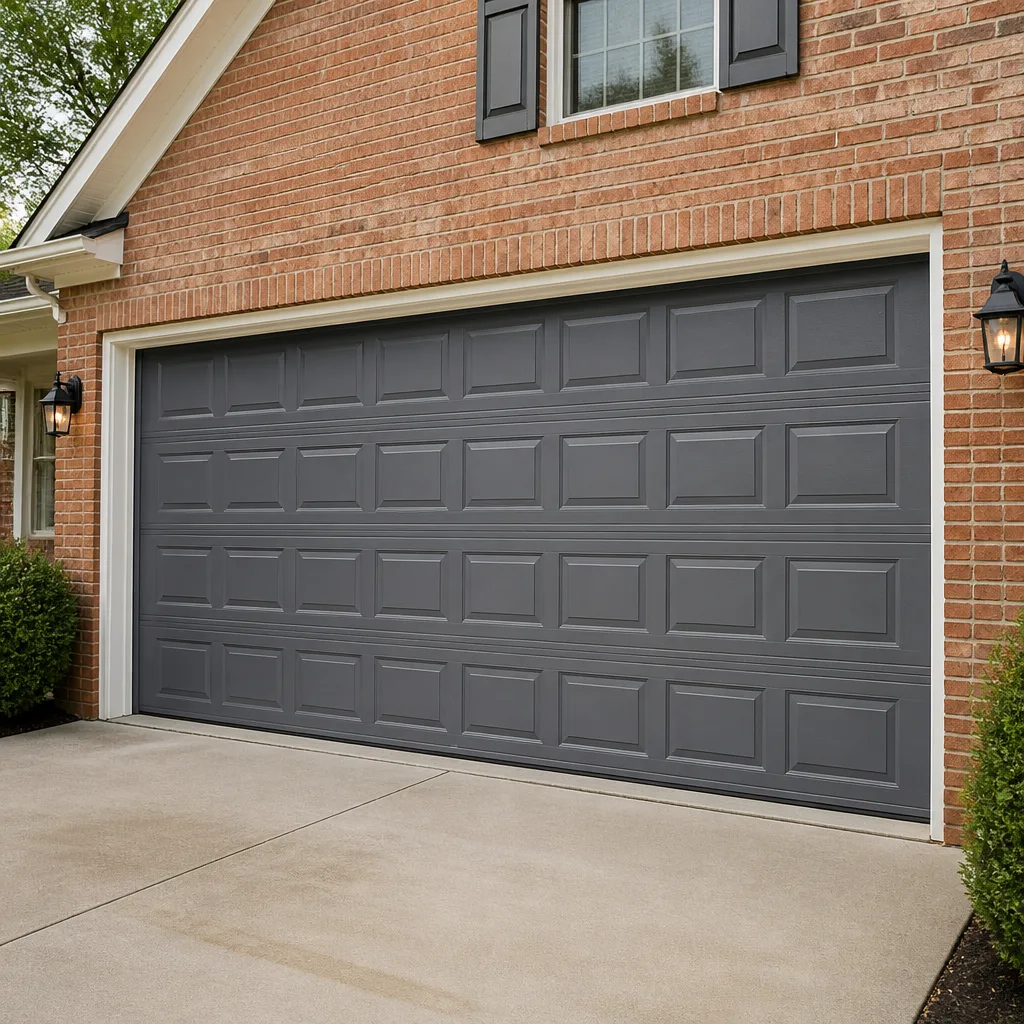 Raised-panel steel
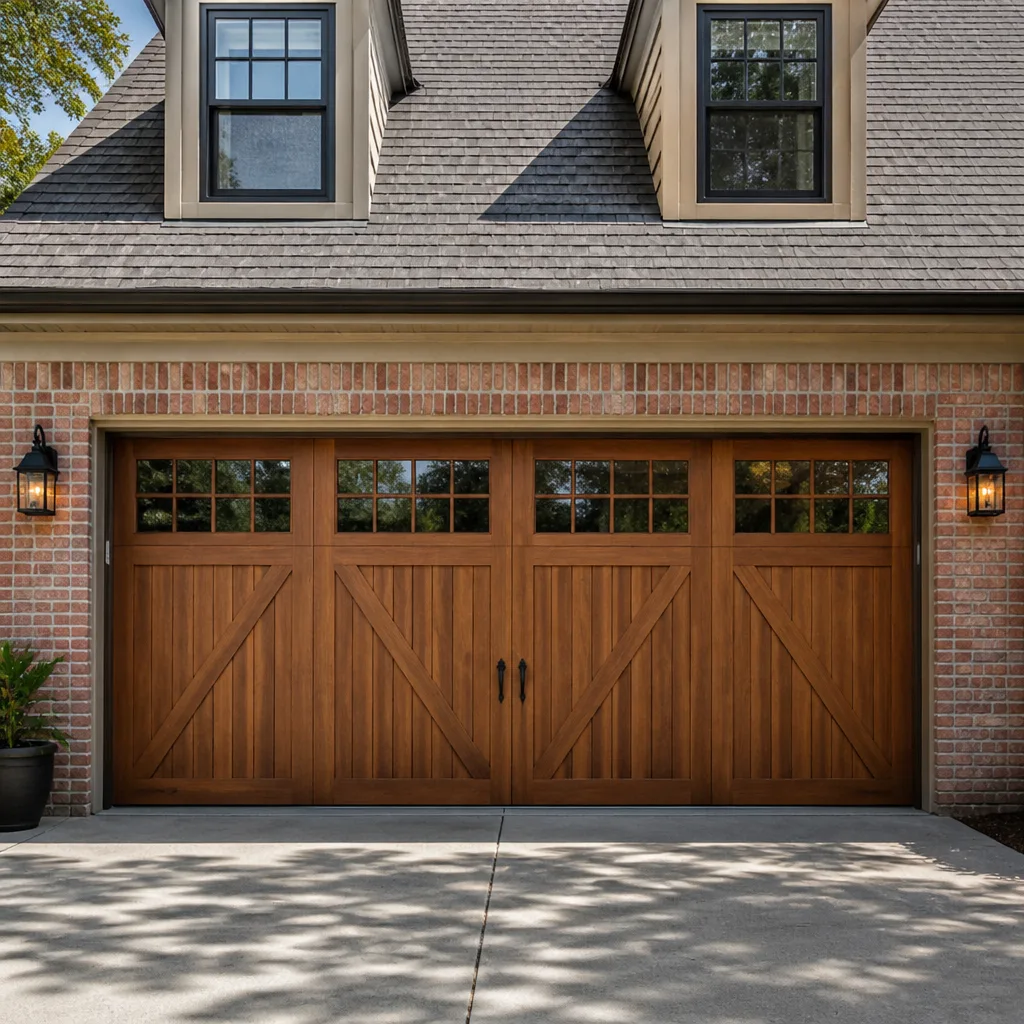 Carriage house
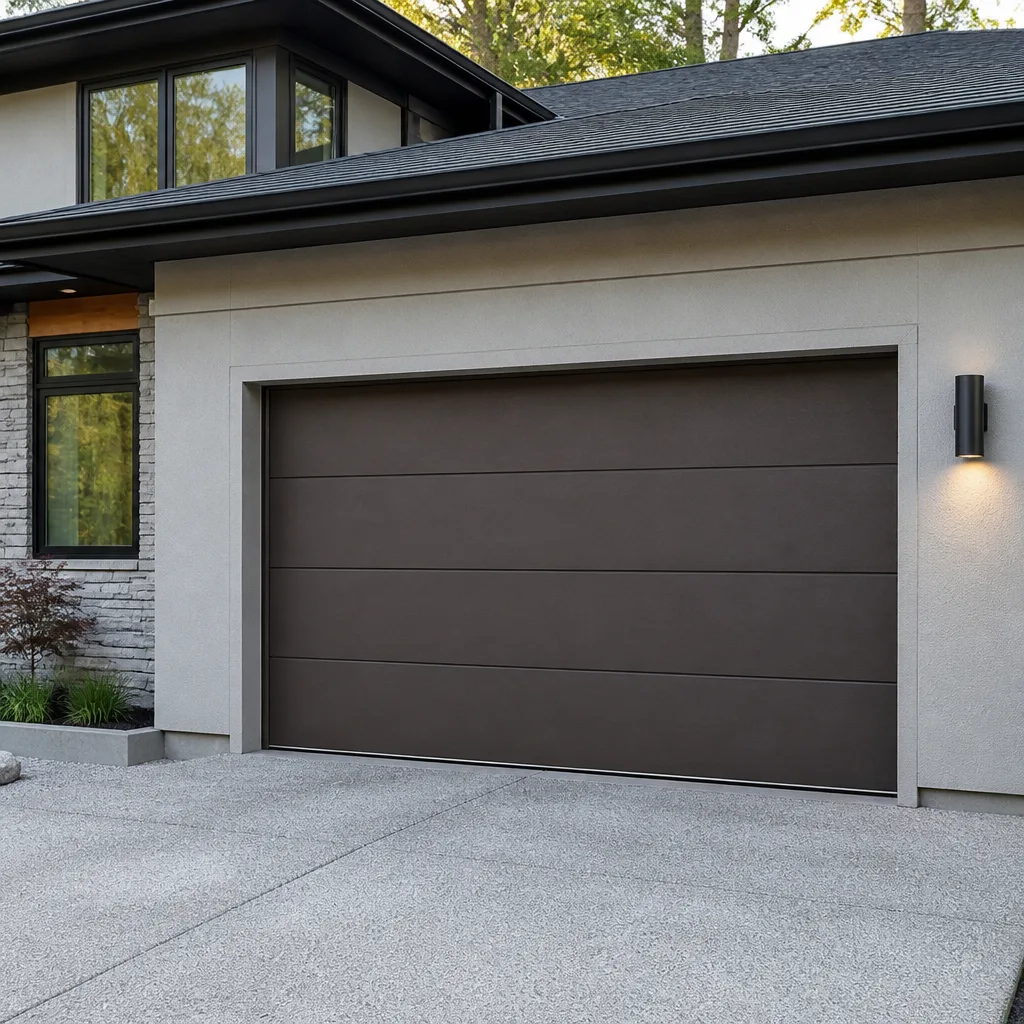 Modern flush
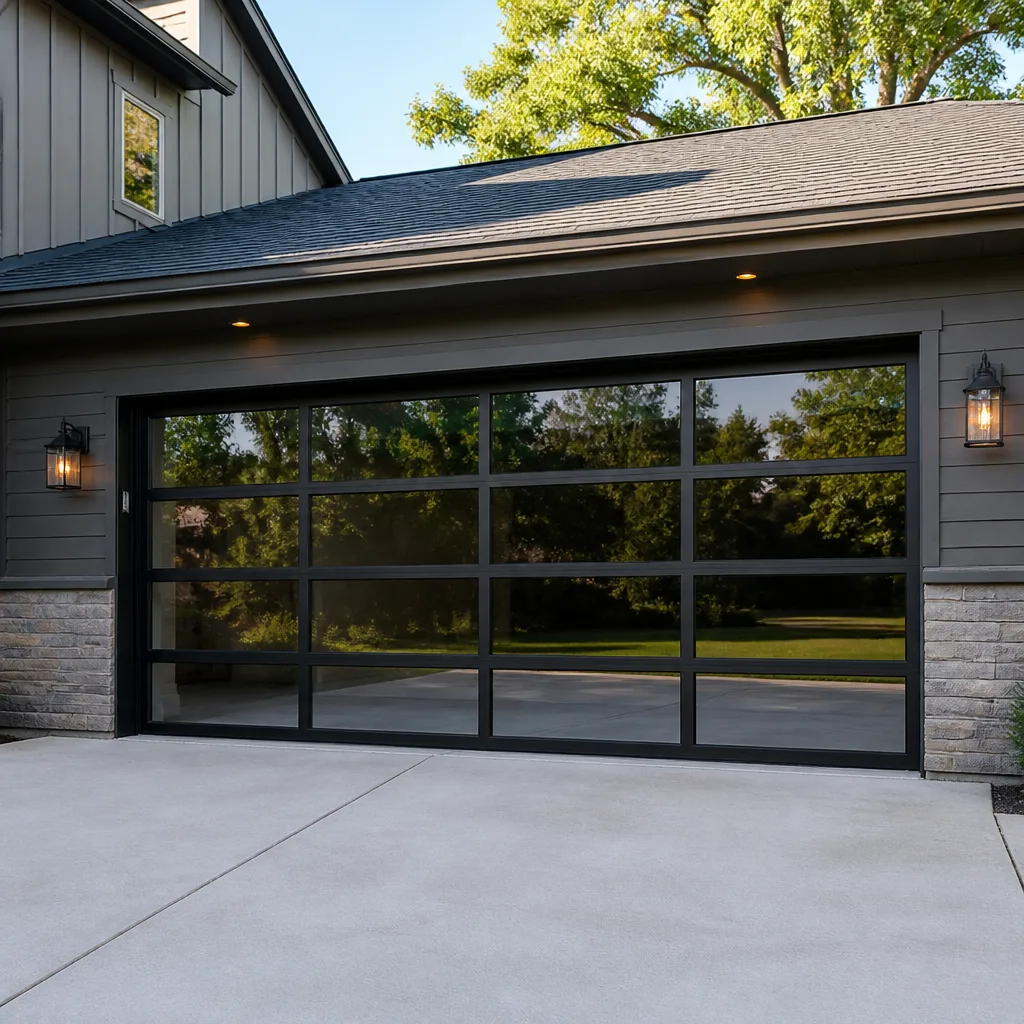 Full-view glass
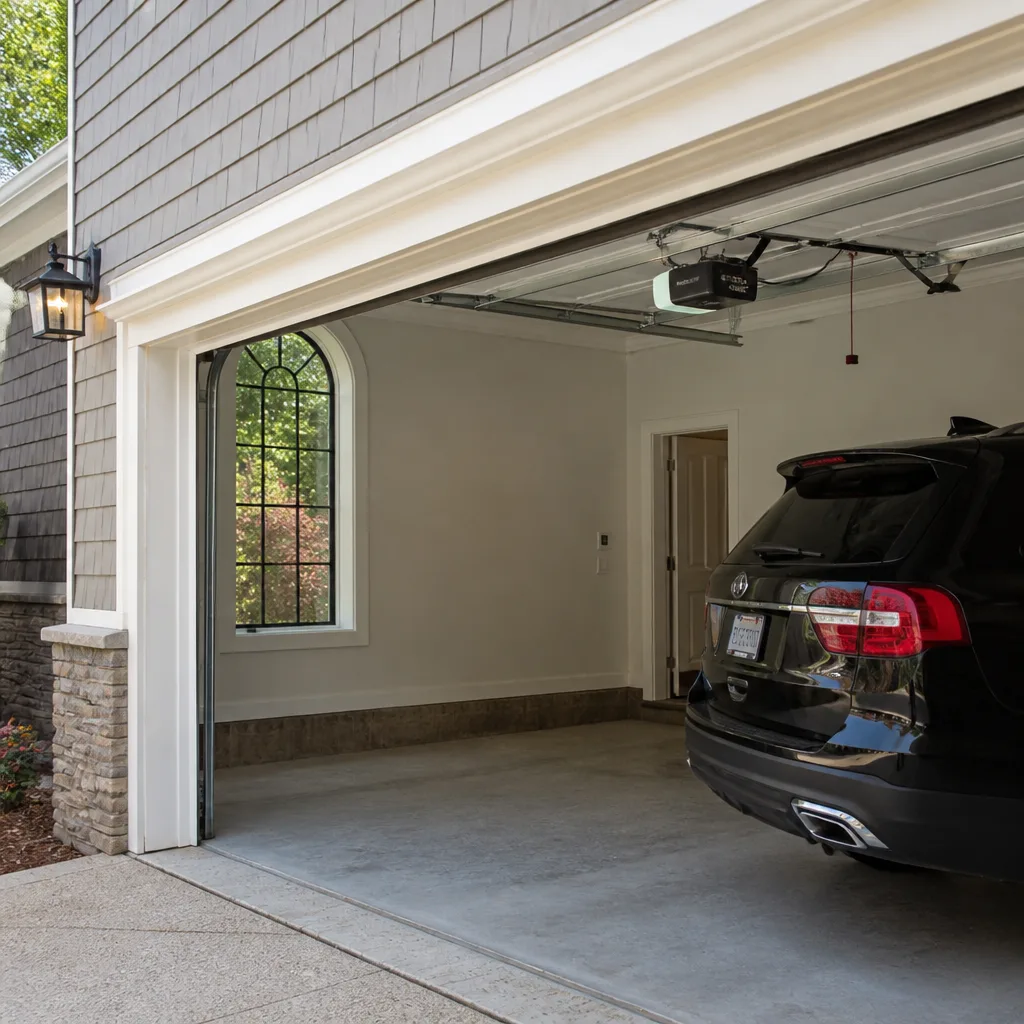 LiftMaster openers
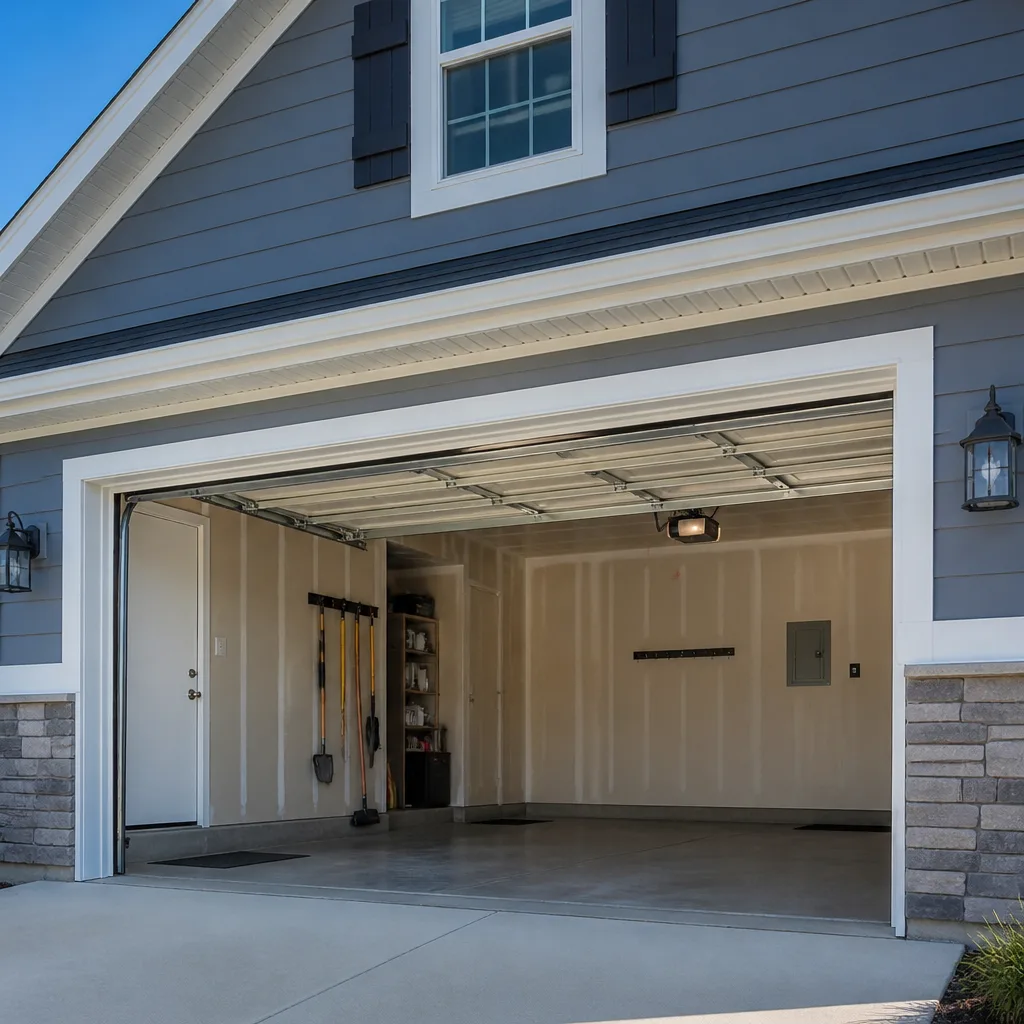 Chamberlain openers
Full 25-point door and opener safety check with every visit - springs, cables, rollers, tracks, and your LiftMaster or Chamberlain opener included
You get a price before we start. It does not change when the pro arrives.
Get your free estimateGarage Door Permits, Codes & Inspections in Annapolis, MD: What You Need to Know
Most homeowners assume a garage door is like a refrigerator: you swap it out and nobody from the city needs to know. That’s half true, and the half that’s wrong is the half that costs people money. A straight panel swap on an existing residential door usually doesn’t need a permit. Add a new header, widen the opening, or touch the structural framing around it, and you’re in permit territory. The tricky part is that most contractors won’t tell you which category you’re in, and many homeowners don’t find out until a sale inspection. This guide covers Anne Arundel County’s actual thresholds, what the Historic Annapolis overlay changes, how rough opening work gets inspected, and the realistic timeline for approval in Annapolis.
Quick Answer
In Annapolis and the rest of Anne Arundel County, replacing a garage door on the existing opening is generally treated as ordinary maintenance and doesn’t require a building permit. Any project that changes the rough opening, adds or resizes a header, alters structural framing, or changes the door’s footprint typically does require a building permit and inspection. Projects inside the Historic Annapolis overlay may also need design review for style, material, and color before install. When in doubt, call the Anne Arundel County Department of Inspections and Permits and ask directly.
Styles & brands we work with
- Raised-panel steel
- Carriage house
- Modern flush
- Full-view glass
- LiftMaster openers
- Chamberlain openers
Table of Contents
- Does Replacing a Garage Door in Annapolis Require a Permit?
- Anne Arundel County’s Permit Threshold: Maintenance vs. Alteration
- What a Rough Opening Change Triggers Under Maryland Residential Code
- Historic Annapolis Overlay Rules for Garage Doors
- How to Apply for a Garage Door Permit Through Anne Arundel County
- What Inspectors Actually Check
- How an Unpermitted Door Surfaces During a Home Sale
- Common Mistakes to Avoid
- Frequently Asked Questions
Does Replacing a Garage Door in Annapolis Require a Permit?
Usually no, and this is where the confusion starts. Straight replacement of a door within the existing opening on a single-family home in Annapolis is classified as maintenance, not construction. That’s the routine case: the same size door, the same track, the same framing, no cutting into the wall. No permit. No inspection. A crew can install it and leave.
The category shifts the moment the project stops being a door and becomes a structural change. If your installer has to open up the rough opening, sister in new framing, or cut back the header, you’re no longer doing maintenance. You’re altering a structural element of the building, and in Anne Arundel County that means a building permit.
Here’s the practical split we walk Annapolis homeowners through when they call to plan a replacement:
- No permit typically needed: same-size door swap, spring replacement, opener replacement, track realignment, panel replacement on an existing frame, weather seal replacement.
- Permit typically needed: widening or lowering the rough opening, raising the header, replacing a load-bearing header, adding a new garage door opening where none exists, converting a wall into a garage door, or changing the structural framing around the opening.
If you’re sitting on the fence between those two lists, the right move is a short phone call to the county, not a guess. The permit office will tell you which category your scope falls into based on the address and the proposed work.
Anne Arundel County’s Permit Threshold: Maintenance vs. Alteration
The threshold isn’t a magic dollar amount or a square-footage formula. It’s a scope question: does the work touch the structure, or does it only touch the door? That is how the county draws the line for residential garage work, and it’s the same logic that governs any other exterior opening on the house.
When we’re scoping a project in Annapolis, whether that’s in Murray Hill, Eastport, or out toward Bay Ridge, we sort the work before a single measurement gets taken. The categories are clean:
Ordinary maintenance (no permit)
You’re keeping the building as it is and swapping or repairing a component of the door system. The rough opening dimension stays the same, the header stays the same, the load path doesn’t change. This covers the vast majority of replacement calls.
Alteration (permit)
You’re changing the building, not just the door. The rough opening changes size, the header needs engineering, the framing that carries the opening is modified, or a new opening is cut into a wall that previously had none. Every one of those is an alteration in the eyes of the county, whether the change is 2 inches or 2 feet.
The grey zone
Panel replacement on existing hardware is maintenance. Replacing the whole door plus the track plus the springs is still maintenance if the opening doesn’t change. But if the installer discovers rot in the framing once the old door comes off and the fix involves structural repair, that shifts the job. We flag this before install so the homeowner isn’t surprised by a mid-project scope change and a permit application.
If you want the door work handled by people who sort that scope correctly before you sign anything, our garage door repair page lays out what’s routine and what isn’t. The permit question follows the scope, not the other way around.
What a Rough Opening Change Triggers Under Maryland Residential Code
The rough opening is the framed hole in the wall where the door sits. That single dimension drives the entire code conversation in Annapolis, and it’s the piece homeowners understand least. Change it and you’re not adjusting a door, you’re adjusting the structure that carries the load above your garage.
Maryland residential code treats the garage door opening as a structural element for a simple reason: the header spanning the top of that opening carries roof and wall load down into the jambs. When you widen the opening, you need a longer header. When you lower the opening, you add load above. When you raise it, you may change how the header bears. None of that is a door swap, and none of it gets done without an engineered or prescriptive header sized for the new span.
Here’s what an opening-modification project typically involves, and what the county will want to see:
- Header sizing for the new span. The structural member across the top has to carry the load the new opening creates. Smaller opening, easier. Larger opening, larger header, either from a prescriptive table or a design professional.
- Load path continuity. Load has to travel from the header, into the jamb studs, and down into the foundation without interruption. Inspectors look at how the jamb studs get fastened, not just their presence.
- Jack and king studs. The framing beside the opening has to be sized and connected so it resists wind and door weight. A garage door in Annapolis gets real wind pressure, especially on the more exposed lots.
- Header attachment. Nail schedule, hangers, and straps matter. An under-fastened header is the most common reason a rough framing inspection fails.
- Flashing and weather management. Water has to shed from the new opening the same way it did from the old one, or you’ll find the failure inside the wall in a couple of seasons.
If the plan involves a bigger opening, the right sequence is design, permit, framing inspection, then the door goes in. Not the other way around. The inspectors will look at the framing under the finished wall and door, so the door has to wait for sign-off on the structure.
Historic Annapolis Overlay Rules for Garage Doors
Annapolis has more historic building stock than most small cities, and the downtown core sits inside a local historic overlay. If your house is in that district, the permit question is only half of the approval process. The other half is design review, and it looks at what your door looks like, not just how it’s built.
The overlay is administered with the Historic Annapolis Foundation playing a lead role in design review, alongside the city’s historic preservation apparatus. In practical terms, this is what it means for a garage door project inside the district:
- Door style is reviewed. Panel configuration, window layout, and the general visual character of the door are considered against the surrounding building stock. A modern full-view aluminum door on a colonial carriage house is going to get pushback.
- Material matters. Steel can pass in many cases, but the finish and profile have to read correctly. Wood is often the path of least resistance in the oldest blocks. Composite and wood-look steel are evaluated case by case.
- Color is reviewed. Historic overlays in Annapolis tend to favor muted, period-appropriate tones. Bright white, saturated colors, or metallic finishes can require a conversation.
- Hardware and trim. Strap hinges, handles, and exterior casing are all part of what the reviewer sees. Intentional carriage-house detailing helps; aftermarket plastic hardware applied to a modern raised-panel door doesn’t.
- Visible from the street. The strictest review lands on doors visible from the public right of way. A door facing an alley or set far back from the street gets more latitude than one facing the sidewalk.
For homeowners in neighborhoods like Murray Hill, Acton’s Landing, or the blocks off Maryland Avenue, we recommend starting the design review conversation before ordering anything. Getting a proper carriage-style Clopay or Amarr door approved is a normal process. Getting a door on the truck and then discovering it doesn’t meet review is a much more painful one.
How to Apply for a Garage Door Permit Through Anne Arundel County
Permit applications go through Anne Arundel County’s Department of Inspections and Permits, and the county has moved most of the filing online through its permitting portal. The process is straightforward if you know what documents come with the application. It’s slow if you don’t.
Here’s the practical sequence:
- Confirm the scope with the county. Call the permit office with the address and proposed work. They’ll tell you whether your project is classified as maintenance or as an alteration. Get this in writing if you can.
- Confirm historic district status. If the property is in the Historic Annapolis overlay, design review comes first. The county permit won’t move forward cleanly without the historic review sign-off.
- Prepare the submittal package. A typical opening-modification permit needs a scope description, a site plan or sketch showing the door location and dimensions, framing details for the header and jamb, and the manufacturer’s spec sheet for the door being installed.
- File through the county portal. The application, drawings, and supporting documents go in together. Incomplete applications get returned, which restarts the clock.
- Pay the fee and wait for review. Plan review timelines depend on the county’s current queue and the complexity of the structural work. Simple alterations tend to move faster than anything touching load-bearing framing.
- Schedule the rough framing inspection. This happens before the door goes on. The inspector looks at the framing, header, and fasteners.
- Final inspection after install. Once the door, hardware, and weather sealing are complete, the final inspection closes the permit.
Realistically, plan a couple of weeks at minimum for the simplest alteration, and longer if a design professional has to produce header calculations or if historic review is involved. Treat the timeline as a real constraint when you’re sequencing the install, not as a formality. The one project type that doesn’t need any of this is a straight replacement of the existing door on the existing opening, and that’s the vast majority of installations in Annapolis.
What Inspectors Actually Check
The inspection is where the paperwork gets tested against the physical work, and this is where permit-required projects succeed or fail. Inspectors aren’t looking at your door brand. They’re looking at the structure and the safety attachments.
- Framing adequacy. Header size against span, jack studs in place, king studs sized correctly. Inspectors will read the framing like a diagram and check it matches the approved plan.
- Fastening. Nail schedule and hanger connections. A structurally adequate header with the wrong fastening pattern still fails.
- Load path. Any interruption between the header and the foundation is a flag. This is where creative framing shortcuts get caught.
- Fire separation wall. The wall between a garage and the living space is required to hold a fire separation. Any penetration from the garage side needs to be properly sealed. This is separate from the door code conversation, but it comes up during the same inspection sequence.
- Door attachment. Track brackets, spring anchor plates, and the torsion bar attachment all need to be bolted and anchored into structure, not just into drywall or thin framing.
- Safety devices. If the door is powered, the opener’s safety reversing system and the spring assembly have to be in proper working order before final sign-off.
- Weather and flashing. Proper sill and header flashing at the opening.
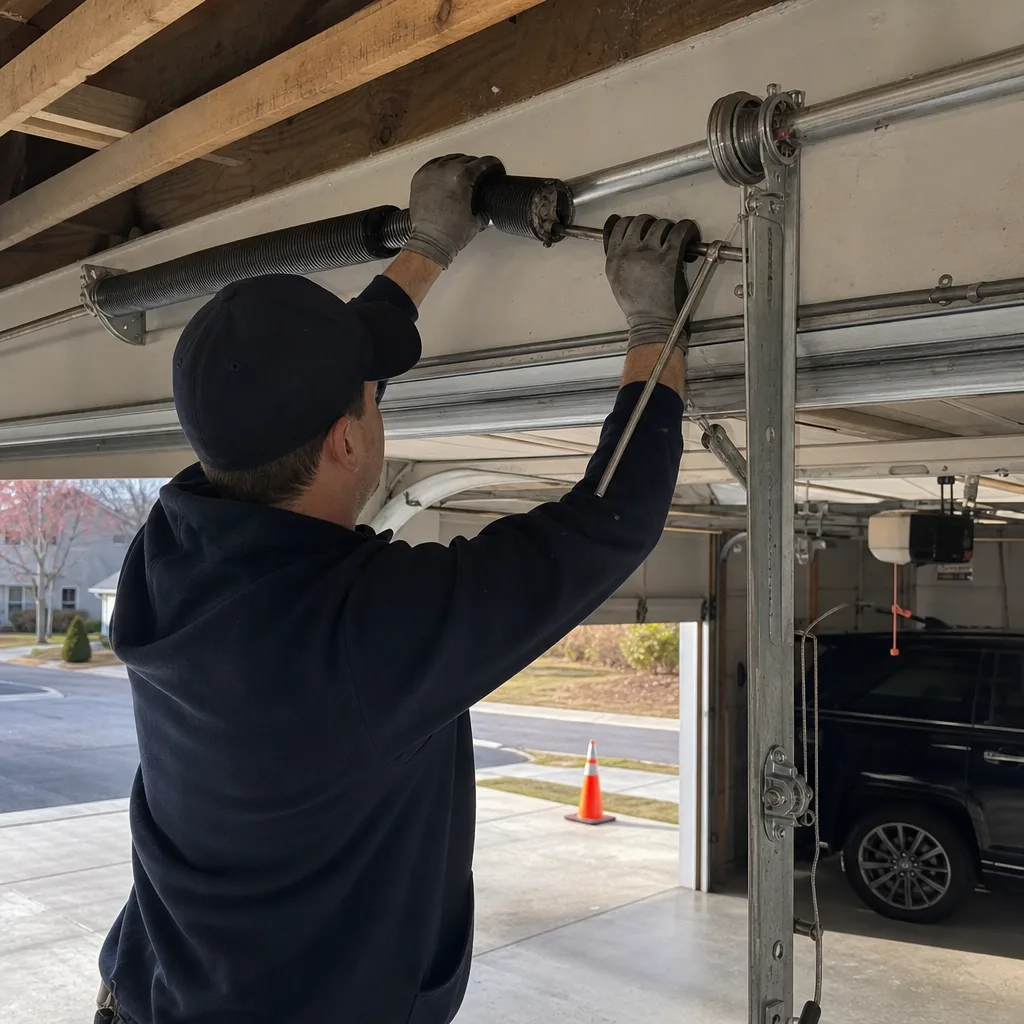
Springs and torsion assemblies are the part of this work that genuinely risks injury if handled without training. A loaded torsion spring carries enough stored energy to break bones. If your install involves a new spring assembly or a full rebuild, that’s not a homeowner task. Our garage door spring repair page explains why we treat that work as safety-critical, and it’s why we won’t skip the professional handoff even when the rest of the job is a simple swap.
How an Unpermitted Door Surfaces During a Home Sale
An unpermitted alteration on a garage door is invisible right up until it isn’t. The place it almost always surfaces is a home sale, and once a buyer’s inspector or agent notices it, the seller is now negotiating from a weaker position.
Here’s how the discovery usually goes:
- A buyer’s home inspector notes that the garage opening dimensions look different from the property record, or the door type doesn’t match the listing photos of a previous sale.
- The buyer’s agent pulls the permit history for the property and finds no permit for the alteration.
- The lender’s appraisal may flag a structural change with no documentation.
- Closing gets paused while the seller tries to retroactively permit or remediate the work.
Remediation isn’t cheap or fast. Depending on the scope, it can mean exposing framing behind finished walls so an inspector can see it, paying for plan review on work that’s already built, or in the worst cases, partially tearing out and rebuilding to compliant dimensions. Real estate attorneys and title professionals run into this regularly in Annapolis, and the outcome is always easier when the seller produced a permit and final inspection report at the listing stage.
If you’re buying a home with a garage in Annapolis, ask for the permit history on any garage door change that isn’t obviously a same-size replacement. If it’s not there, price the remediation into your offer. If you’re selling, pull the permit history first so you’re not the one explaining something at the closing table.
See the difference
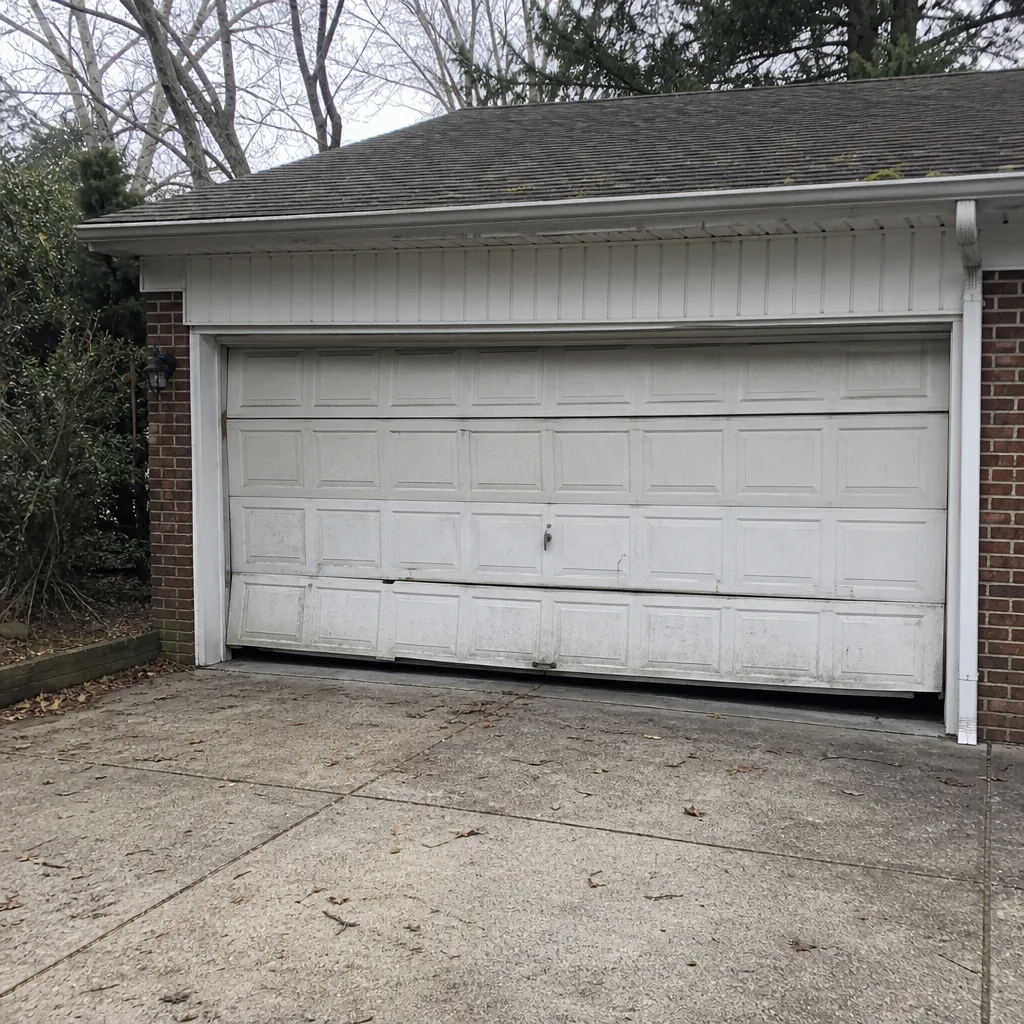 Before
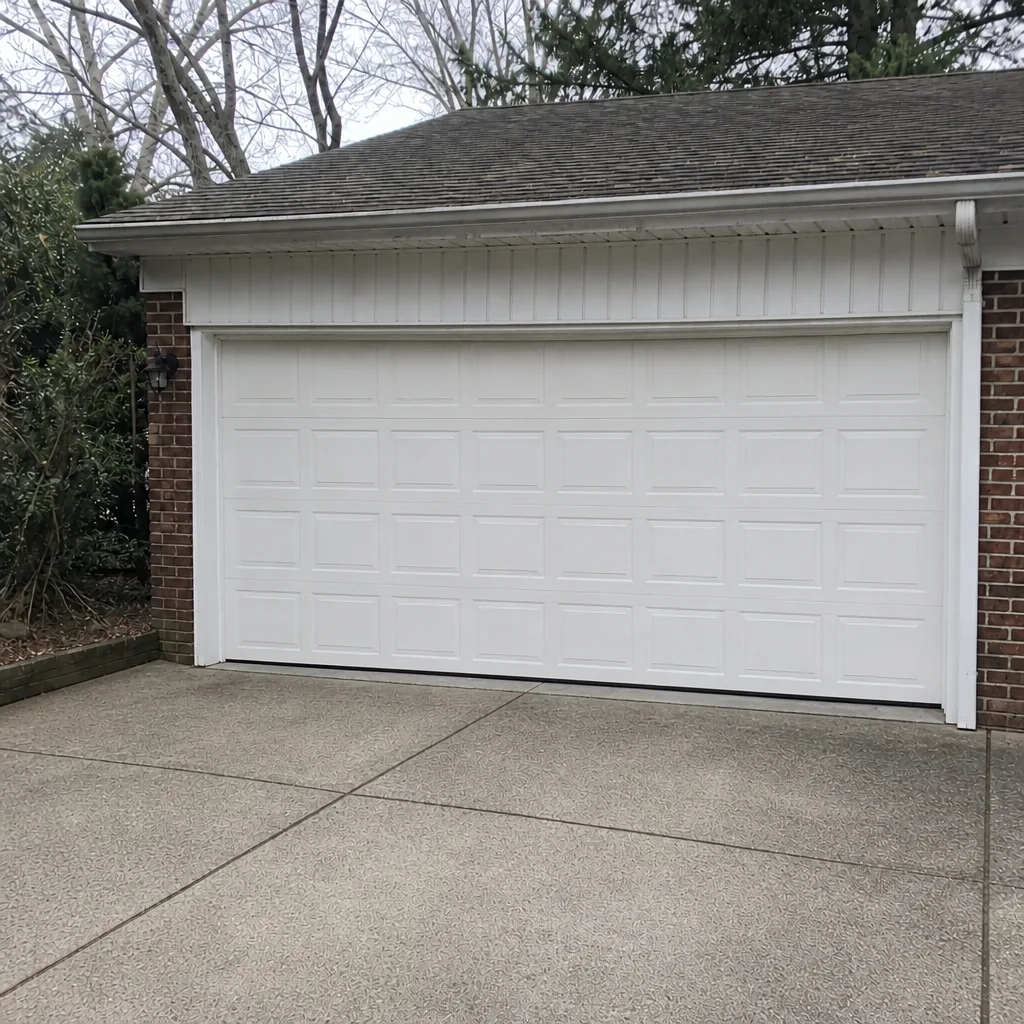 After
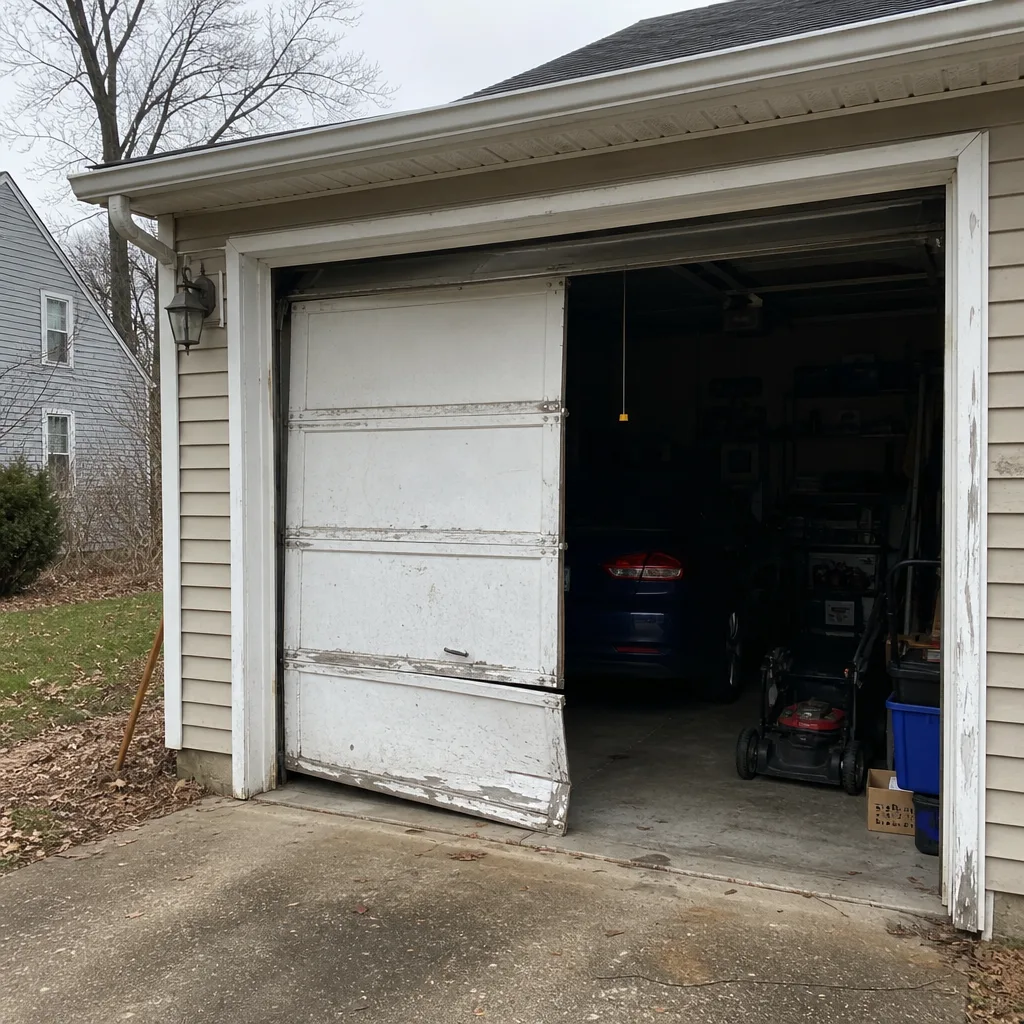 Before
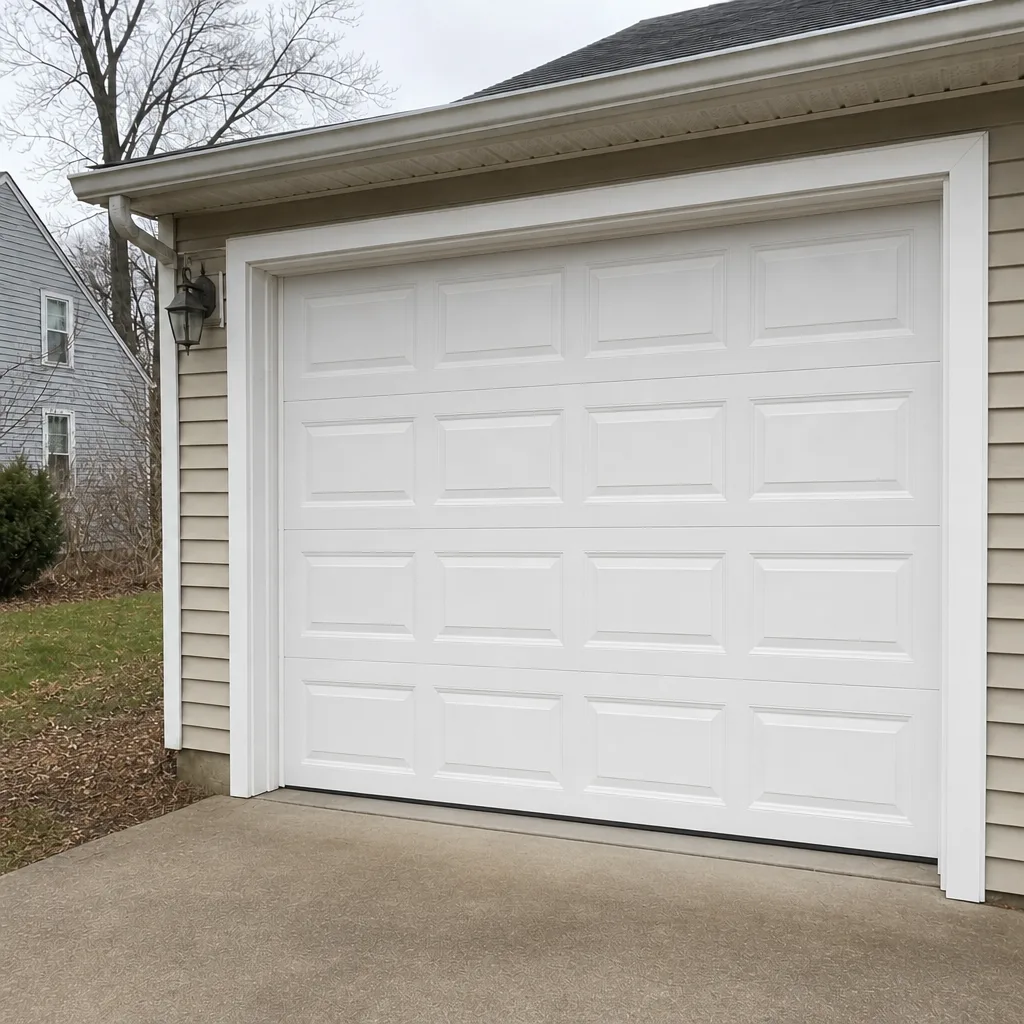 After
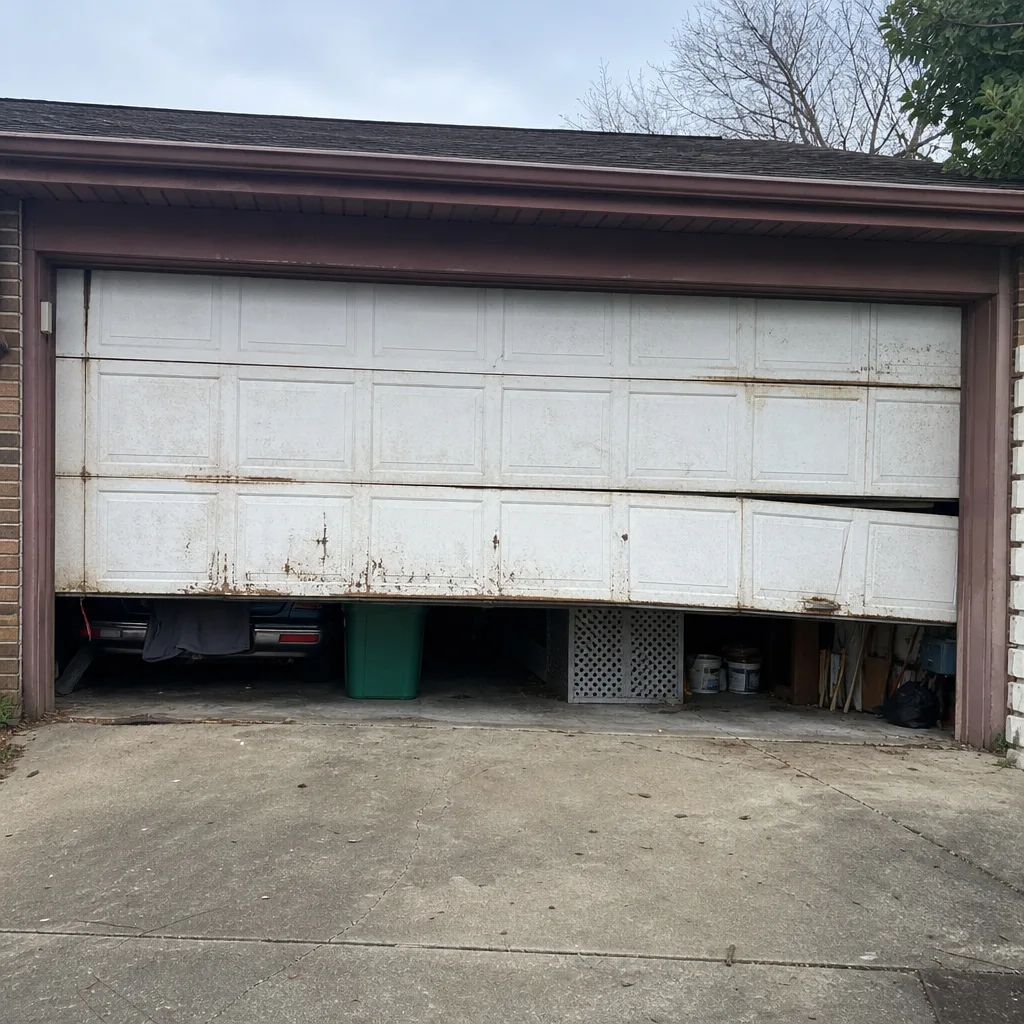 Before
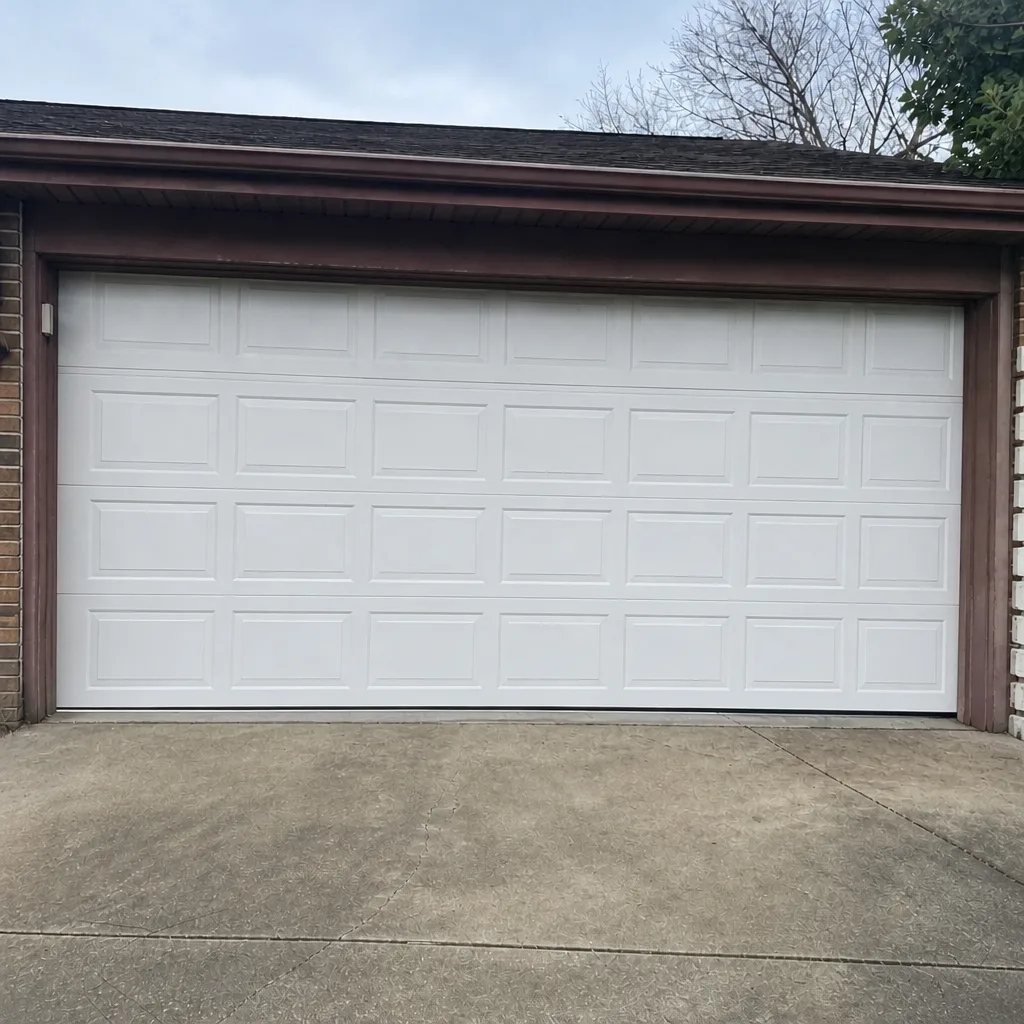 After
Common Mistakes to Avoid
- Assuming all door replacement is permit-free. Same-size replacement usually is. Any change to the rough opening is not. The category follows the scope, not the door type.
- Ordering the door before historic review inside the Annapolis overlay. Once the door is built to spec and on the way, a design review rejection leaves you with a door you can’t install and a restocking headache.
- Filing the permit without a drawing of the framing. The county wants to see how the header and jamb are sized. A scope description alone gets the application returned.
- Skipping the rough framing inspection. Once the door and trim are up, the framing is buried. Have the inspector see the framing before the door goes on, not after.
- Trusting an installer who says “we’ll handle the permit later.” Retrofitting a permit onto work that’s already complete costs more and often requires opening finished surfaces.
- Forgetting the fire separation wall. Any new penetration from the garage side into the house has to be sealed correctly. Inspectors look at it.
- Going with a door brand your installer doesn’t actually work on. We work on Clopay and Amarr on the door hardware side, and LiftMaster, Chamberlain, garage door opener repair, Genie, and Craftsman on the operator side. If a company only knows one brand, they’ll steer you toward it whether or not it fits your house.
When to Call a Professional
Some of this guide is you-and-the-city business. A permit application, a call to the historic review authority, a conversation with the county permit office about scope. That’s the paperwork side, and you can absolutely handle it.
The work itself is where it gets heavier. If your project touches the rough opening, header, or framing at all, the install involves structural elements and a permit-required inspection. If it involves a new torsion spring assembly, the safety dimension alone should end the DIY conversation. If the opener is part of the job and you’re on a LiftMaster, Chamberlain, Genie, or Craftsman system, getting the wiring and safety reversing setup right matters for the inspection pass. If the door is completely locked and nonfunctional right now, that’s a different call entirely, and emergency service is a real service line, not a vague promise.
Whether it’s an opener fault, a broken spring, a full replacement, or time for a new door with a permit attached, one call covers the whole system. Annapolis Garage Door Repair offers free estimates in Annapolis: call (844) 976-0297. We answer 24/7. Fast dispatch from 7am to 7pm, Sunday through Friday. Our technicians have up to 10 years of experience, and the written estimate sets the price before any work starts.
Frequently Asked Questions
Usually not. Replacing a door on the existing opening is treated as ordinary maintenance and typically doesn’t require a permit in Anne Arundel County. Any project that changes the rough opening, adds or resizes a header, or modifies structural framing requires a building permit. Call the county permit office with your exact scope if you’re unsure, and call (844) 976-0297 for a free estimate on the door work itself.
Yes, if your property sits inside the local historic district. Design review typically looks at the door’s style, material, color, and hardware, and it’s a separate step from the building permit. Get the design review conversation started before ordering a door. We work on period-appropriate Clopay and Amarr options that pass review in most cases. Call (844) 976-0297 to talk scope.
A couple of weeks at minimum for simple alterations, and longer if the project involves structural calculations or historic review. Simple maintenance-level replacements skip the process entirely. Plan the timeline as a real constraint on the install, not an afterthought. If you’re sequencing a project now, call (844) 976-0297 and we’ll help you sort out what’s permit-required before ordering anything.
The most common consequence shows up at resale. A buyer’s home inspector, the buyer’s agent pulling permit history, or a lender’s appraiser can flag the unpermitted alteration, and remediation means retroactive permitting or partial tear-out. Some owners also get flagged during routine municipal inspections. Save yourself the headache and permit anything structural before the door goes on. Call (844) 976-0297 for a scope review first.
It can, or it can force a price concession. Title and real estate attorneys routinely catch unpermitted structural alterations during a transaction, and the seller ends up either filing the permit retroactively or negotiating the cost into the close. Pull the permit history on any garage door change before listing or buying. Call (844) 976-0297 if you need the door scope sorted before the inspection.
The permit filing is the property owner’s responsibility, though the scope information we provide (door dimensions, framing details, manufacturer spec sheets) is what the application needs. Historic review is a separate coordination step. The door and opener work is ours. We answer 24/7 and dispatch Sunday through Friday, 7am to 7pm. Call (844) 976-0297 for a free estimate and a written scope you can put in front of the county.
The Bottom Line
Most garage door work in Annapolis doesn’t require a permit, and most homeowners don’t need to think about the process at all. The door swap on your existing opening is maintenance. The project stops being maintenance the moment it becomes structural: new rough opening, new header, modified framing, or a new opening cut into a wall. Inside the Historic Annapolis overlay, design review sits on top of the permit and involves style, material, and color. If you’re doing anything in the alteration category, pull the permit, schedule the framing inspection before the door goes on, and close it with a final. Do that, and the door is a door, not a problem waiting to surface during a sale. Whether it’s a simple panel replacement or a full project with a permit attached, our Annapolis Garage Door Repair page is where most homeowners start. Call (844) 976-0297 for a free estimate, and we’ll walk the scope with you before anything gets ordered.
Written by the team at Annapolis Garage Door Repair.