
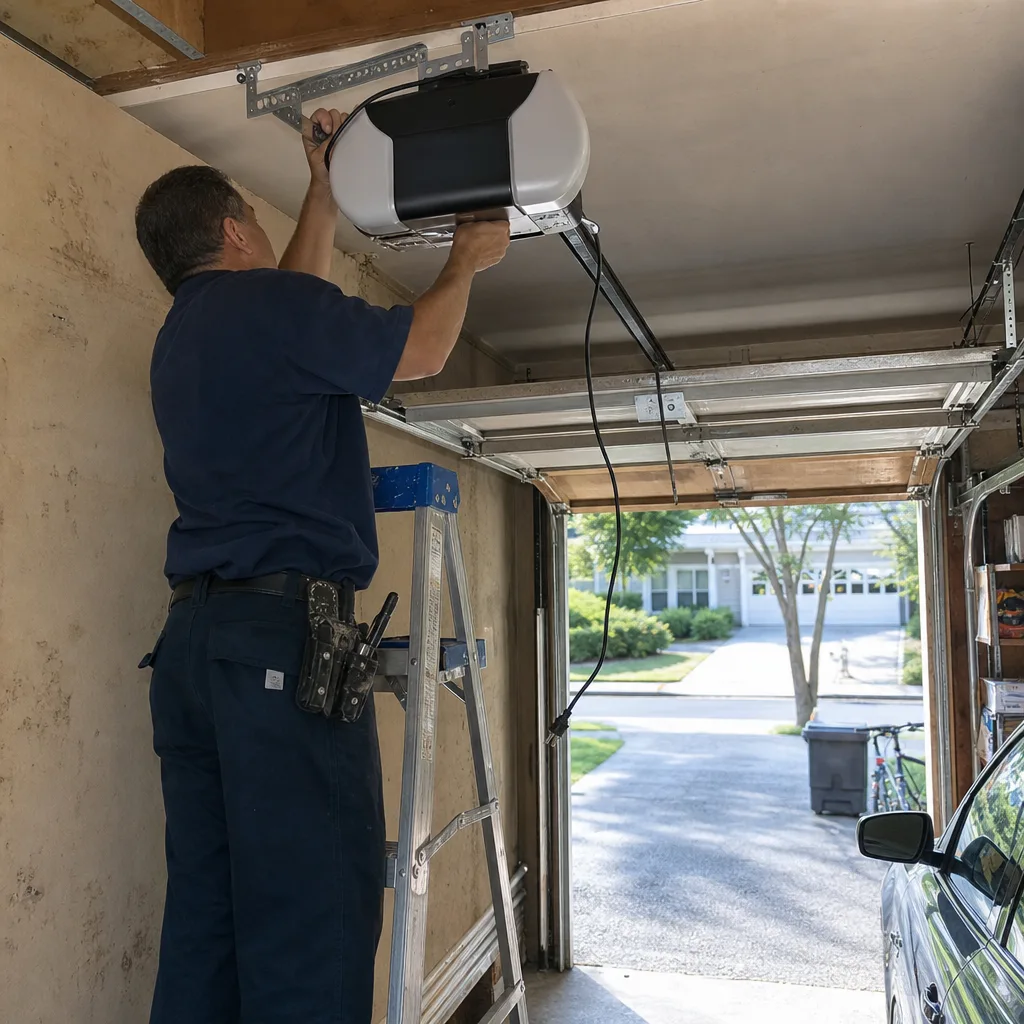
Last updated November 23, 2026
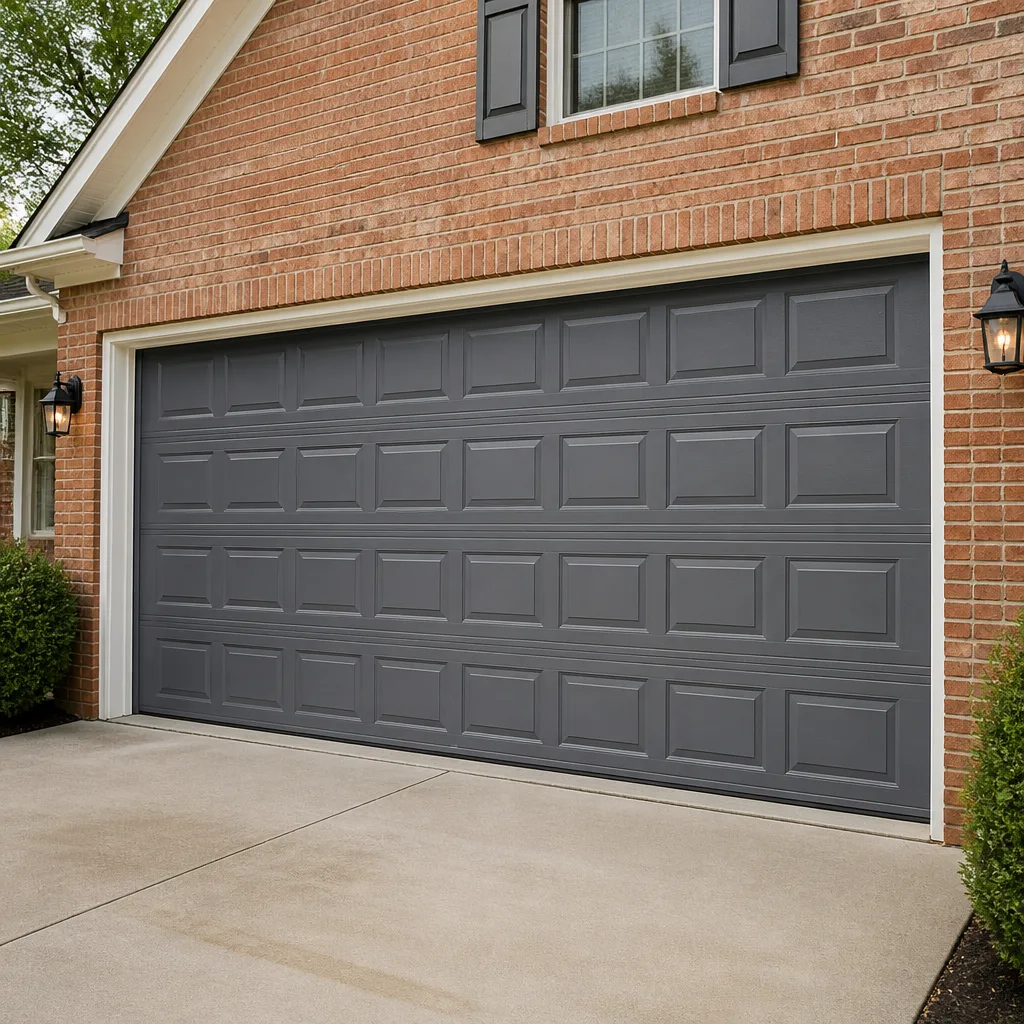 Raised-panel steel
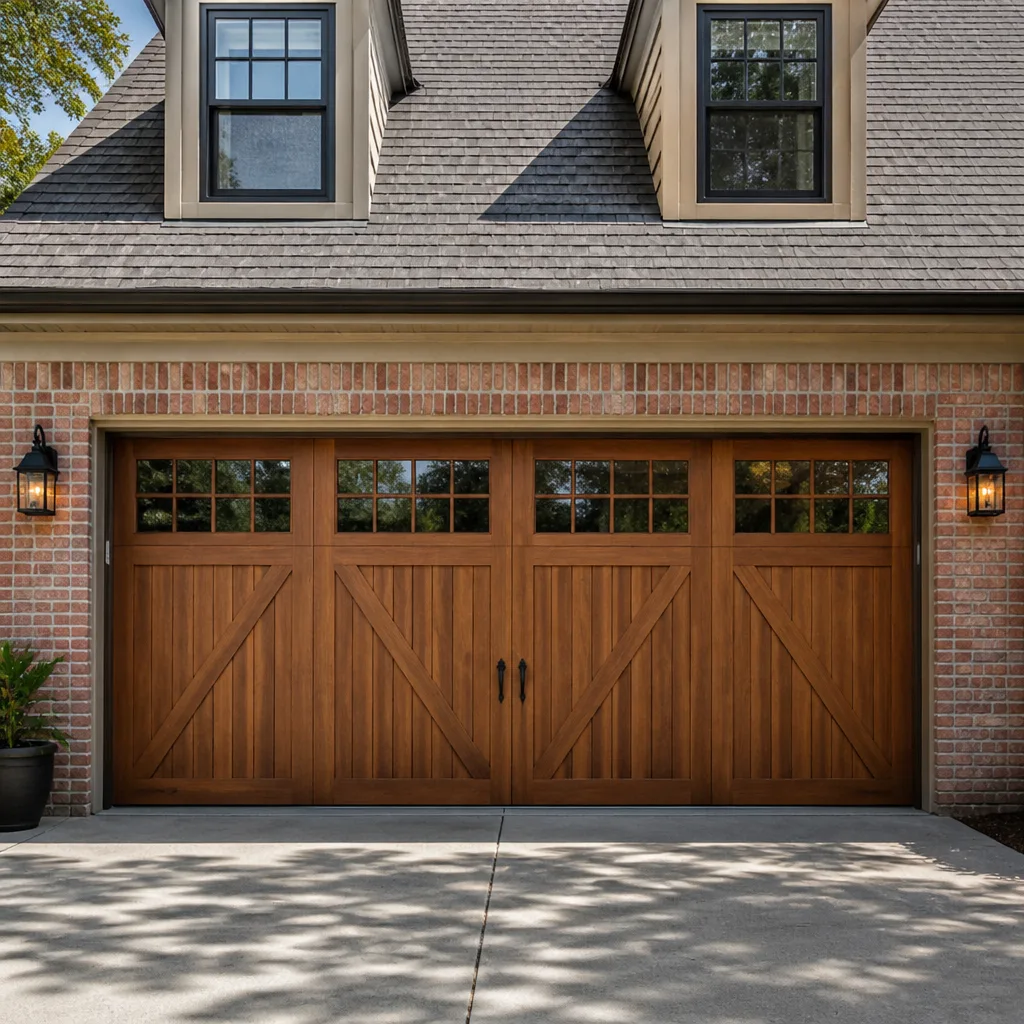 Carriage house
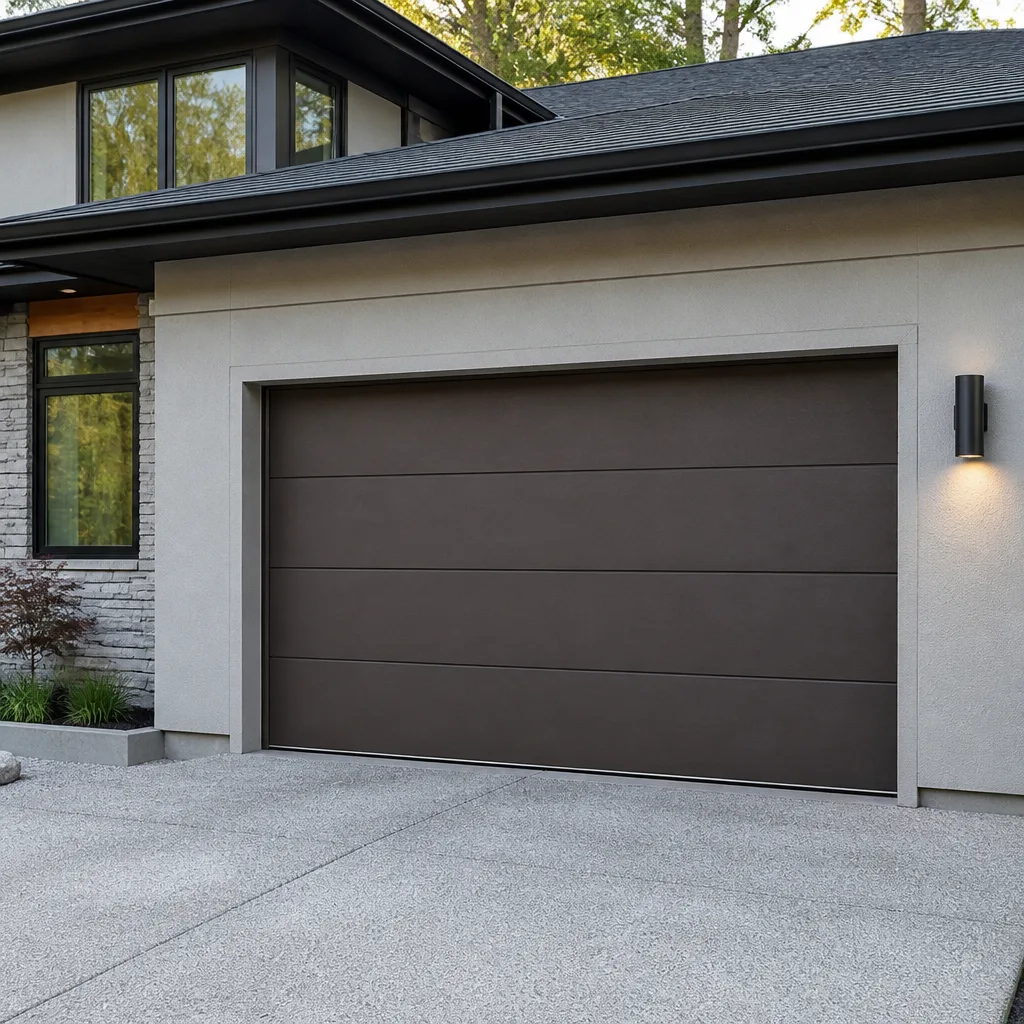 Modern flush
 Full-view glass
 LiftMaster openers
 Chamberlain openers
Full 25-point door and opener safety check with every visit - springs, cables, rollers, tracks, and your LiftMaster or Chamberlain opener included
You get a price before we start. It does not change when the pro arrives.
Get your free estimateGarage Door Cost Breakdown: The Annapolis Homeowner’s Reference for 2026
The national average for a torsion spring replacement is quoted at $150 – $350. Here in Annapolis in 2026, plan on $195 – $420 for a single spring. And if a quote comes in under $160, ask what cycle rating you’re getting, because that is usually where the savings are hiding. National cost pages ignore the things that actually move the number here: what local labor runs, what the humidity off the Severn does to steel hardware, and what a 1990s build in Annapolis tends to have hanging over the car. This guide gives you component-level ranges for Annapolis, tells you what drives quote variance between contractors, and explains when a repair stops making sense and a full replacement starts to. Use it to read a quote intelligently before you sign one.
Quick Answer
Garage door work in Annapolis in 2026 runs roughly $95 – $250 for a handyman-tier repair like rollers or a bottom seal, $195 – $420 for a single torsion spring, $350 – $700 for a new opener installed, and $1,200 – $2,800 for a full door replacement depending on size, material and insulation. The written estimate sets the final price, and a free measure is how that estimate gets built.
Styles & brands we work with
- Raised-panel steel
- Carriage house
- Modern flush
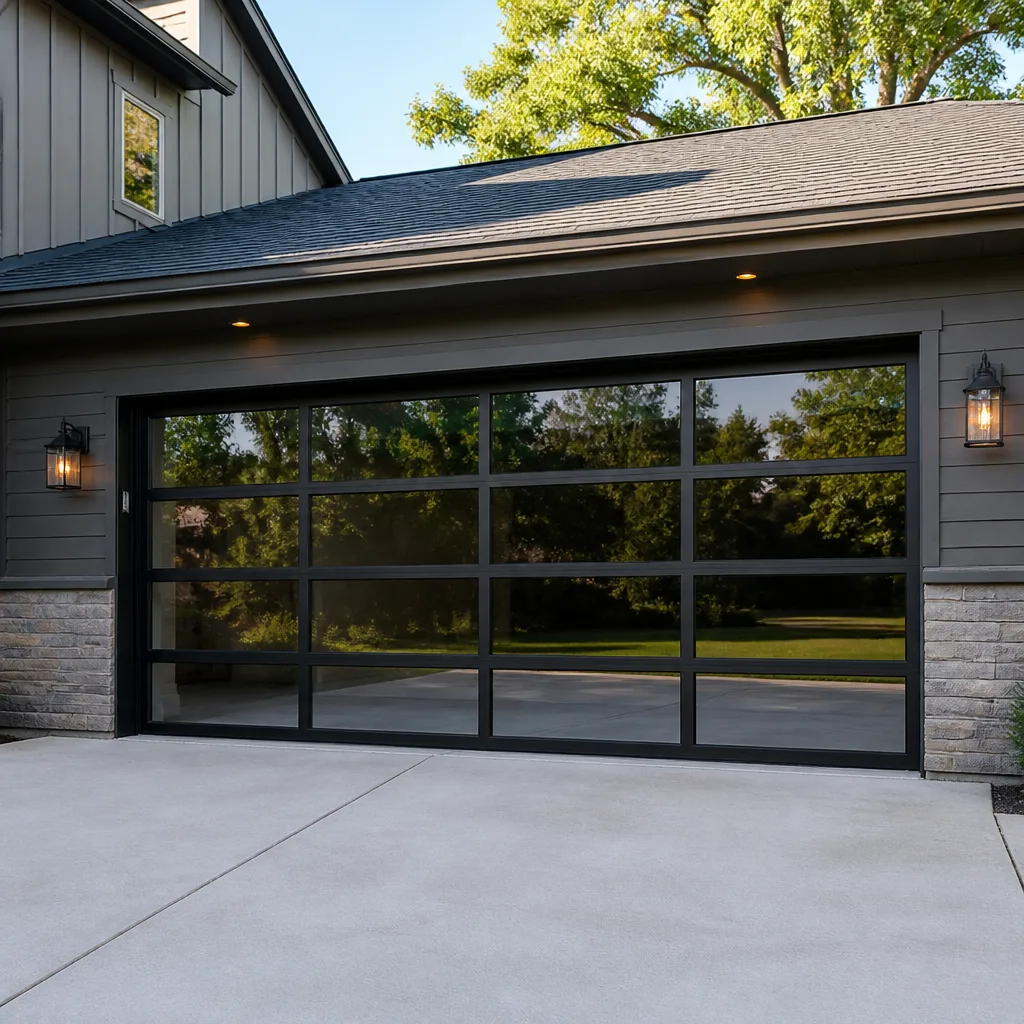
- Full-view glass
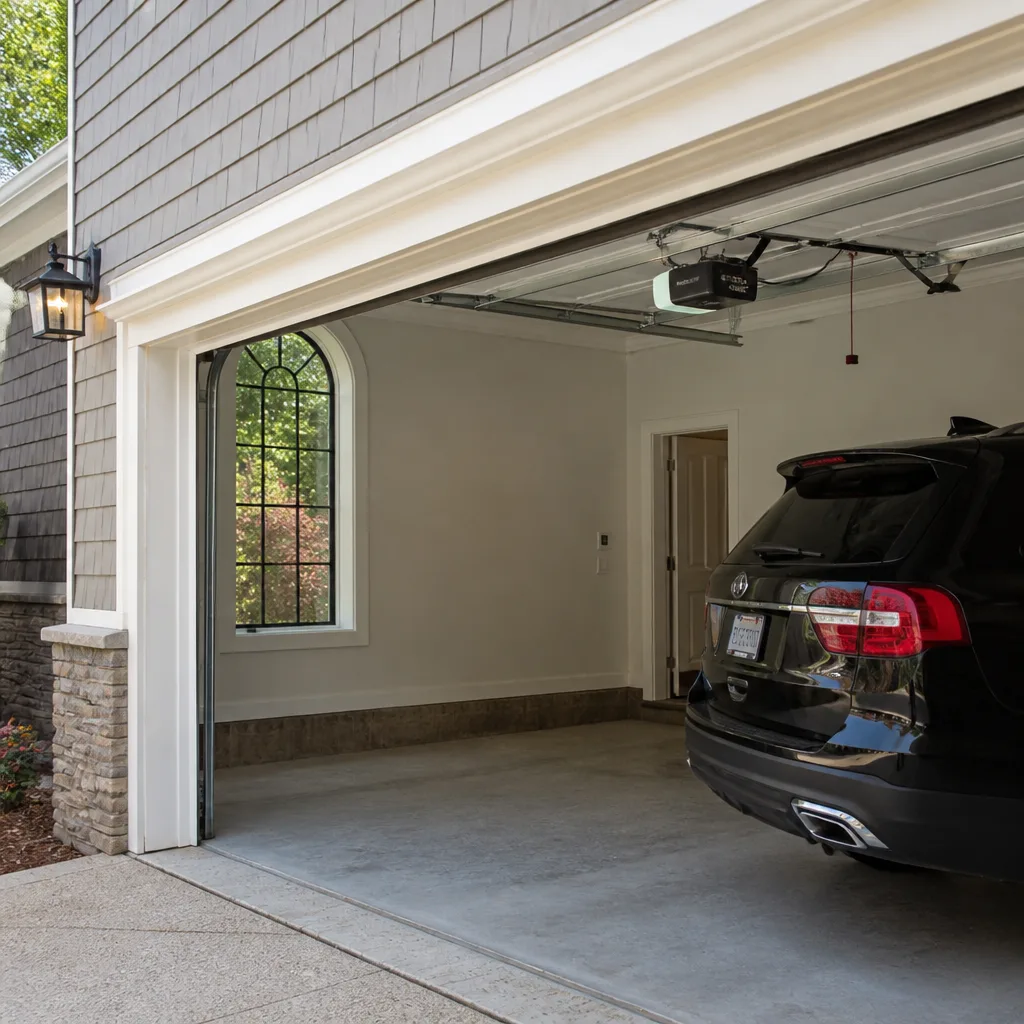
- LiftMaster openers
- Chamberlain openers
Table of Contents
- What each garage door repair costs in Annapolis in 2026
- What actually drives quote variance between contractors
- How Annapolis humidity affects hardware cost over 10 years
- Repair or replace? A break-even framework
- Red-flag pricing patterns and what a transparent estimate looks like
- Opener pricing tiers explained
- Questions to ask before you approve any quote
- Frequently asked questions
What each garage door repair costs in Annapolis in 2026
Local labor is the single biggest gap between national average guides and what you actually pay here. Annapolis sits inside the Baltimore-Washington corridor, where a skilled trade call-out runs higher than in rural parts of Maryland. Below are the typical ranges we see for garage door repair in Annapolis, with labor already folded in. Every one of these is an estimate, and the written quote you approve is the price.
| Repair or component | Typical Annapolis range (2026) |
|---|---|
| Torsion spring, single | $195 – $420 |
| Torsion spring, matched pair | $390 – $840 |
| Extension spring, single | $150 – $320 |
| Lift cables, pair | $140 – $280 |
| Rollers, full set | $120 – $250 |
| Bottom seal / weatherstrip | $95 – $220 |
| Single panel replacement | $280 – $750 |
| Opener unit, installed | $350 – $700 |
| Hinges and hardware tune-up | $110 – $230 |
Two things to read carefully in that table. First, spring pricing is per spring. Springs are usually replaced as a matched pair because a new spring next to a fatigued one loads the system unevenly. That means a pair costs about double the single-spring figure, not the same number. Second, panel costs swing widely by material. A steel panel for a run-of-the-mill door from a home near the water in Eastport prices differently than a carriage-style panel on a newer build out toward Riva or Davidsonville. If you have a Clopay or Amarr door, the panel size and profile dictate the part, and that dictates the price.
When we arrive on a garage door spring repair call, we identify the spring by wire gauge, inside diameter and cycle rating before quoting. That’s the part homeowners most often get surprised by, because the cheap spring on a low cycle count is what makes a low bid look attractive. We’ll come back to that.
What actually drives quote variance between contractors
You can get three quotes on the same spring replacement in Annapolis and see a $200 spread. Three variables explain about 80% of that difference. Knowing them lets you compare apples to apples instead of picking the cheapest number on a page.
- Spring cycle rating. Springs are manufactured to a rated number of open-and-close cycles. A standard spring and a high-cycle spring can look identical once installed, but the high-cycle version lasts far longer. Cheap bids frequently hide here. Ask the cycle rating in writing.
- Roller grade. Nylon rollers with sealed bearings outlast cheap steel rollers by a wide margin, and they run quieter. If a bid includes “new rollers” without stating the type, you’re probably being quoted steel.
- Opener model tier. A belt-drive LiftMaster with battery backup and smart connectivity is not the same machine as a chain-drive builder-grade unit. The unit price and install labor reflect that. When you see the model number, you can verify the retail price of the unit yourself and judge the labor markup.
There’s a fourth factor that shows up specifically in older Annapolis neighborhoods: retrofit complexity. A door on an older home may need the track re-aligned, the jamb reinforced, or the torsion tube replaced alongside the springs. A contractor who quotes sight-unseen on the phone can’t factor any of that in. The written estimate comes after a measure, and that measure is where the real number gets set.
Brand fluency also matters more than people expect. We work on the big four opener families: LiftMaster, Chamberlain, Genie and Craftsman. When a technician can identify the drive type and control board from the model, the diagnosis is faster and the return-visit rate drops. That efficiency can show up in the quote, and it certainly shows up in how long your car sits in the driveway.
How Annapolis humidity affects hardware cost over 10 years
Annapolis sits in a humid, mid-Atlantic climate. Summer moisture, temperature swings and the damp air that lingers in a garage all accelerate corrosion on steel hardware. Over a 10-year window, that changes both how often you replace parts and your total cost of ownership. This is not a doom-and-gloom warning; it’s a maintenance reality that a national average cost guide completely ignores.
What to expect over a decade in the Annapolis climate:
- Cables and rollers go sooner. Steel cables and inexpensive rollers are the first to show rust and binding. Upgrading to galvanized cables and nylon rollers at the first replacement tends to pay for itself by avoiding a second call within the same decade.
- Hinges and bottom brackets need attention. These are the small parts that collect moisture. Lubricating hinges and checking for surface rust each season extends their life at near-zero cost.
- Wood doors need more upkeep. A wood or composite door on an Annapolis home needs periodic sealing and painting to stay ahead of moisture, and a neglected finish shows up as swelling and warping. Steel or aluminum doors have a lower maintenance bill in this climate.
- Springs are unaffected by humidity. Torsion springs are inside the garage and don’t corrode the way cables do, so their replacement cadence is driven by cycles, not weather. That’s a useful distinction when a contractor tries to sell you “climate protection” on a spring.
Roughly, budgeting for a hardware refresh every few years in this climate is realistic. When we’re out on a repair call in Annapolis, we’ll tell you which parts are nearing the end of their serviceable life so you can plan rather than get caught out.
Repair or replace? A break-even framework
The hardest call in garage door pricing is deciding when to stop repairing and start replacing. A national guide will tell you to replace when repairs exceed half the cost of a new door. That’s a useful rule of thumb, but it ignores two things that matter here: how old the door is and whether the parts are still available.
Use this decision framework. It’s the way we walk through it with a homeowner.
- Add up your repairs over the past two years. If you’ve spent more than half of what a new door costs, replacement is the better financial move.
- Check the door age. Doors beyond about 15 to 20 years old often have parts that are discontinued, which means an otherwise simple repair becomes a custom-order job. When parts aren’t available, replacement wins.
- Check the insulation situation. If the door is uninsulated and the garage shares a wall with living space, the energy efficiency gain from an insulated replacement often justifies the cost regardless of repair math. This matters most on older homes in Annapolis where the garage was originally a carport.
- Check the structural condition. Sagging panels, bent track that can’t be re-aligned, or a torsion tube that’s cracked means the door is a replacement candidate.
- Get a free measure and written quote. The cost of a full replacement is set by size, material, insulation and door style. A free measure gives you a firm number so the decision is made on facts.
The one repair we never recommend deferring is a spring failure. On a door with two springs, if one breaks, the other is usually ready to go too. Replacing a single spring that fails against a fresh one is how you get back on the phone in a few months. We treat spring work as core, safety-critical and worth doing once, correctly, with a matched pair. The same principle applies to a cable that snaps: the door is now hanging on one side, and that’s a job for a professional, not a weekend project. For a full garage door opener repair or a full replacement, we’ll tell you plainly which is the better spend for your situation.
When replacement is the answer and you’re ready to talk about a garage door installation, that’s a measured, ordered job rather than an emergency call. It’s scheduled around the measure, the order and the install, and the written quote you approve is the price you pay.
Red-flag pricing patterns and what a transparent estimate looks like
A quote that’s dramatically lower than every other quote on the same job is a question, not a win. In this trade, low bids are usually buying themselves room in one of three ways. The spring is a low cycle rating. The rollers are cheap steel. Or the “installed” price is for the unit only and the labor gets added later. Ask the right questions and you’ll spot it before you commit.
What a transparent, itemized estimate should show you, line by line:
- Parts, named specifically. Brand, model where relevant, and specification. “Spring replacement” is not a line item. “Torsion spring, high-cycle rated, matched pair” is.
- Labor, broken out or bundled explicitly. Either way, it’s clear what’s being charged for the work.
- Any additional parts the job requires. New cables, rollers or bearings should appear if they’re part of the repair.
- No surprise fee. If there’s a call-out or diagnostic charge, it appears before work starts, not on the invoice.
- The written total, agreed before the work begins. This is the piece to check. A verbal “should be around” is not a quote.
Red flags to walk away from: a quote given entirely over the phone without seeing the door, pressure to approve on the spot, a labor rate that’s mysteriously absent, or a spring price with no cycle rating. We’ve seen homeowners in Annapolis get a “great deal” that replaced one spring of a pair and left the other compromised. The invoice was low six months later when the second spring failed. The written estimate is not a formality; it’s the document that prevents that scenario.
Opener pricing tiers explained
Opener replacement is the repair with the widest price spread, and it’s the one most worth understanding before you choose. The unit price and the install labor both move based on three factors: drive type, power source and smart features.
- Chain drive. The most affordable tier. Reliable, louder. Common as a builder-grade LiftMaster or Craftsman unit.
- Belt drive. Quieter and smoother. Preferred on homes with a bedroom above or adjacent to the garage, which describes a lot of Annapolis homes.
- Screw drive. Strong and fast, louder than belt, common on Genie units.
- Battery backup. Keeps the door working during an outage. This feature adds to the unit price but is worth asking about if the house is storm-prone.
- Smart connectivity. WiFi control and phone alerts. Built into most current Chamberlain and LiftMaster models, sometimes available as an add-on otherwise.
The install labor includes removing the old unit, mounting the new rail, wiring the safety sensors and testing the door balance. An opener replacement usually runs $350 – $700 installed. A Raynor door with a matched opener may price slightly differently because the rail and bracket geometry can vary. When we quote an opener, we name the model so you can check it, and we fit the safety sensors and reverse function before we leave. The written estimate sets the final price.
Questions to ask before you approve any quote
You don’t need to know the trade to ask good questions. You just need to ask the right ones. These five will get you a quote you can actually compare.
- “What’s the cycle rating on the spring?” A written number answers the most important question in the whole quote.
- “Is the spring price for one or for the pair?” You know the answer from the table above. Confirm the quote matches.
- “What roller type is included?” Nylon or steel. Ask for nylon with sealed bearings if you want the longer-lived option.
- “Is the price quoted before work starts or on arrival?” The estimate is set per job and agreed before any work begins. Any quote that can’t say yes to this is a red flag.
- “Are the technicians licensed and insured?” The local pro doing the work is licensed and insured as the state requires. Ask for that confirmation in writing.
One more question that saves time on the phone: “Do you service my brand?” We’re fluent across LiftMaster, Chamberlain, Genie, Clopay, Amarr, Wayne Dalton, Craftsman and Raynor, which means the answer is usually yes. That eliminates the dead end of calling three companies and being told your door is a brand they don’t handle. Whether it’s an opener fault, a broken spring, or time for a full replacement, one call covers the whole system.
Common Mistakes to Avoid
- You compare a single spring to a matched pair. A quote for one spring is not comparable to a quote for two. If your door has a pair and the quote only replaces one, ask why. In the Annapolis climate, where hardware already has more wear, matching the pair usually saves money over a second visit.
- You accept a phone quote without a measure. Older Annapolis homes often have door openings that don’t match a standard size. A replacement quote built without a measure is a guess, and a guess that’s too low is the one that gets revised after the door comes off.
- You skip the written estimate. Verbal numbers are where invoices drift. Insist on a line-item written estimate with the total agreed before work starts. It’s your protection, and any legitimate professional will provide it.
- You let a wood door go unsealed. The humidity in this region is hard on wood and composite doors. Skipping a seasonal seal turns a small repaint into a swelling and warping problem that can’t be repaired, only replaced.
- You choose the cheapest opener without checking the drive type. A chain drive on a garage below a bedroom is a noise complaint waiting to happen. Match the drive type to the room above it, not just the price tag.
- You ignore the second spring until it breaks. A single spring failure is a warning that the other is fatigued. Fixing both in one visit costs less than two separate visits, and it’s safer.
- You try to move a door with a broken spring. The door is now being held by the opener and the cable, and the opener is not designed to lift it. Call a professional. Springs and cables are under extreme tension, and this is the one tool in your garage that can cause serious injury.
See the difference
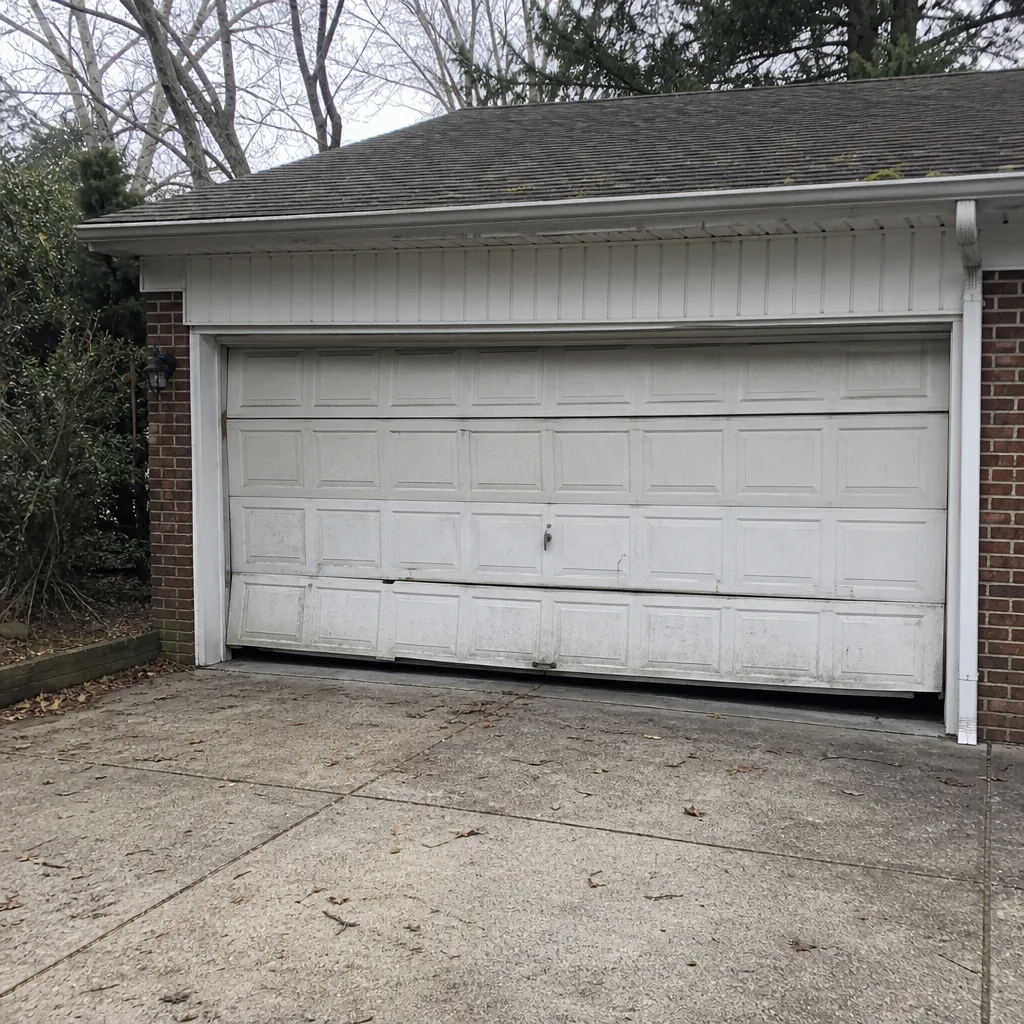 Before
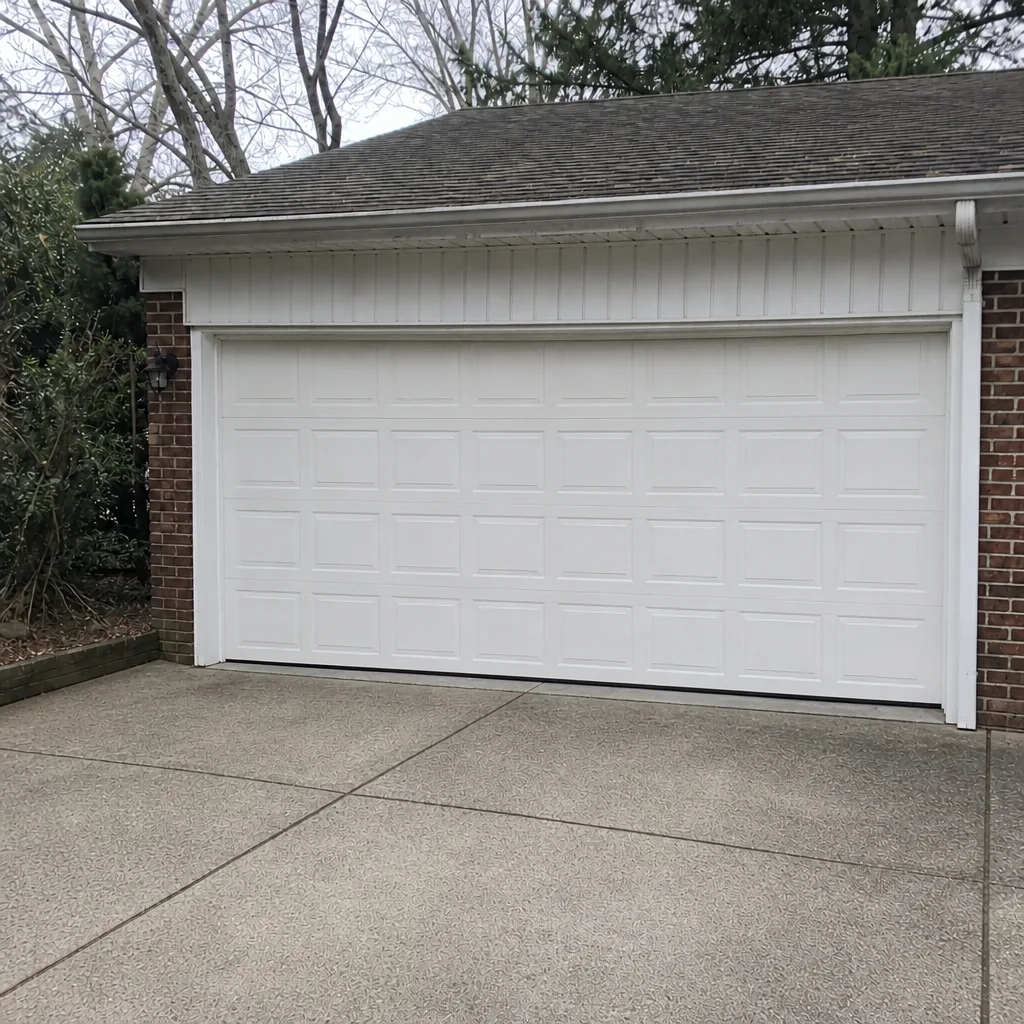 After
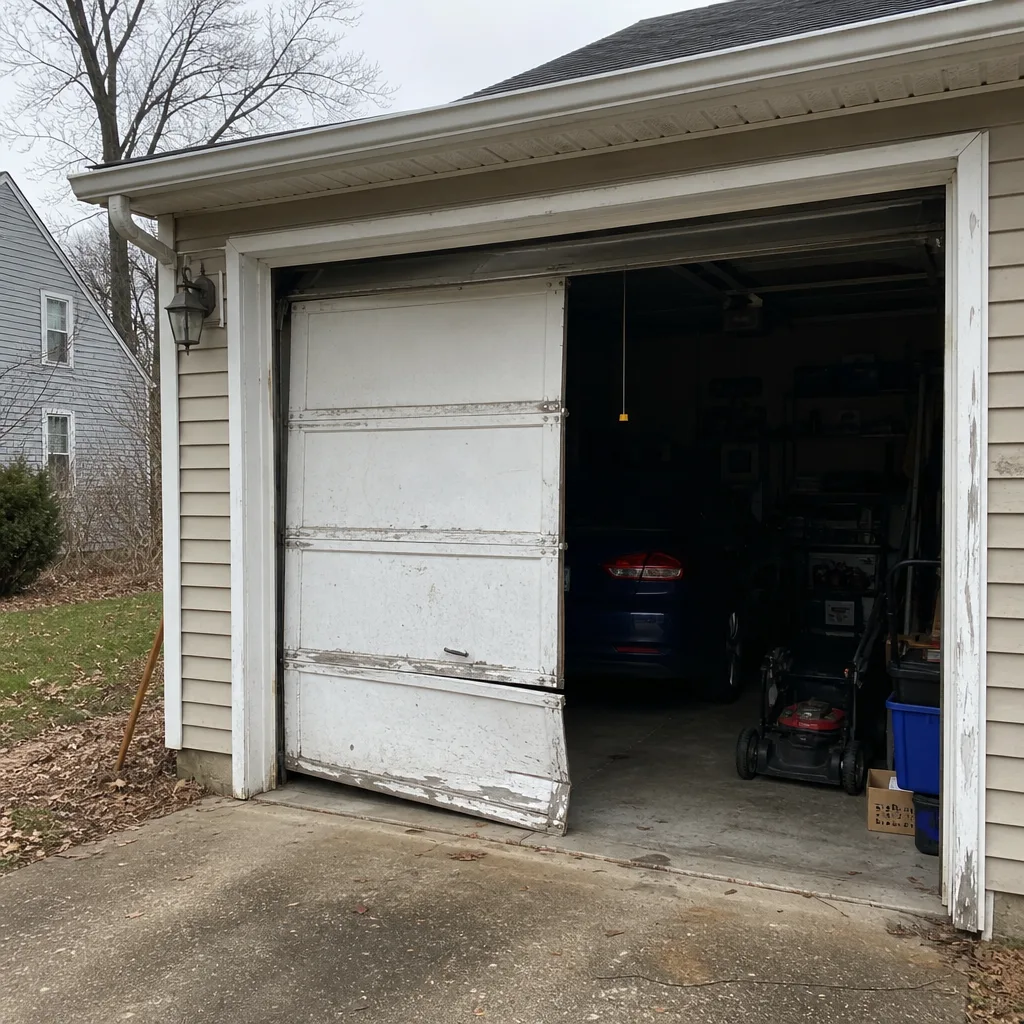 Before
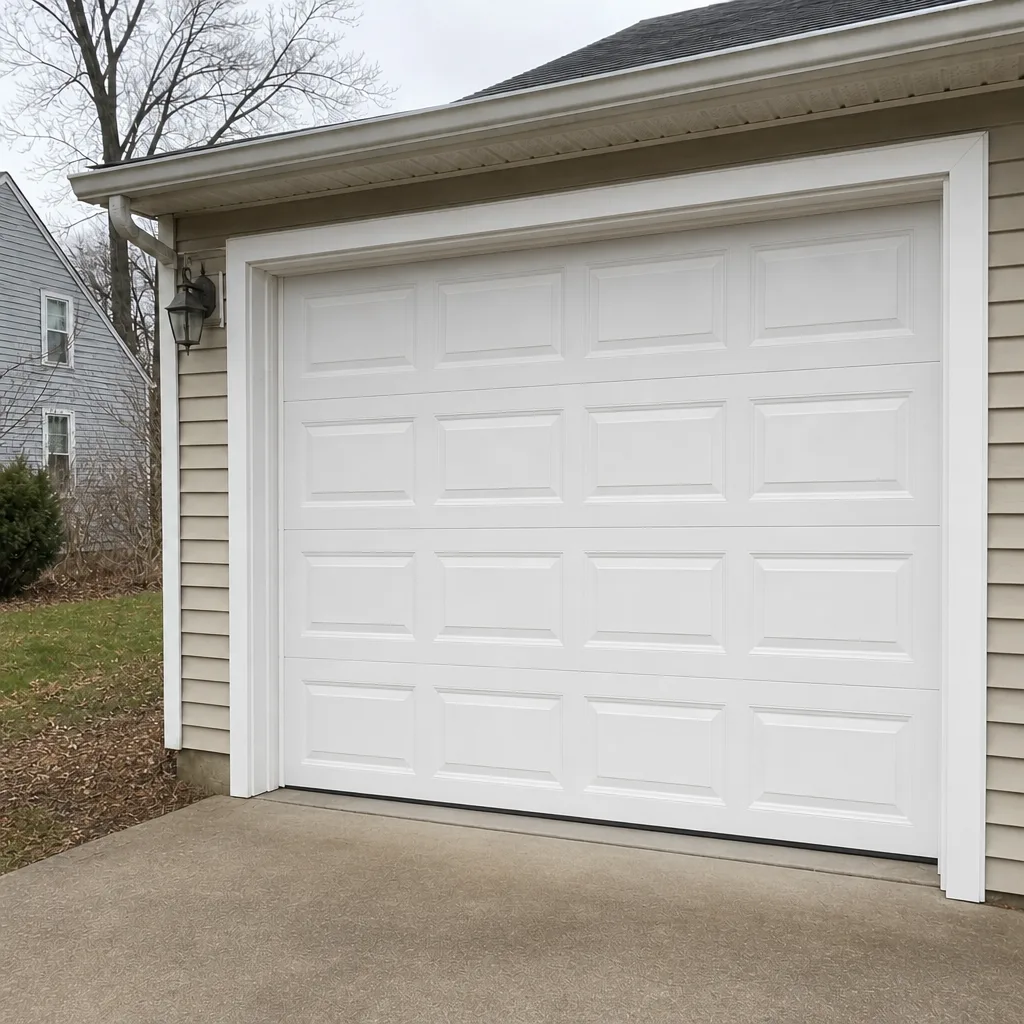 After
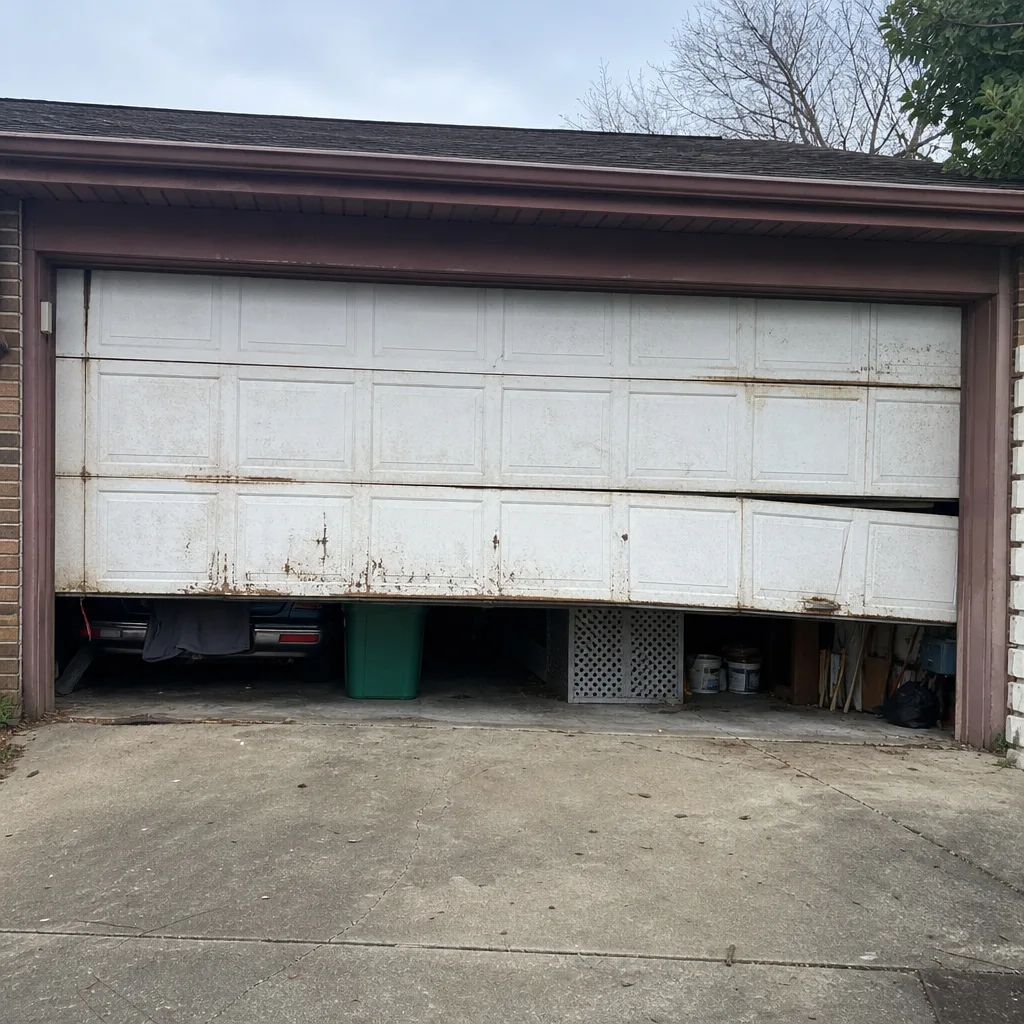 Before
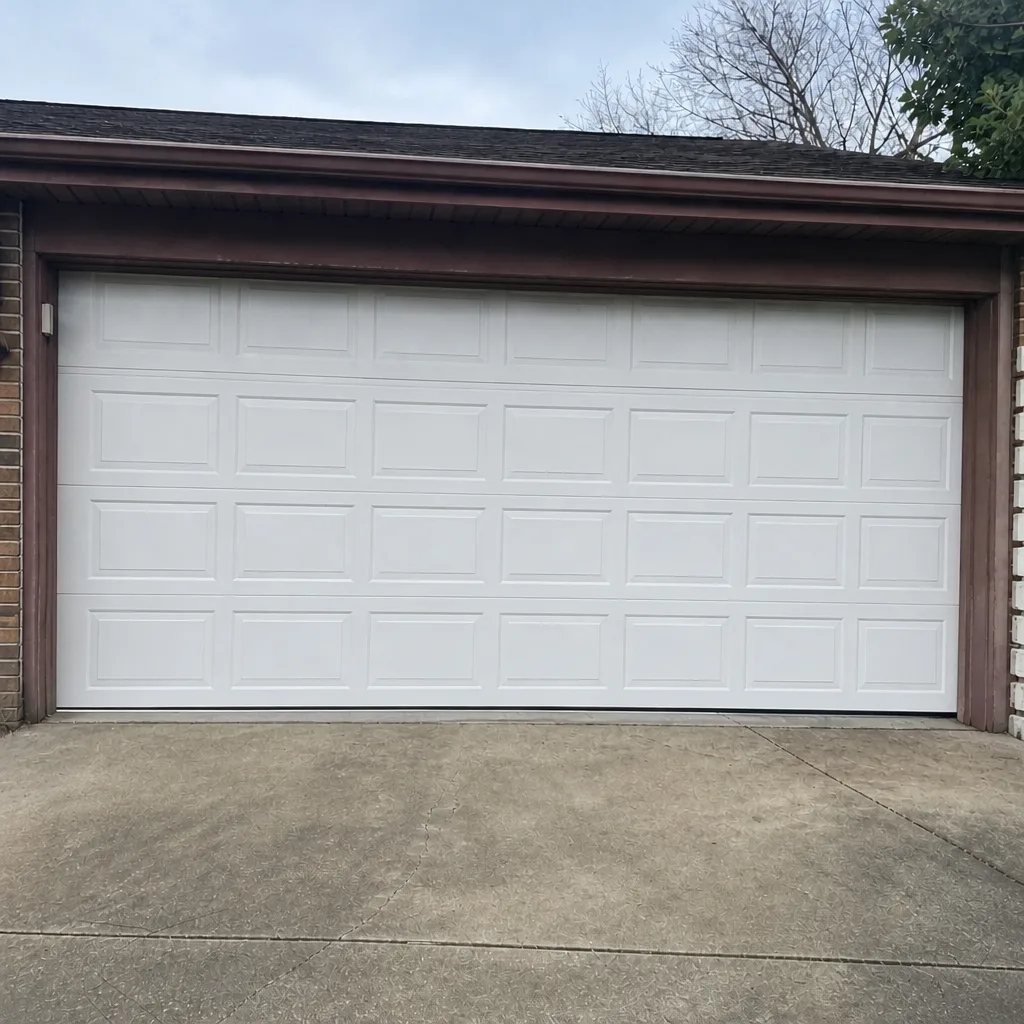 After
When to Call a Professional
Some jobs are fine to leave to a handyman and some are not. Call a professional when the door won’t balance, when a spring or cable has snapped, when the opener runs but the door doesn’t move, or when the door is visibly out of line with the track. On older homes in Annapolis, a door that’s suddenly hard to lift or noisy on one side is often the first sign a spring is fatigued. Don’t move a door with a broken spring to “see if it works.” Springs and cables are under extreme tension, and this is not a repair to attempt on your own. Annapolis Garage Door Repair offers free estimates in Annapolis. Call (844) 976-0297. We answer 24/7. Fast dispatch from 7am to 7pm, Sunday through Friday, for emergency service when your door won’t move. Our technicians have up to 10 years of experience.
Frequently Asked Questions
A typical repair in Annapolis in 2026 runs $95 – $420 depending on the component, with a single torsion spring at $195 – $420, rollers at $120 – $250 and a full opener replacement at $350 – $700 installed. A full door replacement runs $1,200 – $2,800 based on size, material and insulation. The written estimate sets the final price, and it’s agreed before any work starts. Call (844) 976-0297 for an exact quote. Estimates are free.
Yes, for emergency and repair work we offer same-day service in Annapolis. We answer 24/7, and fast dispatch runs from 7am to 7pm, Sunday through Friday. A call outside dispatch hours is booked into the next opening. Call (844) 976-0297 and we’ll get a technician scheduled.
Local labor rates in the Baltimore-Washington corridor run higher than national averages, and spring cycle ratings, roller grades and opener tiers explain most of the difference between two quotes on the same job. A national average is a generalization, while an Annapolis quote reflects local labor, the specific parts specified and the actual condition of your door. The written estimate you receive is the number that matters.
No. The estimate is quoted and agreed before any work starts, and that written quote is the price. If a measure reveals an additional problem, we’ll explain it and quote it separately before touching anything. You approve each line or you don’t. Call (844) 976-0297 to schedule a free estimate.
Yes. The local pro who performs the work is licensed and insured as the state requires. We can confirm that in writing before the visit. Call (844) 976-0297 with any questions about credentials for your job.
Repair if the door is under 15 years old, the panels are structurally sound, and the leftover repair total comes in under half of a replacement price. Replace if the door is beyond 15 to 20 years, parts are discontinued, or the insulation value is a factor for an attached garage. A free measure gives you the replacement number so the choice is made on facts. Call (844) 976-0297 for that estimate.
The Bottom Line
Annapolis garage door pricing in 2026 is not the national average. Local labor, humidity-driven hardware wear and the specific parts in the quote all move the number. Springs run $195 – $420 for a single and about double for a matched pair. Openers run $350 – $700 installed. Full replacements run $1,200 – $2,800. Repair versus replace is decided by age, condition and parts availability more than by the repair total alone. The one constant across every repair: the written estimate is agreed before any work starts, and that quote is the price. Use this reference to read a quote intelligently. Then call us to verify it.
From a door that won’t open to a full replacement, one call covers the whole system. We work on LiftMaster, Chamberlain, Genie and Craftsman openers, and on Clopay, Amarr, Wayne Dalton and Raynor doors, so you don’t hit the “we don’t service that brand” dead end. Whether it’s a snapped spring, a dead opener, or time for a new door, call (844) 976-0297 for a free estimate. We answer 24/7. Fast dispatch from 7am to 7pm, Sunday through Friday.
If you’re interested in how the broader repair conversation works, you can read more on our main Annapolis Garage Door Repair page, or jump straight to the service that fits your situation.
Written by the team at Annapolis Garage Door Repair.