
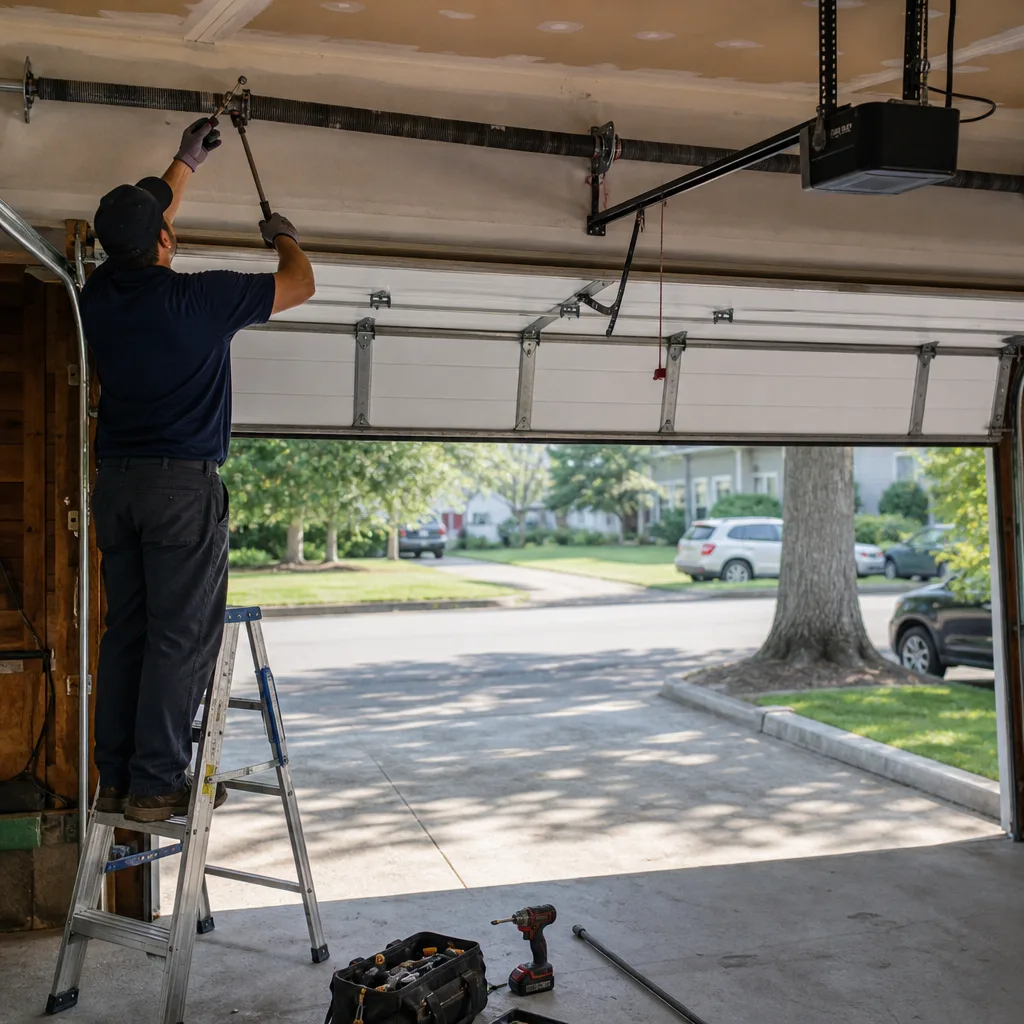
Last updated November 23, 2026
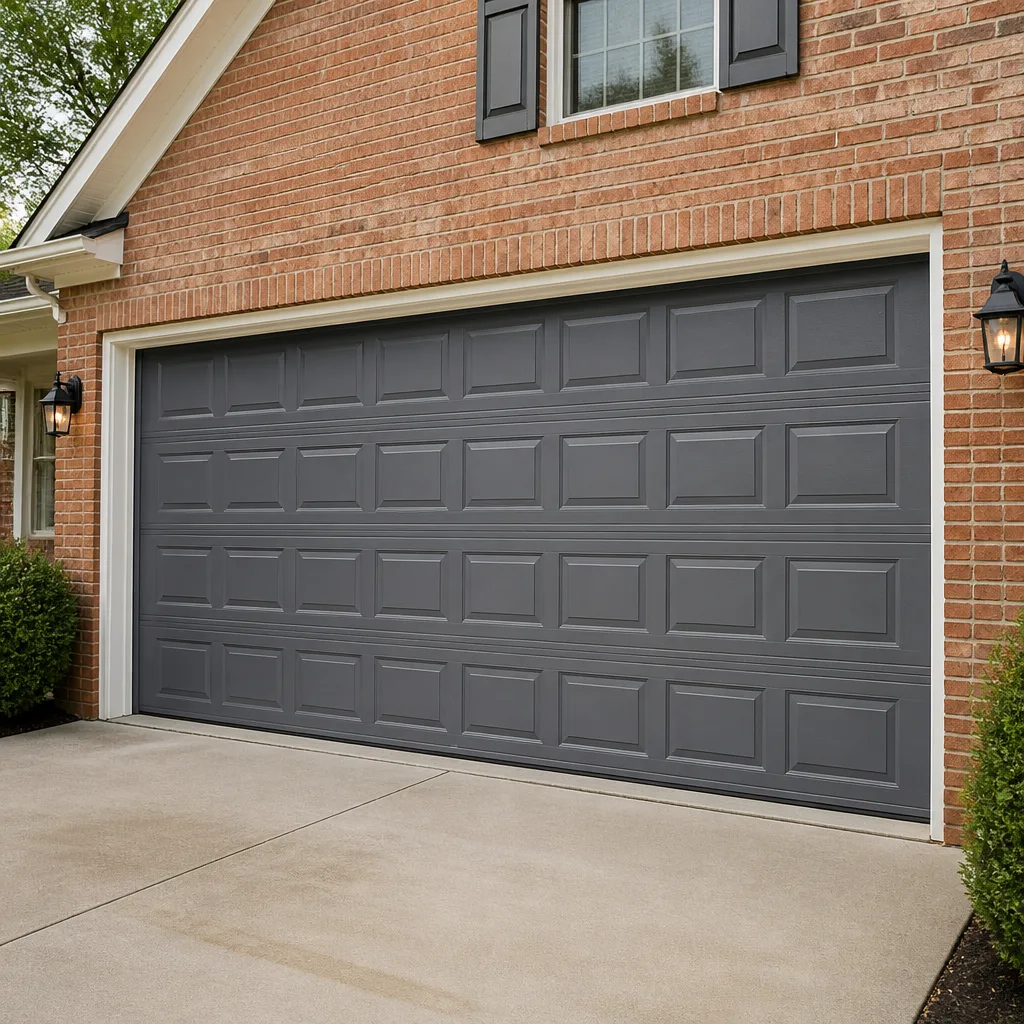 Raised-panel steel
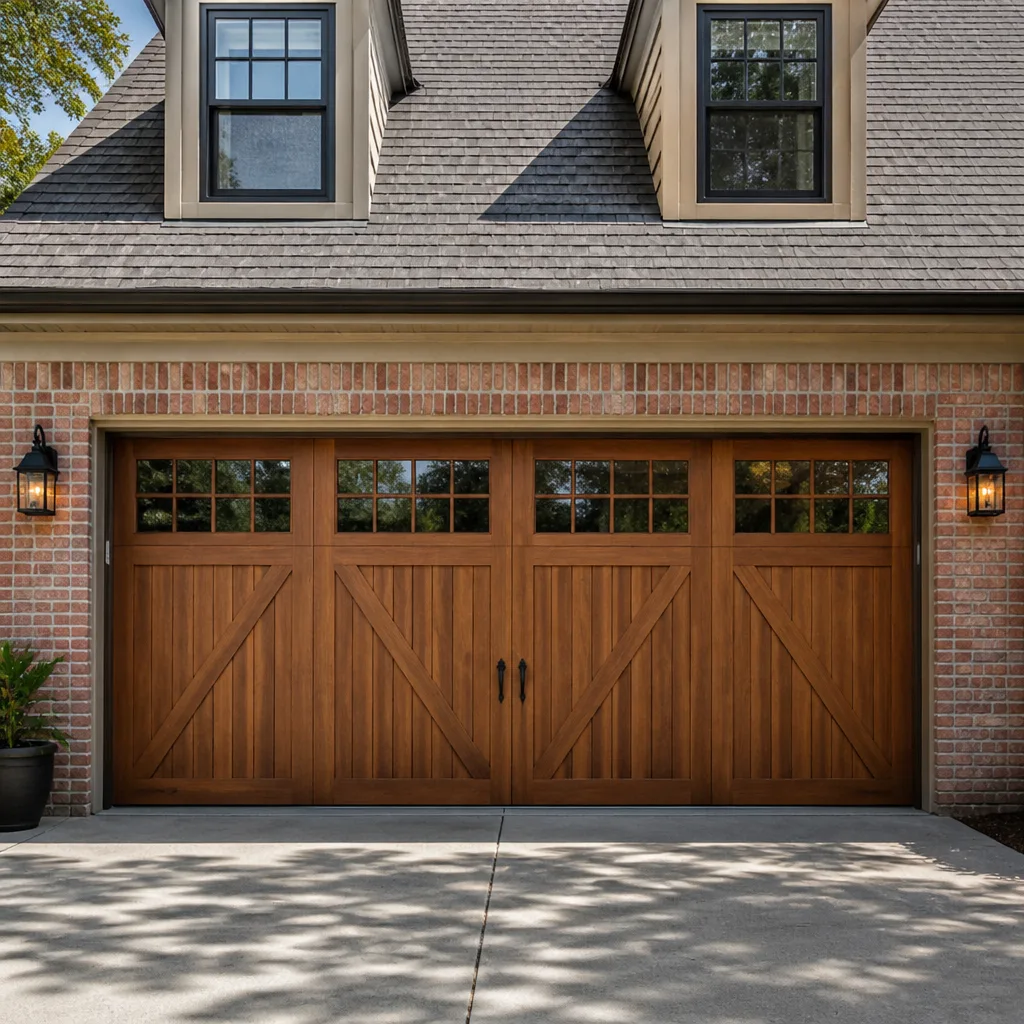 Carriage house
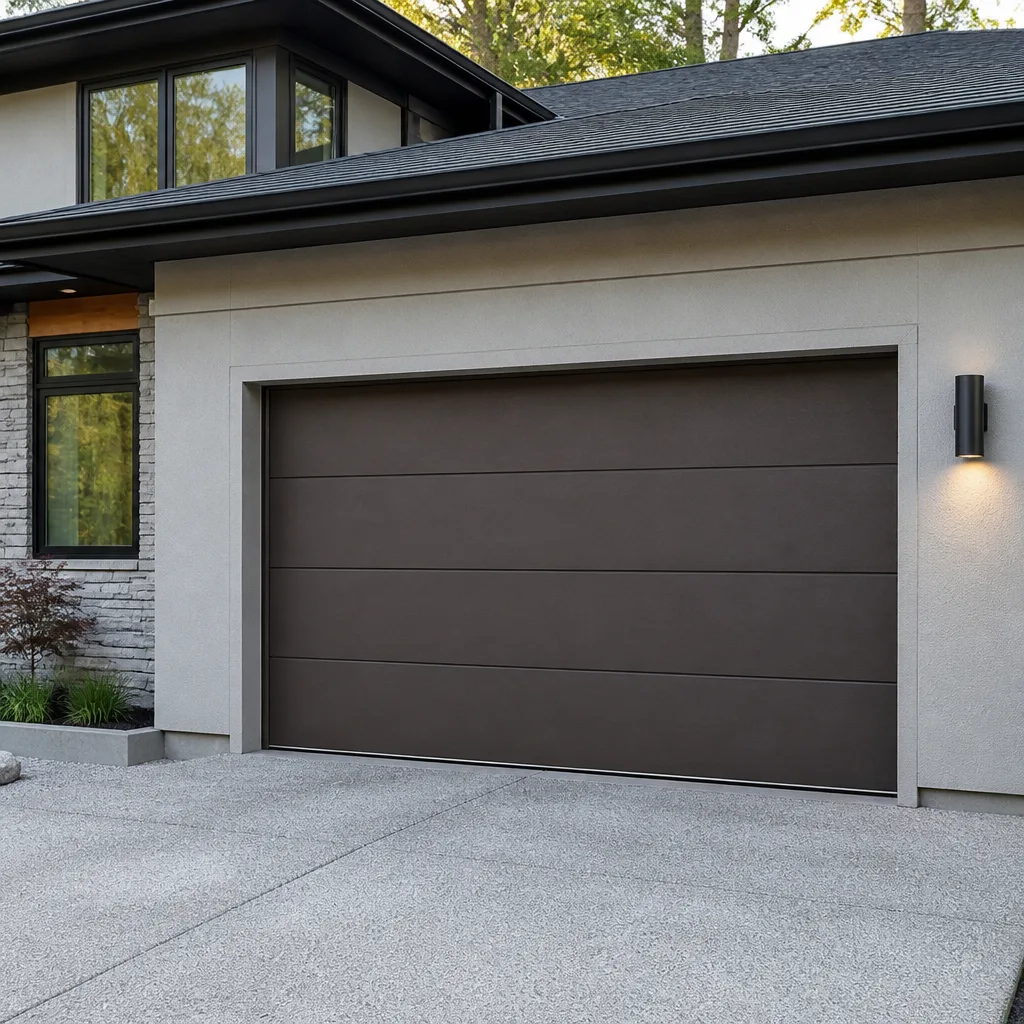 Modern flush
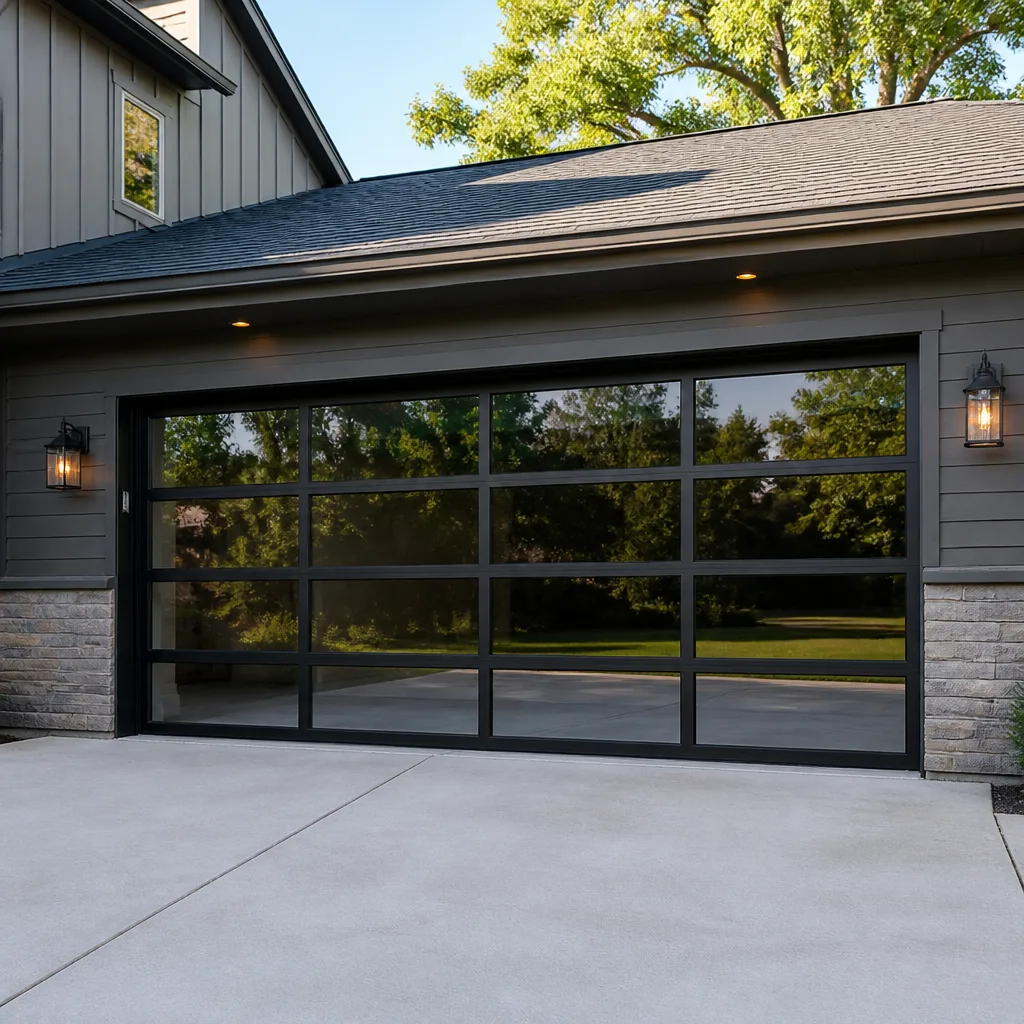 Full-view glass
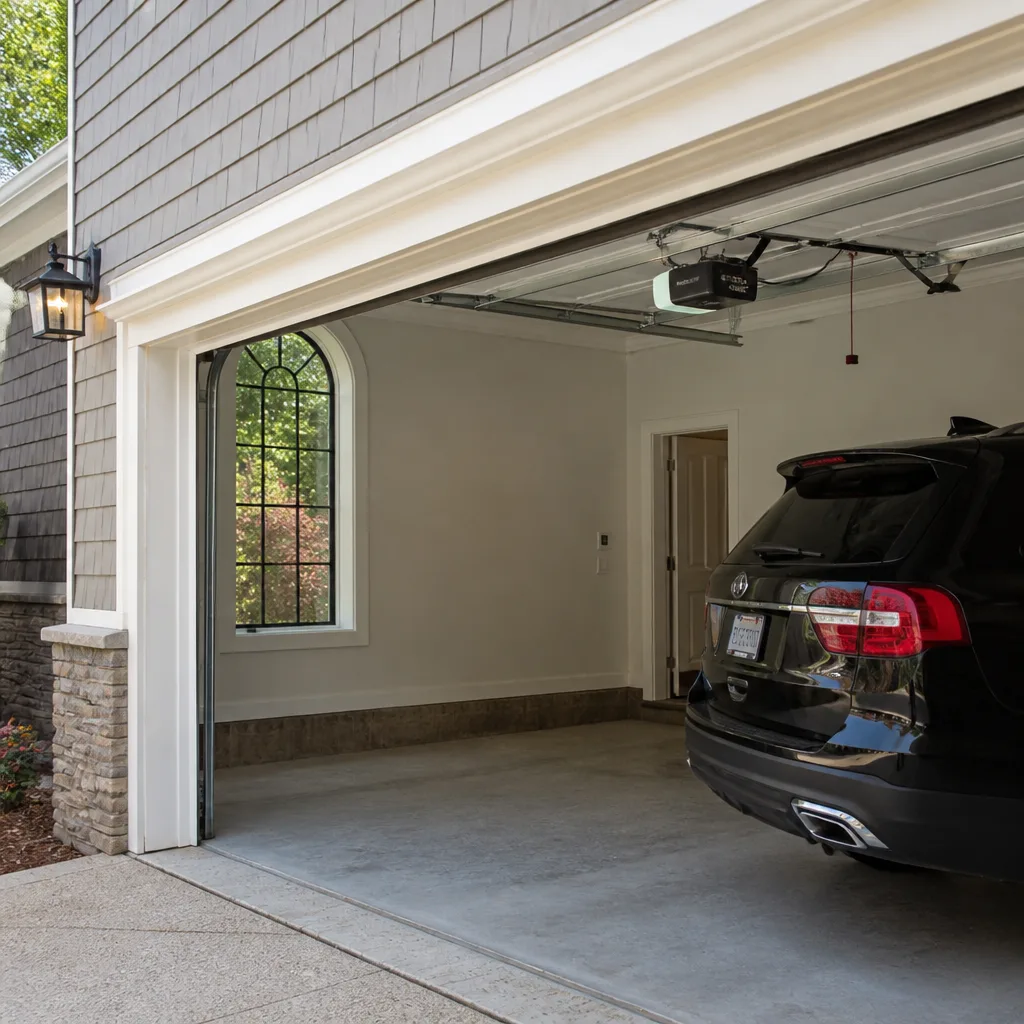 LiftMaster openers
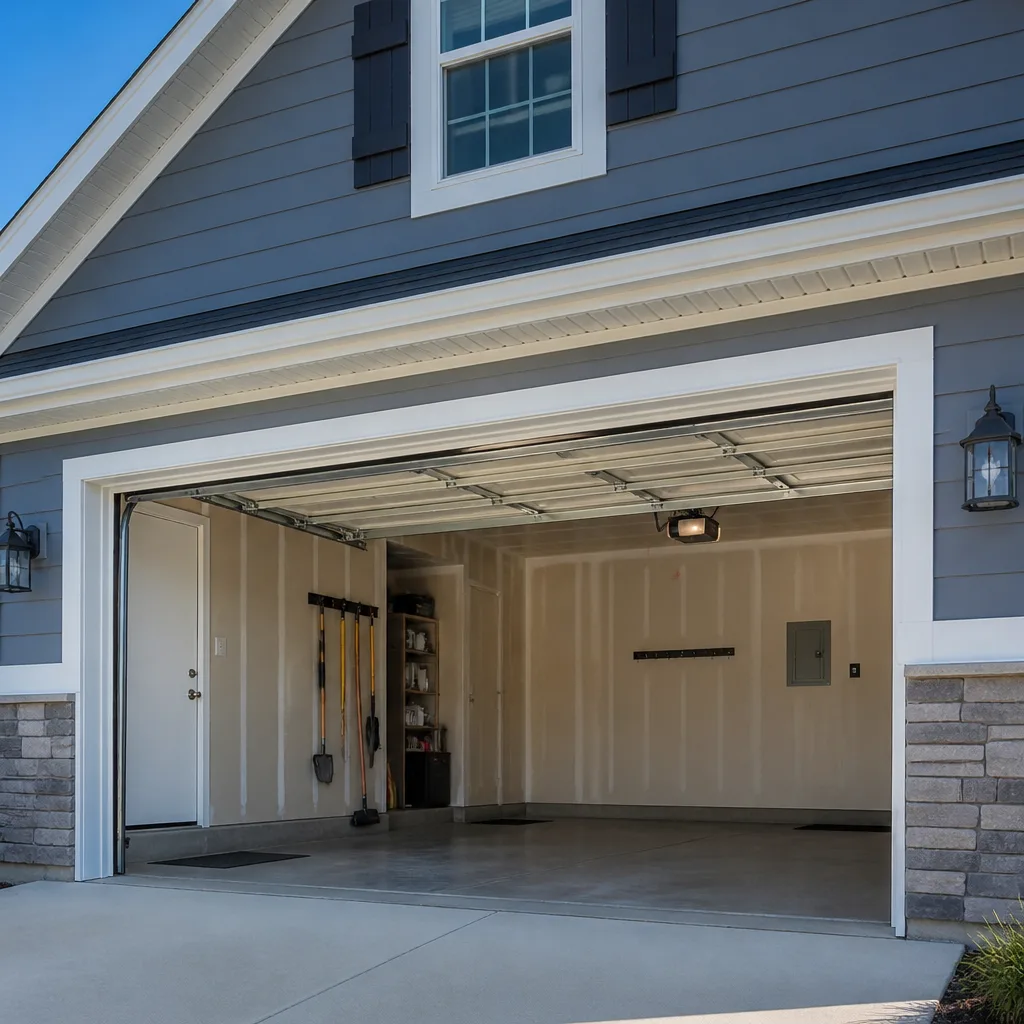 Chamberlain openers
Full 25-point door and opener safety check with every visit - springs, cables, rollers, tracks, and your LiftMaster or Chamberlain opener included
You get a price before we start. It does not change when the pro arrives.
Get your free estimateSeasonal Garage Door Care for Annapolis: Year-Round Homeowner’s Guide
Most seasonal garage door advice is written for somewhere else. Annapolis doesn’t bake its doors at 115°F or bury them under lake-effect snow, so the checklists built for Phoenix and Buffalo miss the pattern that actually wears out hardware here. What we see instead is slow metal fatigue: a season of freeze-thaw cycles, a humid summer that swells wood panels, a spring storm that takes the power out. Each one stresses a different part of the system. This guide walks through what to check in fall, winter, spring, and summer in Annapolis, in the order it matters, so a small adjustment now doesn’t become a snapped spring or a trapped car later.
Quick Answer
Seasonal garage door care in Annapolis means matching maintenance to Maryland’s swing between humid 90°F summers and freezing winters, not running a generic checklist. The priorities are lubricant that stays fluid through a January cold snap, threshold and safety-sensor alignment after frost heave, a post-winter cable and drum inspection, humidity control for wood doors, and a storm-readiness check before hurricane season. A trained technician can catch most of these in one visit.
Styles & brands we work with
- Raised-panel steel
- Carriage house
- Modern flush
- Full-view glass
- LiftMaster openers
- Chamberlain openers
Table of Contents
- Why Annapolis Weather Wears Doors Differently
- Fall Prep: Lubricant Viscosity and the October-to-January Problem
- Winter: Frost-Heaved Thresholds and the 48-Hour Sensor Window
- Spring: The Post-Winter Cable and Drum Inspection
- Summer Humidity and Wood Door Management
- Chesapeake Storm Prep: Hardware Checks Before a Named Storm
- Building a Year-Round Care Calendar for Annapolis
- What You Should Never Adjust Yourself
Why Annapolis Weather Wears Doors Differently
Annapolis sits in a climate band that swings hard in both directions. A January morning can drop into the low 20s, then climb above freezing by afternoon, then refreeze that night. Over a single winter, a door can cycle through dozens of freeze-thaw events. Each one expands and contracts the steel torsion spring, the cables, and the hinges by a fraction of an inch. Individually that’s nothing. Across a whole season it’s the slow fatigue that eventually cracks a spring.
Summer pulls in the other direction. Maryland humidity is real, and a wood door absorbs that moisture, swells, and starts to bind against the frame. Metal doors don’t swell, but the seals and the rollers take the humidity load instead. Add the occasional severe thunderstorm or a named storm tracking up the Chesapeake, and you’ve got a door system that lives through a wide range of conditions every year.
That range is why a one-size-fits-all guide falls short. A door in Annapolis needs different attention in February than it does in July, and the checklist that keeps it running is built around those seasonal turning points. It’s also why we treat Annapolis Garage Door Repair as a full-system job rather than a single-component fix: the spring, the cables, the tracks, and the opener interact, and a problem in one area usually shows up somewhere else first.
- Freeze-thaw cycles: metal fatigue on springs, cables, and hinges through the winter months.
- Humidity: wood swelling, seal deterioration, and roller drag through summer.
- Storm events: impact damage, power loss, and sudden load on the opener.
- Temperature swing: lubricants that thin in the heat and thicken in the cold.
Fall Prep: Lubricant Viscosity and the October-to-January Problem
The single most common fall mistake is using the wrong lubricant. A light spray that glides smoothly in October can thicken into a sticky paste by January, and that’s when rollers start to drag and the opener works harder than it should. In Maryland’s temperature range, a lubricant needs to stay fluid from a mild fall afternoon down to a hard January freeze. If it doesn’t, you’ve made the door harder to move, not easier.
We recommend a silicone-based or lithium grease rated for cold temperatures, applied to the hinges, rollers, and the torsion spring coils. Avoid heavy oil on the tracks: it attracts grit, and grit wears the rollers. Wipe the tracks clean and leave them dry or lightly wiped, and reserve the grease for the moving joints.
Fall is also the right time to test the safety reverse. Put a small board or a roll of paper towels under the door and close it. The door should reverse on contact. If it doesn’t, the opener’s travel limits or force settings need adjusting, and that’s a job worth handing to a technician who can read the opener’s behavior rather than guess at it.
- Clean the tracks and wipe away grit and old grease.
- Apply a cold-rated silicone or lithium grease to hinges, rollers, and spring coils.
- Test the safety reverse with a small object under the door.
- Check the weather seal along the bottom for cracks or gaps.
- Listen for new noises: grinding, squealing, or a labored motor sound.
If any of those steps turn up a problem, that’s the moment to book a garage door repair visit before the cold sets in. A roller or hinge that’s already stiff in October will be worse by January.
Winter: Frost-Heaved Thresholds and the 48-Hour Sensor Window
When the ground freezes and thaws repeatedly, the concrete slab under the garage door can heave slightly. That movement tilts the threshold, and a photo-eye safety sensor mounted on the frame no longer lines up with the door’s path. The door closes, the sensor trips, the door reverses, and the homeowner is left with a door that won’t stay down. That misalignment has a short window: if the opener is repeatedly forced to reverse or re-close against a sensor fault, the gear and the logic board take the strain. Fixing the sensor alignment within about 48 hours of noticing the problem keeps that from turning into a dead opener.
In Annapolis, where winter alternates between deep freezes and mild thaws, this is a repeat offender. Here’s what to check when the door starts acting up in January:
- Sensor alignment: the two photo-eyes should point at each other with a clear, unobstructed beam. A frost-heaved frame can knock them out of line by a fraction of an inch.
- Threshold gap: the bottom seal should sit flush against the floor. A visible gap lets cold air and moisture in, and signals the threshold has moved.
- Door balance: with the opener disconnected, the door should hold its position halfway up. If it drops or rises on its own, the spring tension is off.
- Ice on the tracks: never pry at frozen hardware. Let it thaw or call for help.
If the door reverses for no obvious reason, the sensor is usually the first suspect. A garage door opener repair call can confirm whether it’s a sensor, a travel limit, or a failing logic board. If the door feels heavy or won’t stay up, the spring is involved, and that’s a separate and more serious repair.
Spring: The Post-Winter Cable and Drum Inspection
Spring is the season to look at what winter stressed. The cables run from the bottom corners of the door up to the drums at the top of the torsion shaft, and every freeze-thaw cycle pulls on them a little. By the time the ground thaws, a cable can show fraying, kinking, or a loose drum. This is not a part to inspect by hand while the door is under tension. A trained technician does a cable and drum check with the spring unwound and the door secured.
The inspection sequence we follow:
- Secure the door and release the spring tension using the proper winding bars.
- Inspect both cables for fraying, kinks, or rust at the drum ends.
- Check the drums for cracks or worn grooves where the cable spools.
- Examine the torsion shaft and its bearings for play or noise.
- Re-tension the springs to the door’s specified weight and test the balance.
- Cycle the door several times and listen for grinding or uneven travel.
A frayed cable is a failure point: if it snaps under load, the door drops. If you see loose cable or hear a popping sound, stop using the door and call for help. Spring and cable work is the most dangerous repair on the system, and it’s the one area where a homeowner should never attempt a fix. If you suspect a spring problem, a garage door spring repair visit is the safe way to confirm it.
Spring is also a good time to think about the door as a whole. If the panels, paint, or hardware are showing their age, a full replacement might make more sense than another round of repairs than a garage door repair visit is the safe way to confirm it.
Summer Humidity and Wood Door Management
A wood garage door is a sponge, and Maryland summers give it plenty to soak up. When the wood’s moisture content climbs past a certain point, the door swells against the frame and starts to bind. You’ll notice it before the door actually sticks: the opener strains, the rollers squeal, and the door moves slowly through the first few inches of travel. Catching it early is the difference between a lubrication adjustment and a panel replacement.
The practical moves for summer:
- Seal the wood: a fresh coat of exterior-grade paint or stain keeps moisture out. Pay attention to the bottom edge and the panel joints, where water gets in first.
- Watch the gaps: if the door starts rubbing the frame on one side, the wood has swollen. Don’t force it; adjust the hardware or the opener’s travel limits until the humidity drops.
- Keep the tracks clean and dry: summer humidity plus dust makes a sticky track. Wipe it down and check the rollers for flat spots.
- Ventilate the garage: a cross-breeze or a small fan reduces the humidity load on the door itself.
If the door is a Clopay or Amarr model with wood-look composite panels, the swelling risk is lower, but the seals and the bottom weatherstrip still take the summer heat and UV load. Check them each June.
Chesapeake Storm Prep: Hardware Checks Before a Named Storm
When a named storm tracks up the Chesapeake, the garage door is one of the most exposed parts of the house. The wind pressure on a wide door is significant, and a door that fails under load can let water and debris into the garage. The prep work happens before the storm, not during it.
Which hardware points to check:
- Hinges and rollers: make sure nothing is loose or missing. A hinge that’s already failing will fail worse under wind load.
- Reinforcement struts: if your door has them, confirm they’re bolted tight. They spread the wind load across the panels.
- Weather seal: a worn bottom seal lets wind-driven rain in. Replace it before storm season.
- Photo-eye sensors: confirm they’re aligned and clean. Storm debris on the lens can cause a false reversal at the worst moment.
If you lose power during a storm, the order of operations matters. First, don’t force the door. Most openers have a manual release cord: pull it once to disengage the carriage, then lift the door by hand. If the door is too heavy to lift, the spring is the problem, and the safe move is to wait for power or call for help. Once power returns, re-engage the carriage and test the safety reverse before trusting the door again.
If a storm does damage the door, an emergency garage door service call is the way to get it secured. That’s a standing offering, not a vague promise of a callback.
Building a Year-Round Care Calendar for Annapolis
The most reliable way to avoid a mid-winter failure is to put the seasonal checks on a calendar and stick to them. Here’s a simple schedule that fits Maryland’s cycle:
- September: clean the tracks, apply cold-rated lubricant, test the safety reverse, and check the weather seal.
- November: confirm the sensors are aligned and the threshold is flat before the ground freezes. Test the manual release.
- January: watch for sensor faults, labored opener sounds, or a door that won’t stay down. If the door reverses or the opener strains, get it looked at within a day or two.
- March: have the cables, drums, and springs inspected by a technician as the ground thaws.
- June: check the wood for swelling, reseal if needed, and confirm the bottom seal is intact.
- August: storm prep: tighten hinges, check struts, and clear the sensors.
Between those points, a quick monthly listen is worth the two minutes. A door that runs quietly in October and starts grinding in January is telling you something.
What You Should Never Adjust Yourself
Some seasonal tasks are safe for a homeowner: lubricating hinges, cleaning tracks, testing the safety reverse, and wiping the sensor lenses. Others are not. The torsion spring, the cables, and the drums are under high tension, and a mistake there can cause serious injury. Never loosen, wind, or adjust a torsion spring yourself, never cut or handle a cable under tension, and never try to realign a drum while the door is under load. If the door feels heavy, won’t stay up, or makes a snapping sound, stop using it and call a technician.
Electrical work inside the opener is the same story. If the logic board or the wiring looks suspect, leave it to someone trained on that brand. We work on LiftMaster, Chamberlain, Genie, and Craftsman openers by circuit board and drive type, which means a faster diagnosis and fewer return visits.
Common Mistakes to Avoid
- Using the wrong lubricant in fall. A light spray that works in October can thicken by January and make the door harder to move. Use a cold-rated silicone or lithium grease.
- Ignoring a sensor fault for weeks. In Annapolis winters, a frost-heaved threshold can misalign the sensors, and a door that reverses repeatedly strains the opener’s gear and logic board. Fix it within a couple of days.
- Forcing a swollen wood door. If a wood door is binding in July, don’t raise the opener’s force setting to push through it. That masks the swelling and wears the motor. Adjust the hardware instead.
- Skipping the post-winter cable check. Cables fray silently through the freeze-thaw season. A spring inspection catches it before it snaps.
- Waiting until a storm is forecast to check the hardware. Tighten hinges and check struts in August, not the day before a named storm.
- Prying at frozen hardware. Ice on the tracks or a frozen bottom seal should thaw on its own or with a technician’s help, not a crowbar.
- Treating the opener as the whole system. If the door is heavy, the spring is the problem, not the motor. Replacing the opener won’t fix a failing spring.
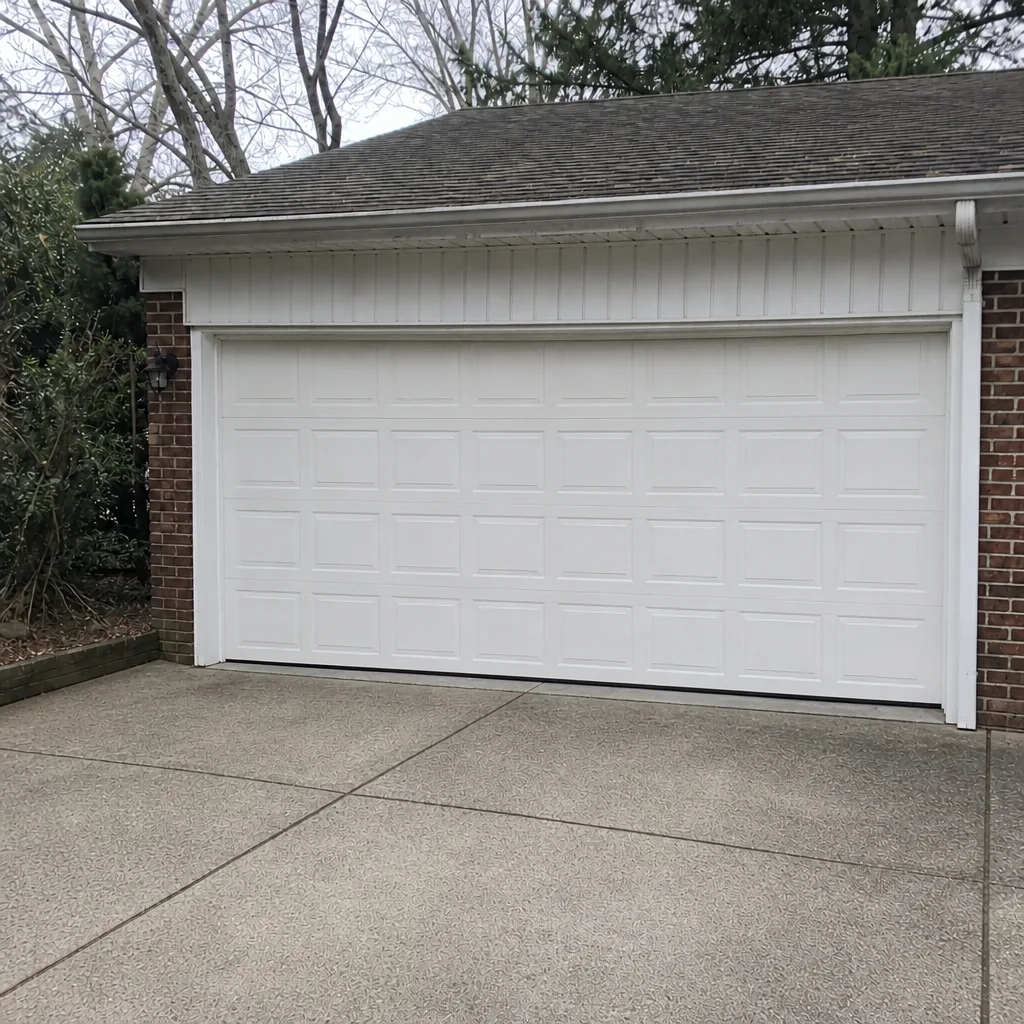
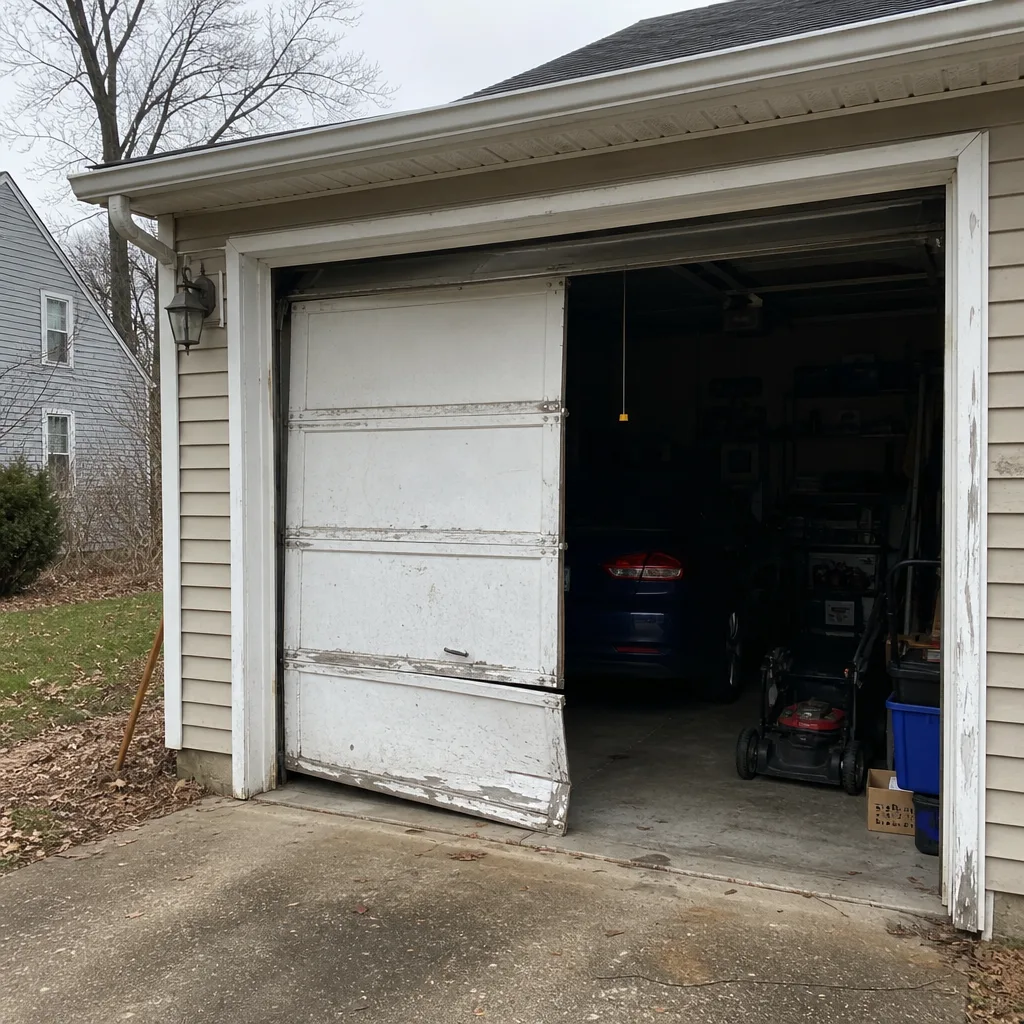
See the difference
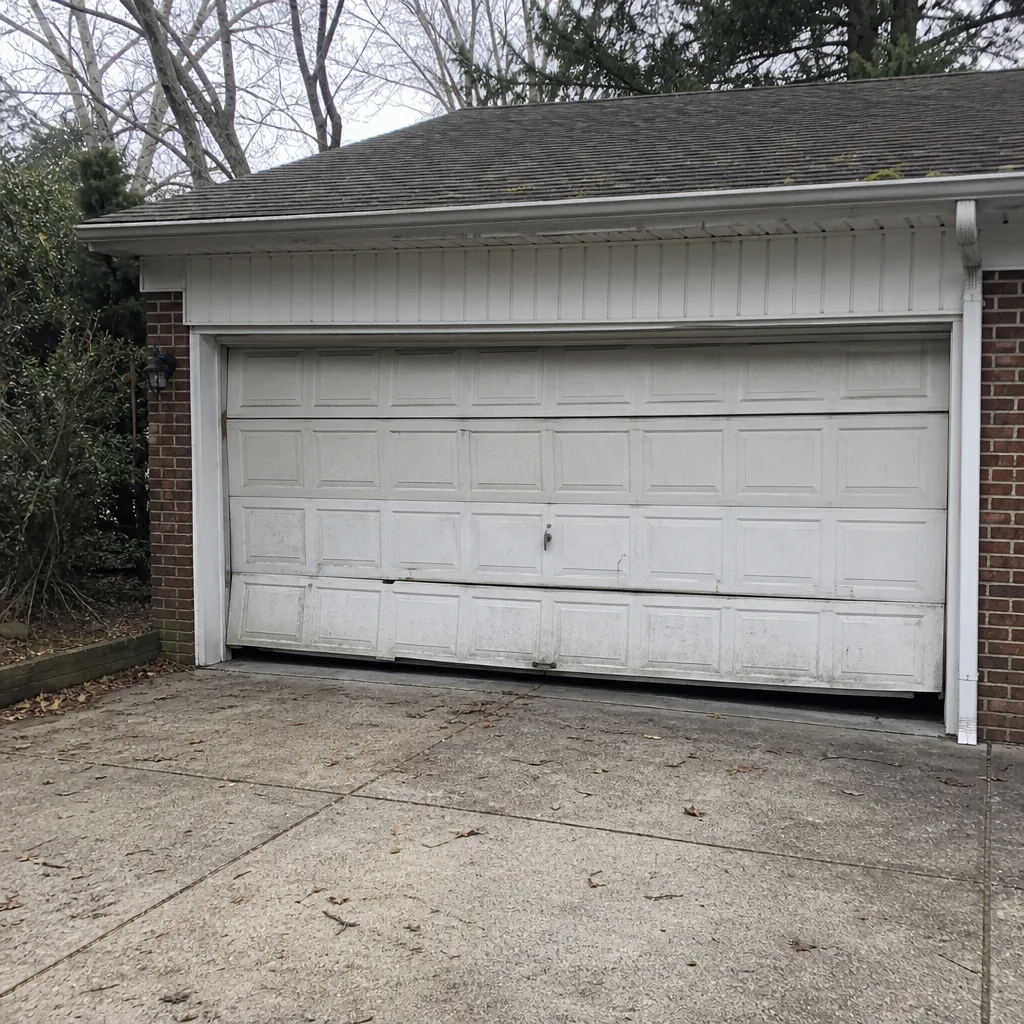 Before
 After
 Before
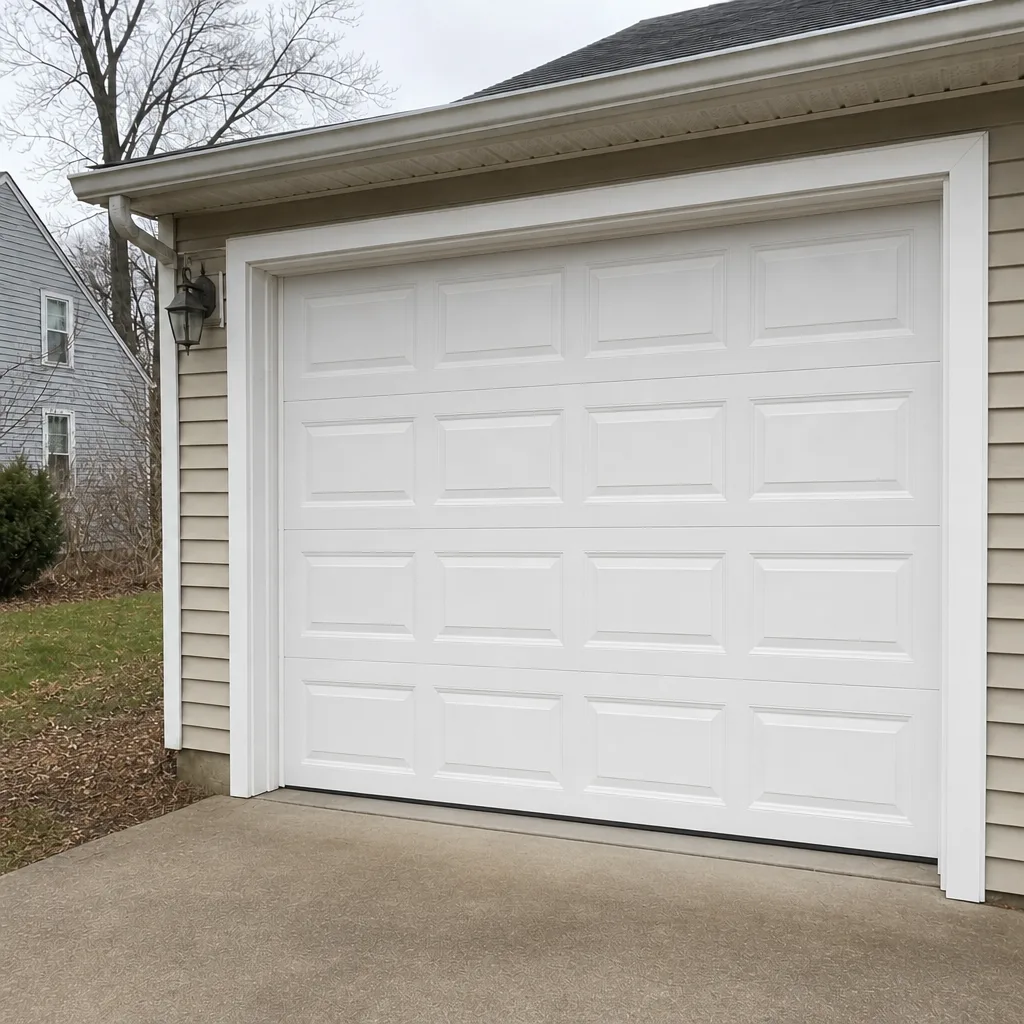 After
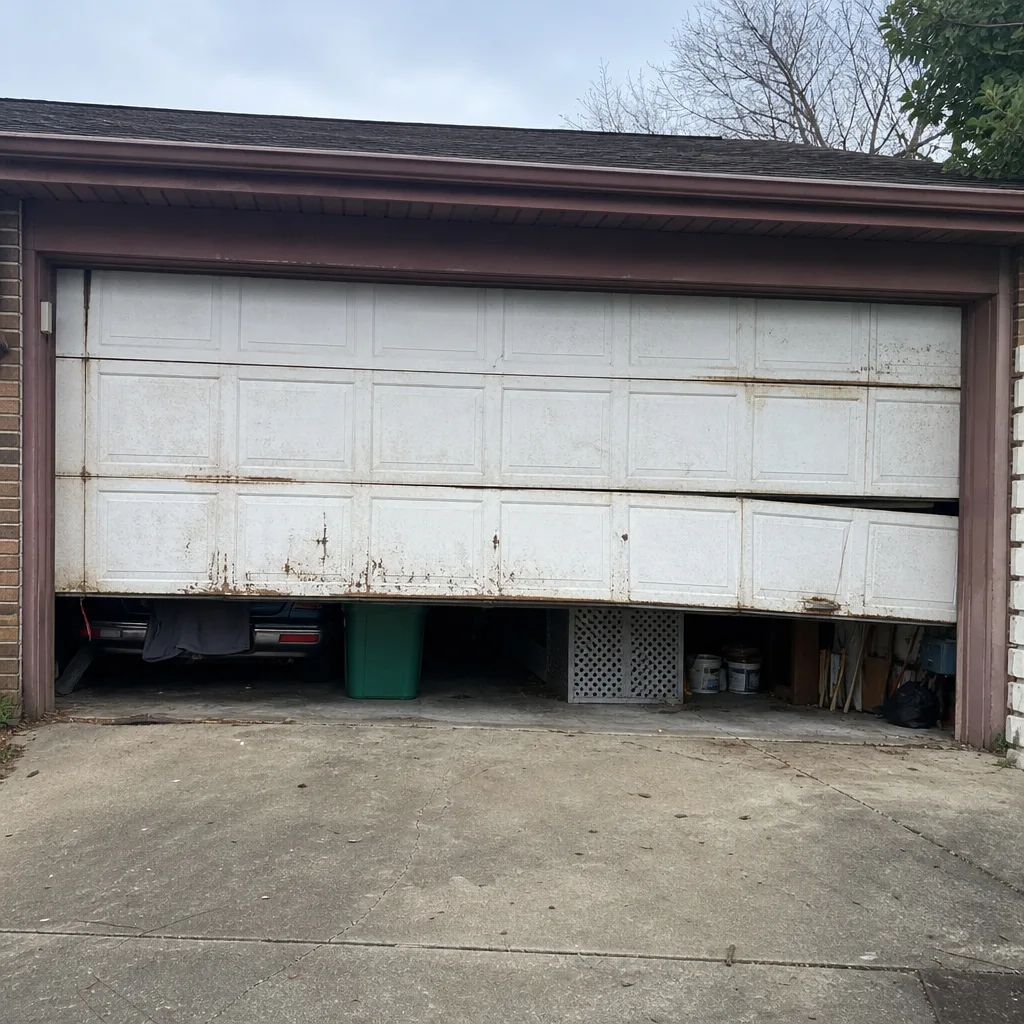 Before
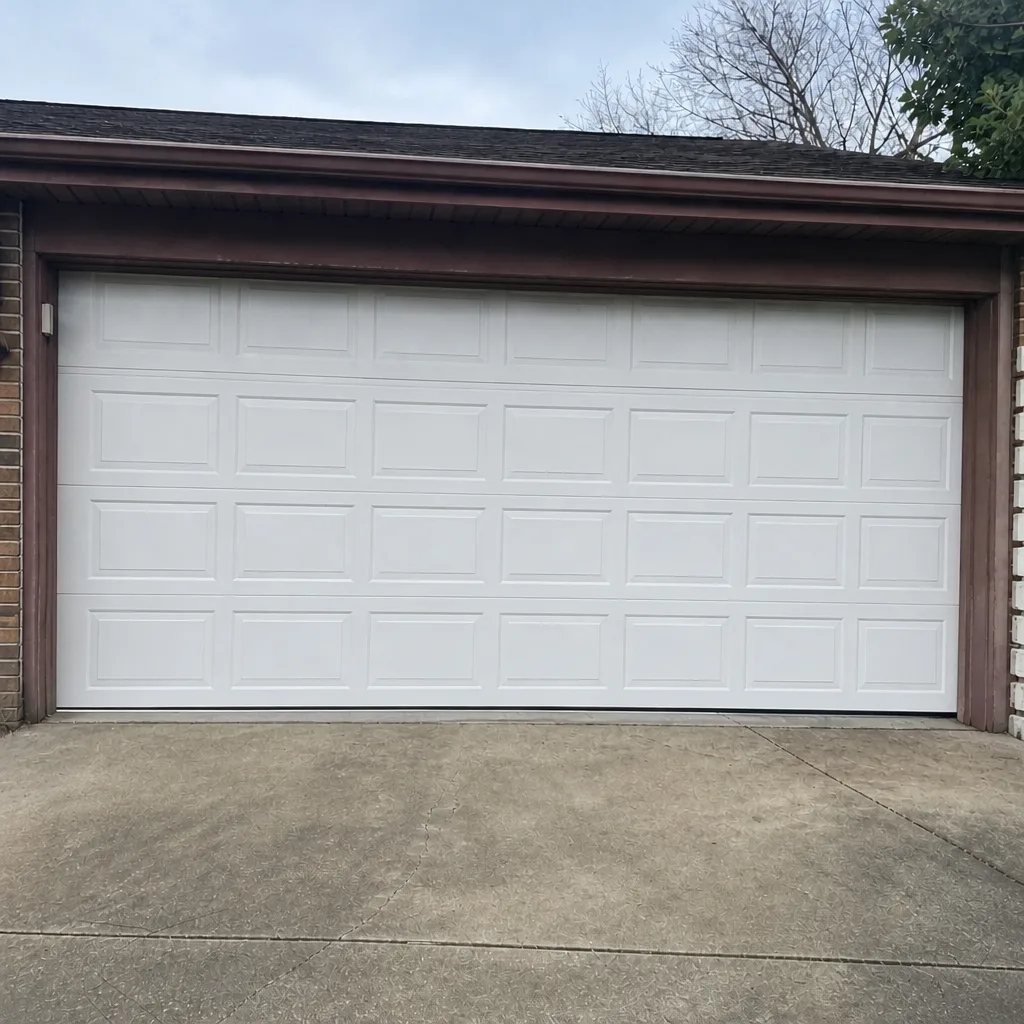 After
When to Call a Professional
Some seasonal checks are DIY-friendly, and some aren’t. Call a professional when the door won’t stay up, when it reverses for no clear reason, when you hear a snapping or popping sound, when a cable looks frayed, or when the opener strains or grinds. Those are signs of a spring, cable, or opener problem that needs a trained eye. In Annapolis, Annapolis Garage Door Repair offers free estimates and can walk through the whole system in one visit. Our technicians have up to 10 years of experience across LiftMaster, Chamberlain, Genie, Craftsman, Clopay, Amarr, Wayne Dalton, and Raynor equipment, so a brand mismatch is never a dead end. Call (844) 976-0297. We answer 24/7, with fast dispatch from 7am to 7pm, Sunday through Friday. The price is set by a written estimate before any work starts.
Frequently Asked Questions
Twice a year is the baseline: once in fall before the freeze-thaw season and once in spring after it. Add a summer humidity check if you have a wood door, and a storm-prep check in August if you’re near the water. A technician visit once a year covers the spring, cable, and opener inspection that a homeowner can’t safely do.
Frost heave is the usual cause. When the ground freezes and thaws, the concrete threshold can tilt, and the photo-eye sensors no longer line up. The door closes, the sensor trips, and the door reverses. Check the sensor alignment first, and if it’s off, get it fixed within about 48 hours before the opener’s gear takes the strain. Call (844) 976-0297 for a same-day visit.
No. Heavy grease on the tracks attracts grit, and grit wears the rollers. Leave the tracks clean and dry, and put a cold-rated silicone or lithium grease on the hinges, rollers, and spring coils only. In Maryland’s temperature range, that’s the lubricant that stays fluid from October through January.
Check the sensors and the bottom seal. Clear any ice or debris from the photo-eye lenses, and look for a gap under the bottom seal that would let cold air in. If the door won’t close, the sensor alignment is the first suspect. If the door feels heavy or won’t stay up, the spring is the problem, and that’s a call for a technician.
Yes. Tighten the hinges, confirm any reinforcement struts are bolted tight, and check the bottom weather seal. Clear the sensor lenses so storm debris doesn’t cause a false reversal. If you lose power, use the manual release cord to disengage the door, and lift it by hand only if it’s light enough. If it’s too heavy, the spring needs attention.
It usually is. A fall lubrication and balance check catches a stiff roller or a misaligned sensor before it becomes a spring or opener repair. The estimate is free, and the price is set before any work starts, so you know what you’re paying for. Call (844) 976-0297 to book a seasonal check.
The Bottom Line
Annapolis weather doesn’t punish a garage door the way extreme heat or heavy snow does elsewhere, but the freeze-thaw cycle and humid summers create a wear pattern that a generic checklist misses. Focus on cold-rated lubricant in fall, sensor alignment after frost heave in winter, a cable and drum inspection in spring, wood-door humidity control in summer, and storm prep in August. If something feels heavy, reverses unexpectedly, or makes a snapping sound, stop and call a technician. One call covers the whole system: opener, springs, panels, and installation. Call (844) 976-0297 for a free estimate. We answer 24/7, with fast dispatch from 7am to 7pm, Sunday through Friday.
Written by the team at Annapolis Garage Door Repair.