
Last updated November 23, 2026
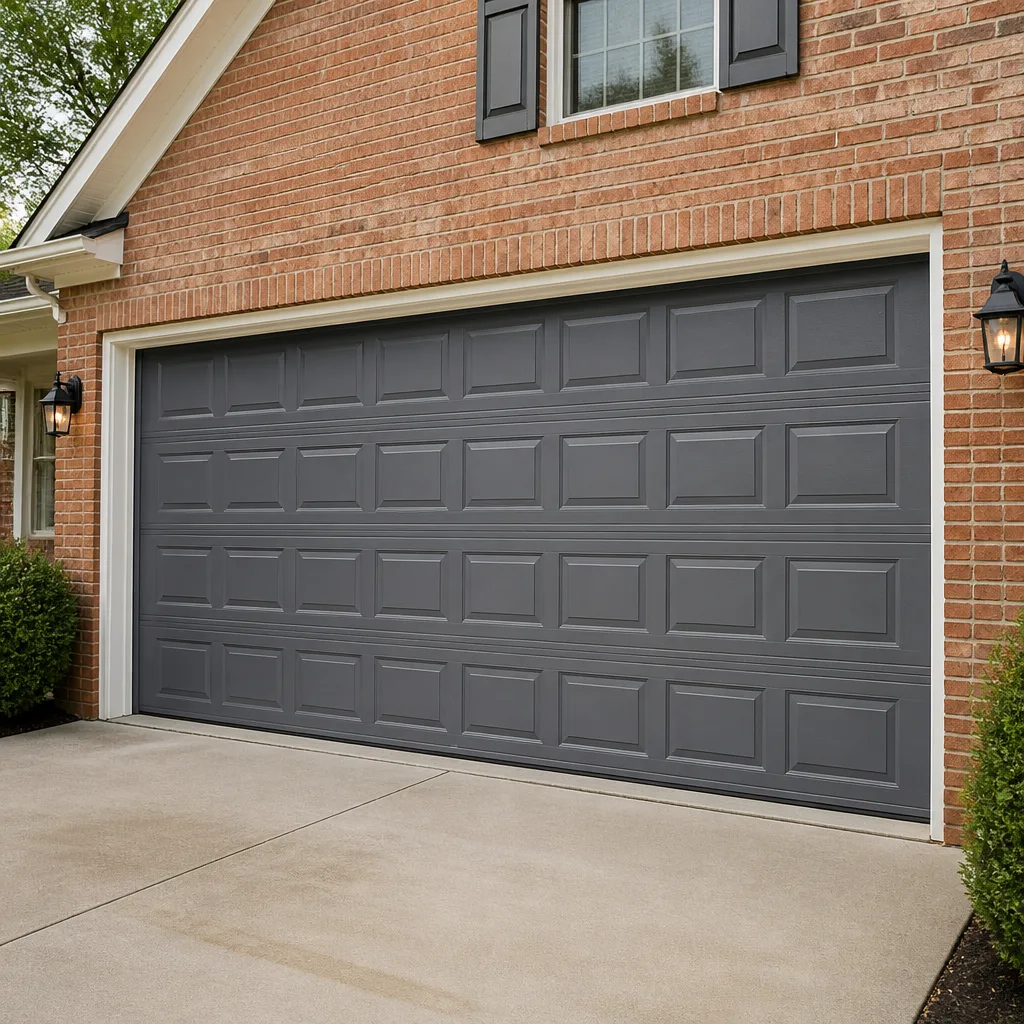 Raised-panel steel
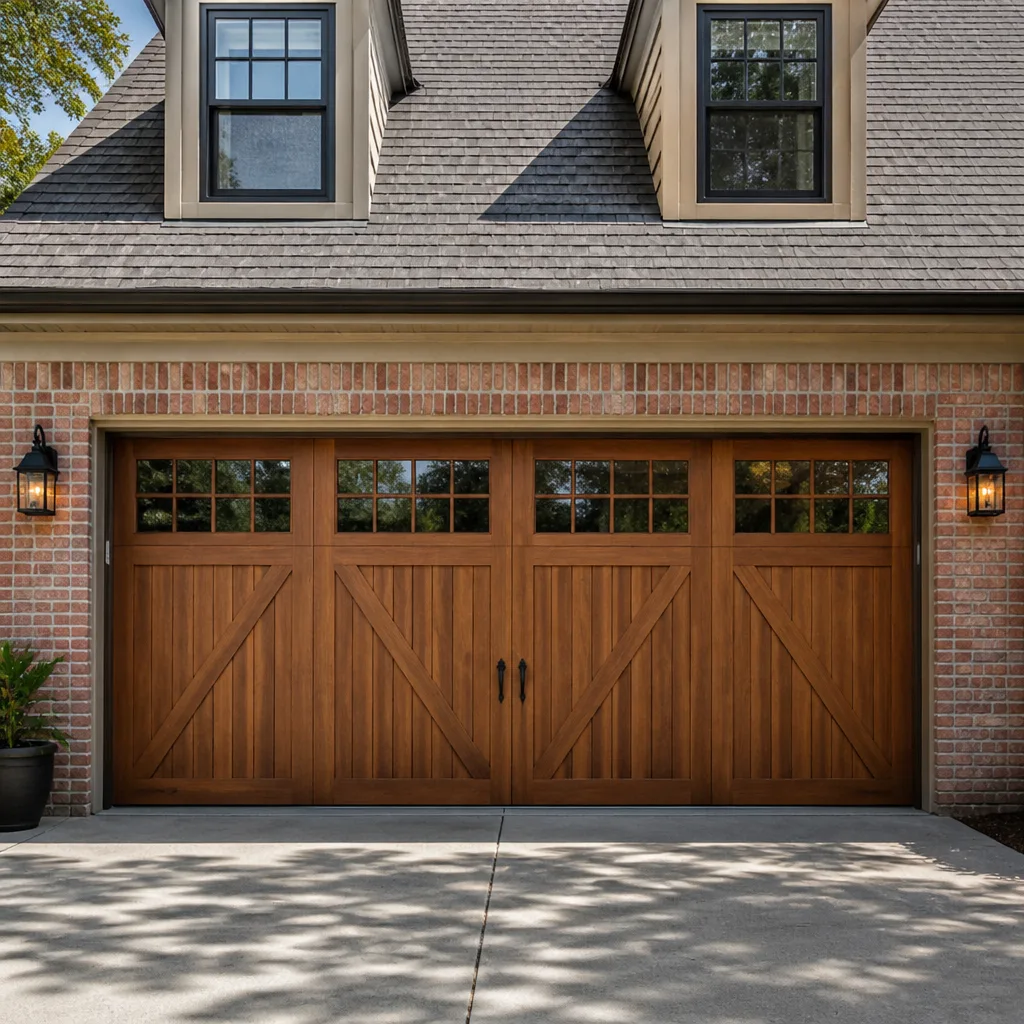 Carriage house
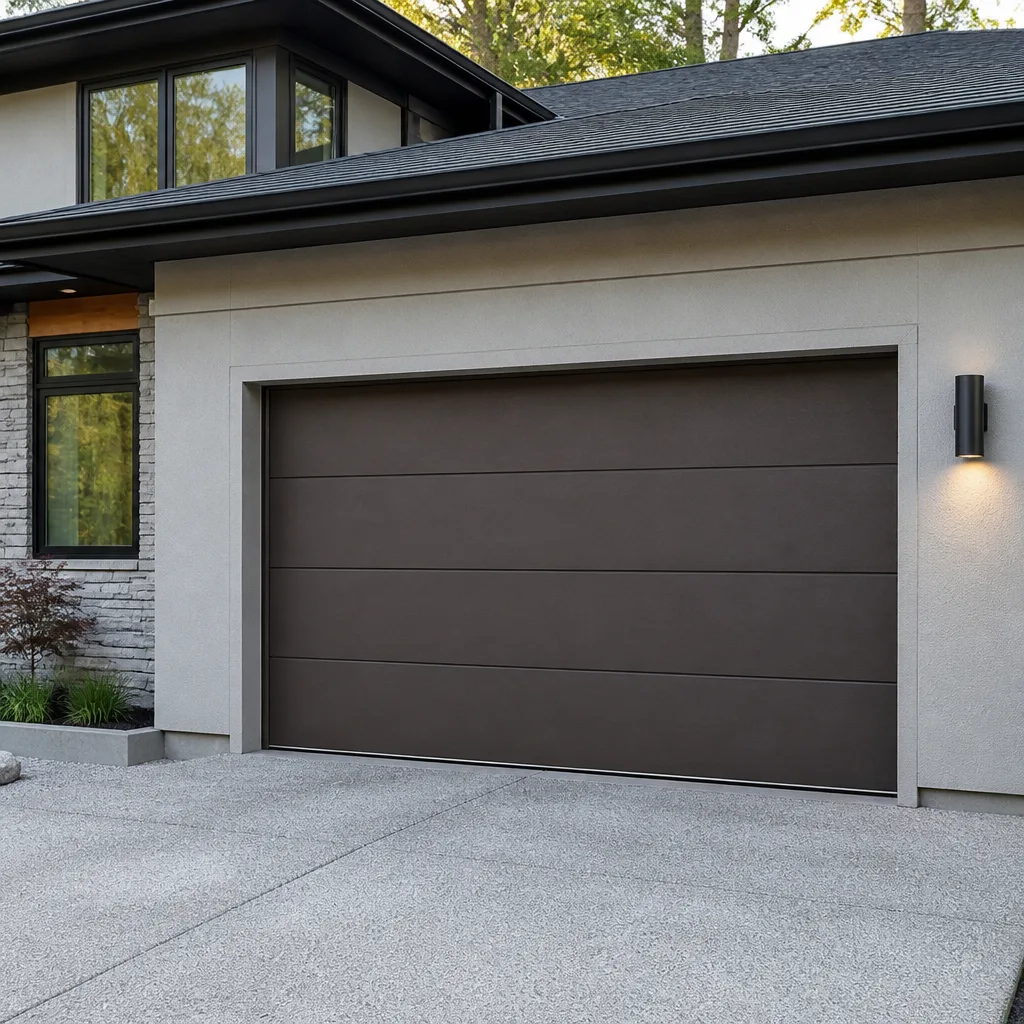 Modern flush
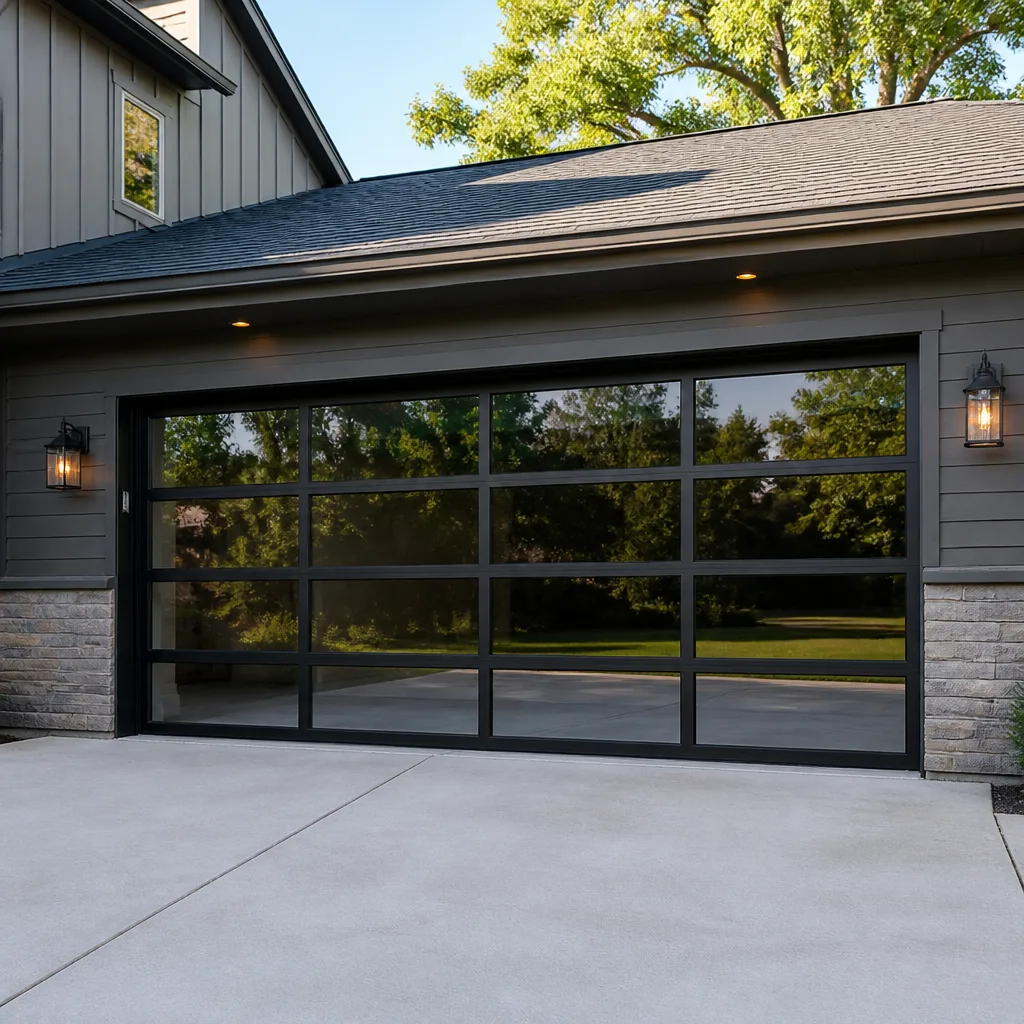 Full-view glass
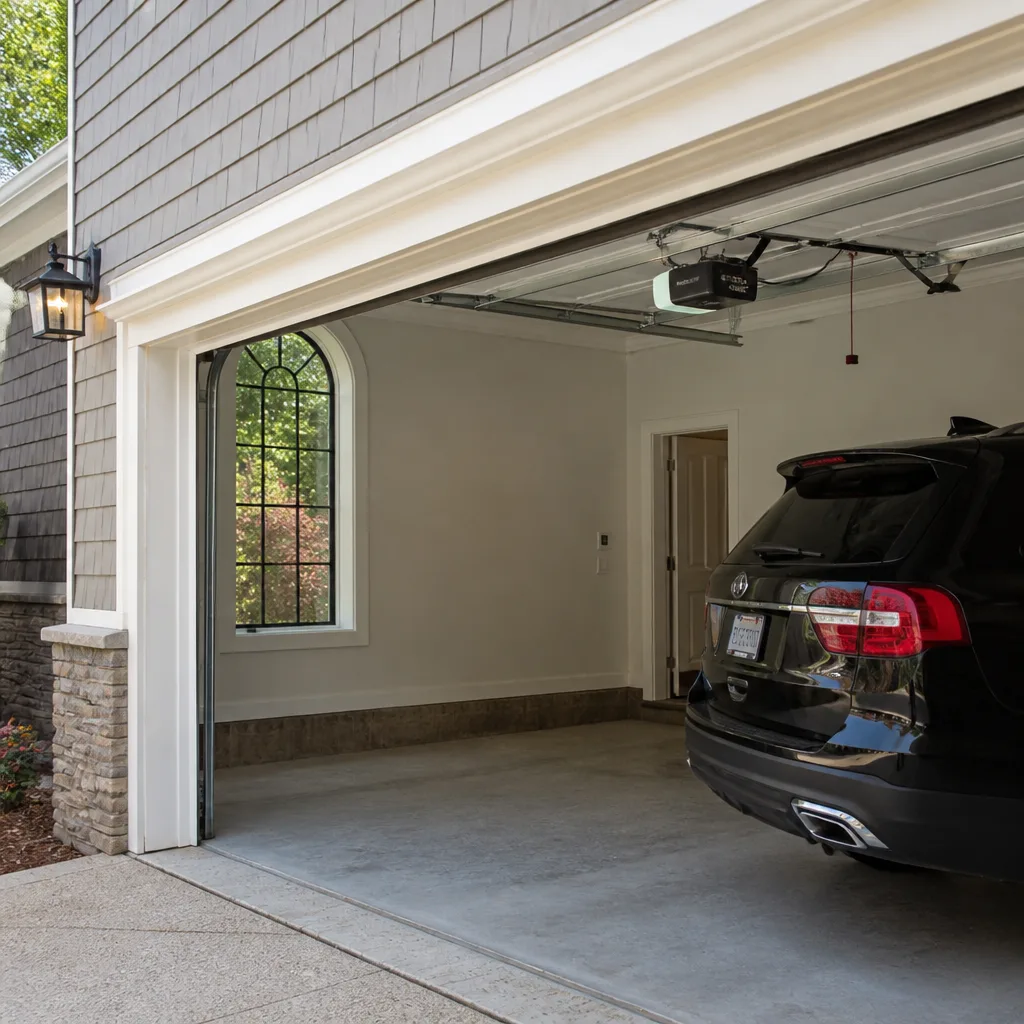 LiftMaster openers
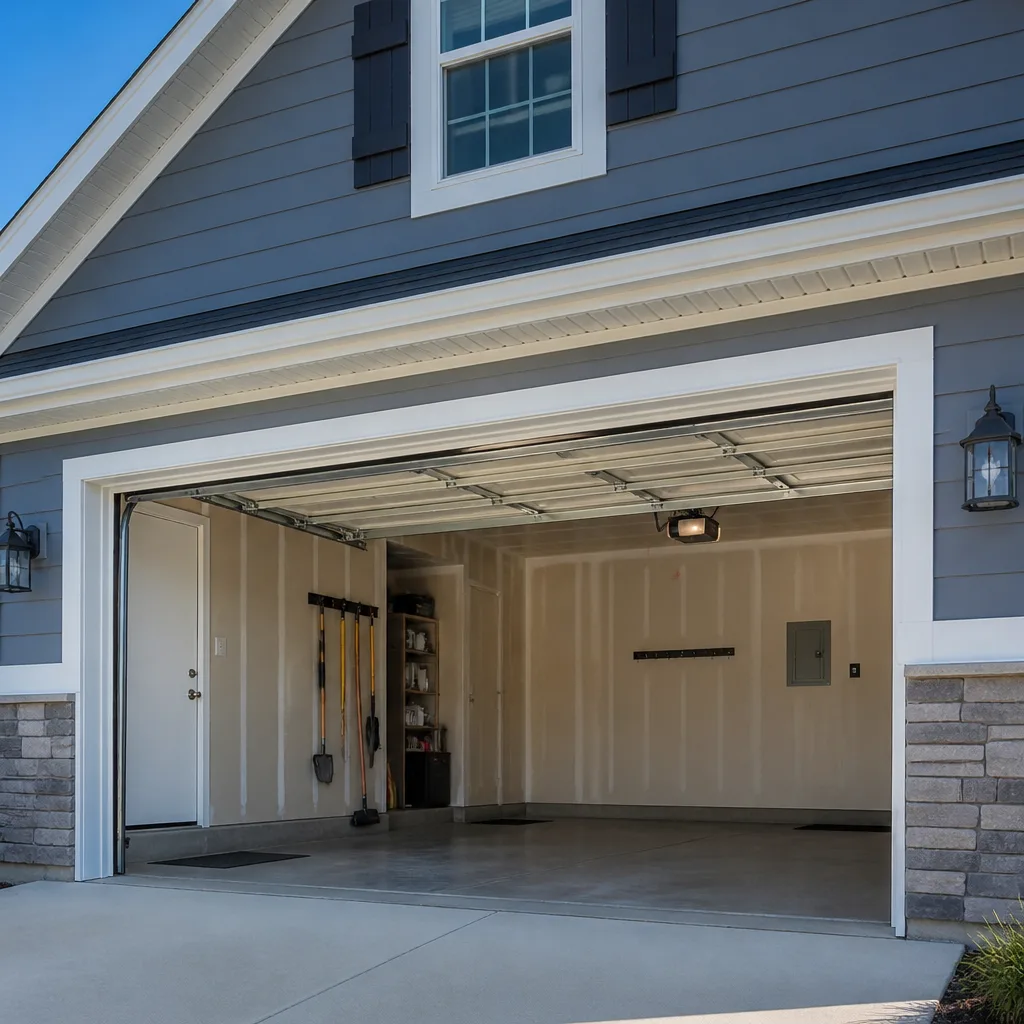 Chamberlain openers
Full 25-point door and opener safety check with every visit - springs, cables, rollers, tracks, and your LiftMaster or Chamberlain opener included
You get a price before we start. It does not change when the pro arrives.
Get your free estimateThe Complete Guide to Garage Doors in Annapolis
Most garage door guides are written for a country that doesn’t exist. They assume a flat, dry climate, a standard 16-foot opening, and a house built last decade. Annapolis is none of those things. The city’s housing stock runs from 1960s Capes in Eastport to new townhomes in Parole, and the openings, hardware, and humidity those doors face vary just as much. A guide that treats every zip code the same will sell you the wrong door, the wrong spring coating, and the wrong insulation for a Maryland summer. This guide treats your address as a variable. By the end, you’ll know how to read your own opening, choose materials that survive Chesapeake humidity, spot the local rules that restrict what you can install, and decide when a repair is worth it versus a full replacement.
Quick Answer
Garage doors in Annapolis need to handle humid summers, a mixed-humid climate, and a wide range of home ages, so the right choice depends on your opening size, your door material, and your neighborhood’s rules. Most homeowners here do best with an insulated steel door, galvanized or coated hardware, and a spring system rated for the door’s actual weight. If your door is failing, spring repair or garage door repair usually solves the problem faster and cheaper than replacement. We answer 24/7 at (844) 976-0297, with fast dispatch from 7am to 7pm, Sunday through Friday.
Styles & brands we work with
- Raised-panel steel
- Carriage house
- Modern flush
- Full-view glass
- LiftMaster openers
- Chamberlain openers
Table of Contents
- How Annapolis Climate Affects Your Garage Door
- Non-Standard Openings in Older Annapolis Neighborhoods
- Which Insulation R-Value Actually Matters in Maryland
- Brand Availability and Parts in the Annapolis Market
- HOA and Historic District Rules
- Springs, Cables, and the Repair That Matters Most
- Choosing and Diagnosing an Opener
- Repair or Replace? A Decision Framework
How Annapolis Climate Affects Your Garage Door
Annapolis sits in a mixed-humid climate, which means your garage door spends the year cycling through damp springs, hot and muggy summers, and winters cold enough to freeze standing water. That cycle is harder on door hardware than steady dry heat or steady cold. Humidity is the real problem, not temperature. Maryland’s summer air holds a lot of moisture, and a garage that isn’t conditioned traps it. Metal parts that stay damp and then dry out, over and over, are the parts that rust first, and they rust from the inside of the joint where you can’t see it until the paint blisters.
The parts most affected, in rough order:
- Bottom seals and weatherstripping. Rubber and vinyl seals crack and stiffen faster in humid heat. A failed bottom seal lets water and pests in, and it also throws off the door’s seal against the frame.
- Hinges and rollers. Steel hinges and roller stems are the first hardware to show surface rust. Nylon rollers resist corrosion better than steel.
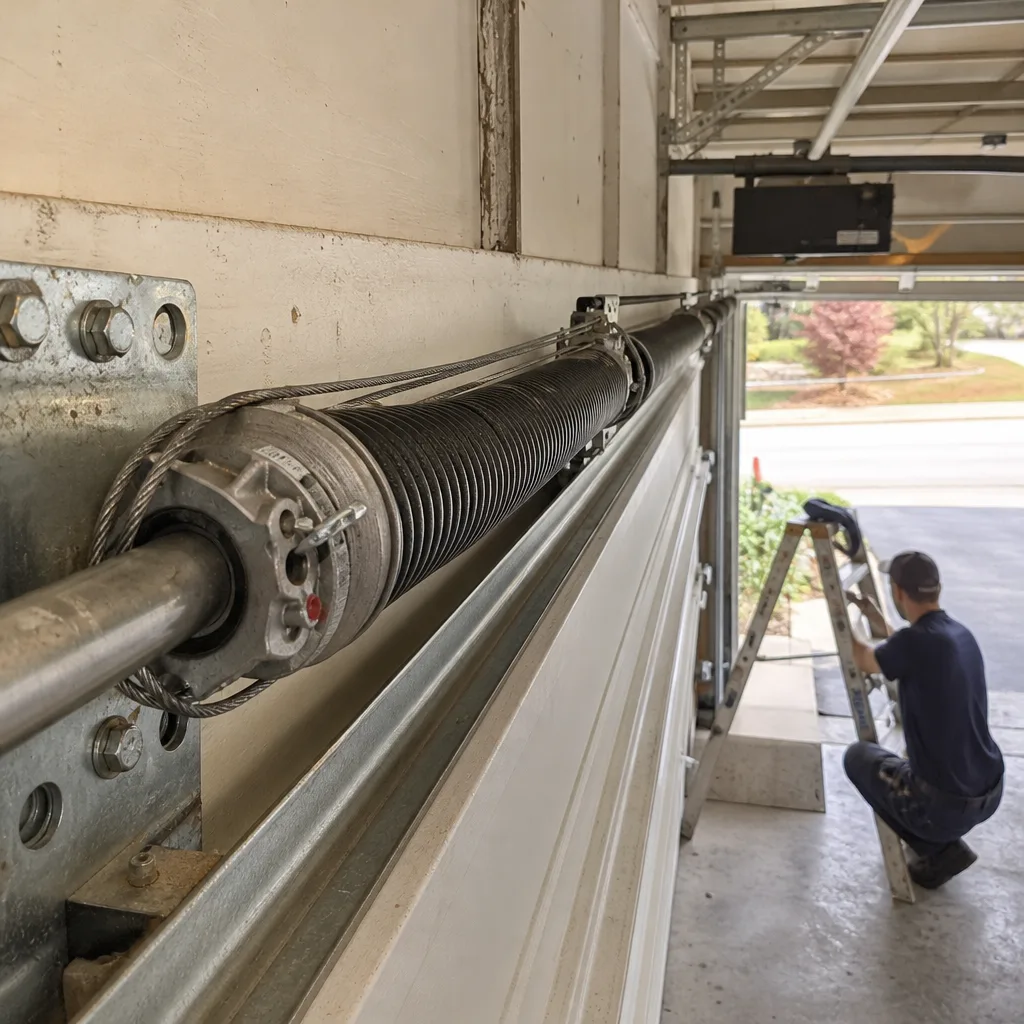
- Torsion springs. Bare oil-tempered springs corrode in damp air. A powder-coated or galvanized spring lasts longer here than an uncoated one, and the coating is worth asking about specifically.
- Section seams and the bottom section. The bottom panel takes splash and ground moisture. Steel with a factory-applied finish and a proper bottom seal holds up far better than an uncoated or poorly sealed door.
- Track and fasteners. Galvanized track and coated fasteners are the low-cost upgrade most homeowners skip.
What holds up: galvanized or powder-coated steel hardware, nylon rollers, aluminum or composite bottom sections, and a door finish that’s factory-applied rather than field-painted. What doesn’t: bare steel hardware, untreated wood bottom sections, and any door installed without a working bottom seal. Wood doors can do well in Annapolis if they’re finished and maintained properly, but they demand more attention than steel. If you’re noticing rust on hardware or a door that binds in humid weather, that’s a sign to have it looked at rather than ignored.
Non-Standard Openings in Older Annapolis Neighborhoods
Before you get a single quote, measure your opening. Annapolis’s older neighborhoods, especially around Eastport, Murray Hill, and the streets close to the Historic District, are full of garages that were never built to a modern standard width. A 1960s Cape Cod might have a single-car opening that’s narrower or shorter than the modern spec. A converted carriage house might have a height that no off-the-shelf door is built for. A newer townhome in Parole will usually measure standard. The difference matters because standard doors are cheaper and quicker to get, and non-standard doors are built to order.
Here’s how to tell what you have:
- Measure the clear opening width at the widest point, inside the frame, at the floor.
- Measure the clear opening height from the floor to the bottom of the head jamb.
- Measure the headroom above the door, from the top of the opening to the ceiling or the lowest obstruction.
- Measure the side room on each side of the opening, from the frame to the nearest wall or obstruction.
- Note the depth of the garage behind the door, since a low headroom or short depth changes which door and track system you can use.
Write those four numbers down and keep them. A quote built without them is a guess. If your opening is narrower than standard, or the headroom is tight, expect a made-to-order door and a longer lead time. That’s normal here. It’s also the single biggest reason a homeowner in Annapolis gets surprised by a quote that comes back higher than the one they saw online for a “standard” door.
Which Insulation R-Value Actually Matters in Maryland
Insulation advice written for Minnesota or Arizona will steer you wrong in Maryland. Annapolis doesn’t need maximum R-value for extreme cold. It needs a door that handles a mixed-humid climate, where the bigger issue is condensation and heat gain in summer, not deep-freeze loss in winter. A door with a very high R-value can still perform poorly here if it’s installed without a proper seal, because humid air finds its way past a bad seal regardless of what’s inside the panel.
What to prioritize, in order:
- A proper perimeter seal and bottom seal first. Insulation can’t outperform a door that doesn’t seal. This matters more in Annapolis than the R-value number.
- A moderate R-value appropriate for a mixed-humid climate. An insulated door is worth having if the garage shares a wall with living space, or if you use the garage as a workshop or gym. If your garage is detached and unheated, the insulation is more about noise and sturdiness than heat loss.
- An insulated core that resists moisture. Polyurethane or polystyrene cores inside a steel skin handle humid air better than a door with exposed or untreated interior surfaces.
- Section thickness and sturdiness. A thicker, better-braced door runs quieter and lasts longer, which is a bigger deal here than chasing the highest R-value on the label.
The honest answer for most Annapolis homeowners: an insulated steel door with a solid seal is the right call. Chasing the highest R-value available is not, unless the garage is conditioned living space. Ask what the door’s insulation is made of and how the door seals at the top, bottom, and sides before you compare R-values at all.
Brand Availability and Parts in the Annapolis Market
Brand matters less than whether parts are available when something fails. A door or opener built by a manufacturer with local parts availability gets fixed faster than one that requires an order. In the Annapolis market, the brands we work with most often because parts and service are straightforward include LiftMaster and Chamberlain for openers, and Clopay and Amarr for doors. We work on Craftsman and Raynor systems as well. What matters is that whoever comes out can diagnose your specific unit rather than guess.
A quick way to think about it:
- Openers (LiftMaster, Chamberlain, Genie, Craftsman): parts are generally easy to source. The diagnostic question is circuit board and drive type, not brand.
- Doors (Clopay, Amarr, Wayne Dalton, Raynor): panel and hardware availability varies by model and by age. A current-model door is easy to source parts for. A discontinued model may require a compatible substitute or a partial replacement.
- Smart openers: worth choosing a brand with a solid local service path, because a smart opener that loses connectivity is only useful if someone can actually service the board and the app setup.
The practical takeaway: ask about parts availability before you commit to a door or opener model, not after it fails. If you’re replacing an opener and want to keep your existing remote setup, tell the installer up front. It’s also worth asking whether the technician can work on your door hardware and your opener brand under one call, because a door problem and an opener problem often show up together.
HOA and Historic District Rules
Annapolis has overlay rules that can restrict what door you’re allowed to install. The most significant are in the Historic District, where door style, material, and sometimes color are subject to review. If you’re in or near the Historic District, or in a neighborhood with a homeowners association, check before you order. A door that’s perfect for the house can still be a door you aren’t allowed to keep.
What to check and how:
- Confirm whether your property is in a historic district or an HOA with architectural review. Your city or county planning office can tell you which overlay applies.
- Get the design guidelines in writing before you shop. They typically address door style, panel configuration, material, and color.
- Submit for approval before you order a custom or made-to-order door, because a rejected door that’s already been built is an expensive door.
- Keep the approval with your project paperwork. It’s useful if you sell the house.
Outside the Historic District, most Annapolis neighborhoods have no restriction beyond ordinary permitting, but some cities require a permit for structural work around the opening. Ask your city’s building department directly rather than assuming. The cost of asking is a phone call. The cost of skipping it is a door you have to remove.
Springs, Cables, and the Repair That Matters Most
Springs are the part of your garage door that will hurt you if you treat them casually. They store enormous energy, and a torsion spring or a cable under tension can cause serious injury if it’s handled without the right tools and the right knowledge. This is not a repair to attempt yourself, and we say that plainly. Our technicians have up to 10 years of experience with spring work, and it’s a core service line for us, not an upsell. If your door has a snapped spring, a loud bang from the garage, or a door that won’t lift more than a few inches, the spring is usually the cause. For that, see garage door spring repair.
What a spring repair actually involves:
- Identifying the spring type. Torsion springs mount above the door on a shaft. Extension springs run along the sides. Each has a different failure mode and a different fix.
- Measuring the door’s weight and the spring’s cycle rating. A replacement spring has to be matched to the door, not guessed.
- Replacing springs in matched pairs. If one spring in a pair has failed, the other has taken the same wear. Replacing one and leaving the other is how you end up back on the phone in a few months.
- Checking cables, drums, and the bottom bracket while the door is apart, because those parts carry the same load.
- Re-balancing the door and testing the safety reverse. A door that lifts but doesn’t balance will wear out the opener next.
Cables deserve their own warning. A cable under tension can fail suddenly, and the bottom bracket it attaches to is under load even when the door is down. We don’t advise homeowners to touch either. If you’re hearing a bang, seeing a gap in the spring, or the door is hanging crooked, stop using the door and get it looked at.
Choosing and Diagnosing an Opener
When a door won’t open, the opener is often the first suspect and the wrong one. A weak opener can be a symptom of a door that’s out of balance, a failing spring, or a misaligned track. Diagnosing the opener before checking the door is how homeowners end up replacing a perfectly good opener. We work on LiftMaster, Chamberlain, Genie, and Craftsman openers and diagnose by drive type and circuit board, which shortens the call and cuts down on return visits. That’s part of garage door opener repair.
How to narrow it down before you call:
- Pull the manual release and lift the door by hand. If it’s heavy or binds, the problem is the door or springs, not the opener.
- Check whether the opener runs but the door doesn’t move. That points to a stripped gear, a broken drive belt or chain, or a released trolley.
- Check whether the opener is silent. That points to power, the logic board, or the safety sensors.
- Check the safety sensors. A misaligned or dirty sensor stops the door from closing and looks like a dead opener.
- If the opener is old and the door is new, or the door is heavy and the opener is small, the mismatch may be the root cause.
For openers, the smart move is to have the door and the opener checked together. A door that needs a spring and an opener that’s near the end of its service life are two problems that are cheaper to solve in one visit than two.
Repair or Replace? A Decision Framework
Most homeowners facing a garage door decision ask the wrong question first. The question isn’t “is this door old?” It’s “what’s the condition of the door, the springs, and the opener, and which of those is close to the end of its life?” A door can look fine while the springs are on their last cycles. An opener can be running while the door it’s lifting is out of balance. Decide on condition, not age alone.
A framework that works:
- Repair when the door itself is sound and the failure is one component: a spring, a cable, an opener, a roller, a hinge, or a panel.
- Repair with a plan when the door is sound but the opener is old. Replace the opener now and budget for the door later.
- Replace when the door panels are rusted through, the door is out of balance after a repair, or the repair cost approaches the cost of a new door. Replacement is also the right call when you’re changing the opening size, the insulation, or the look of the house.
- Replace rather than patch when the door model is discontinued and the part you need is a workaround, not a match.
Installation here is measured, ordered, and scheduled, not same-day work. A free measure and a written price come first, and the written estimate is the price. If you’re weighing repair against replacement, a professional can tell you which components are near the end of their life and which are fine, so you don’t replace a door that only needs a spring. For new doors, see Annapolis garage door repair for the full range of what we handle.
Common Mistakes to Avoid
- Ordering a door before measuring the opening. Non-standard widths and tight headroom are common in Annapolis’s older neighborhoods. Measure first, order second, or you’ll pay for a door that doesn’t fit.
- Replacing one spring of a matched pair. The other spring has the same wear. Replacing one is a short-term fix that ends in a second repair.
- Blaming the opener for a door problem. A heavy or binding door will stall a healthy opener. Check the door by hand before you assume the opener failed.
- Skipping the HOA and historic review. In or near the Historic District, the style and material of your door may be restricted. Get approval before you order, not after.
- Choosing a door on R-value alone. In a mixed-humid climate, the seal matters more than the insulation number. A high-R door with a bad seal underperforms a moderate-R door with a good one.
- Ignoring the bottom seal and hinges. These are the first parts to fail in Annapolis humidity, and they’re inexpensive to replace before they let water in.
- Picking a brand without checking parts availability. A door or opener you can’t get parts for becomes expensive to service. Ask about parts before you commit.
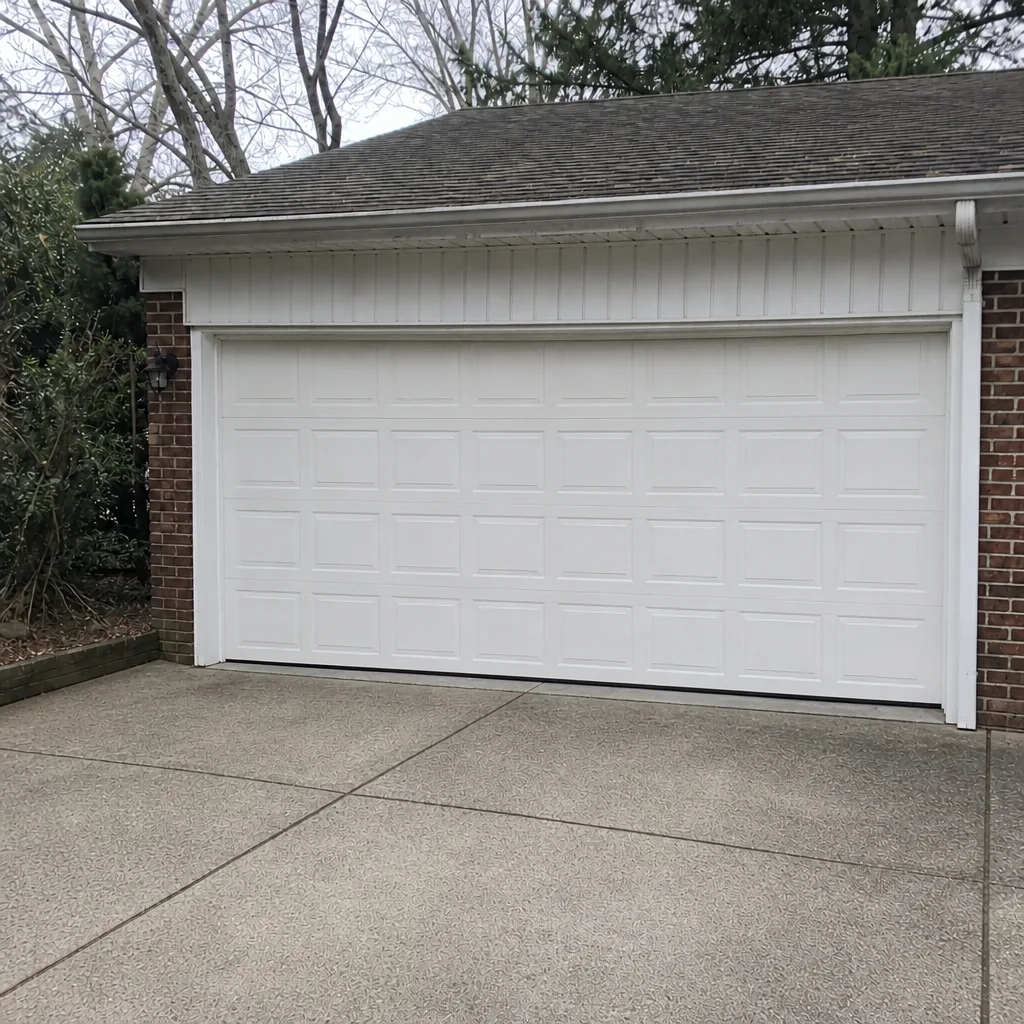
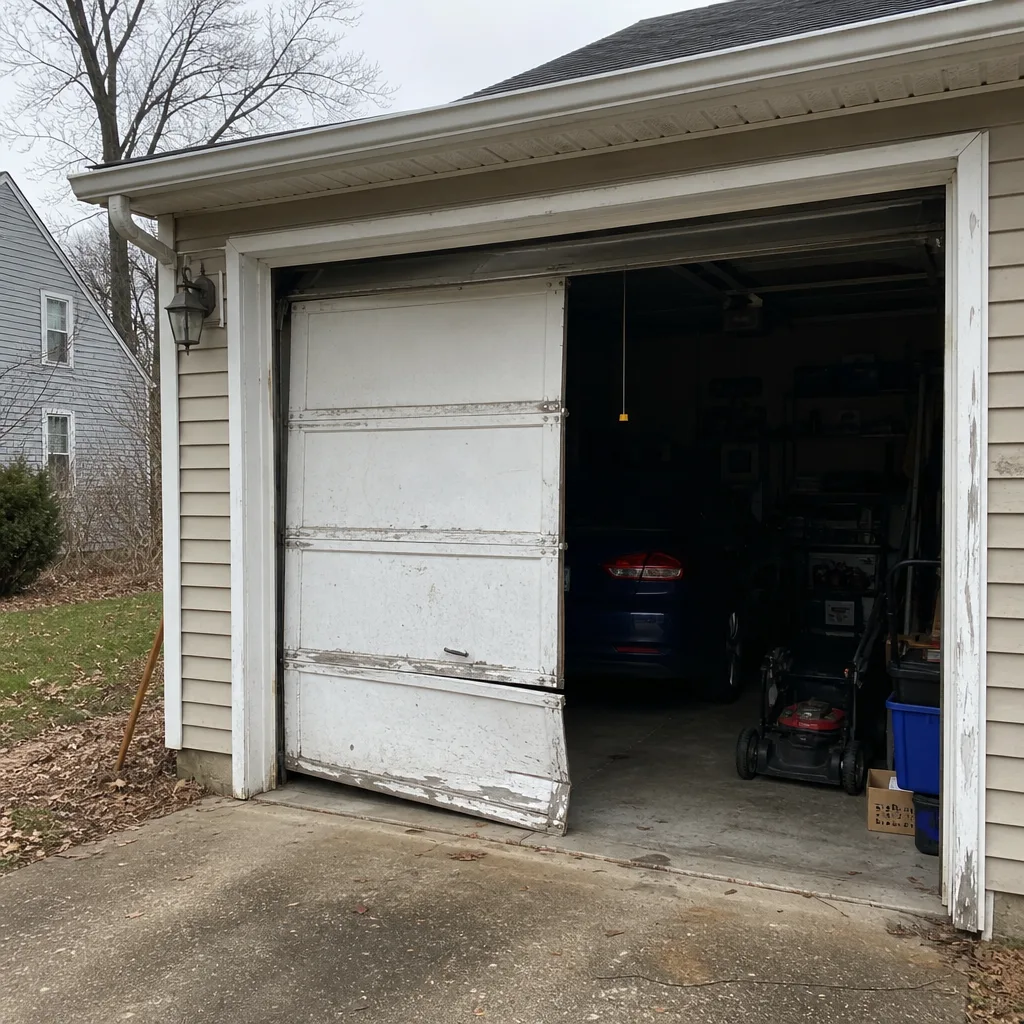
See the difference
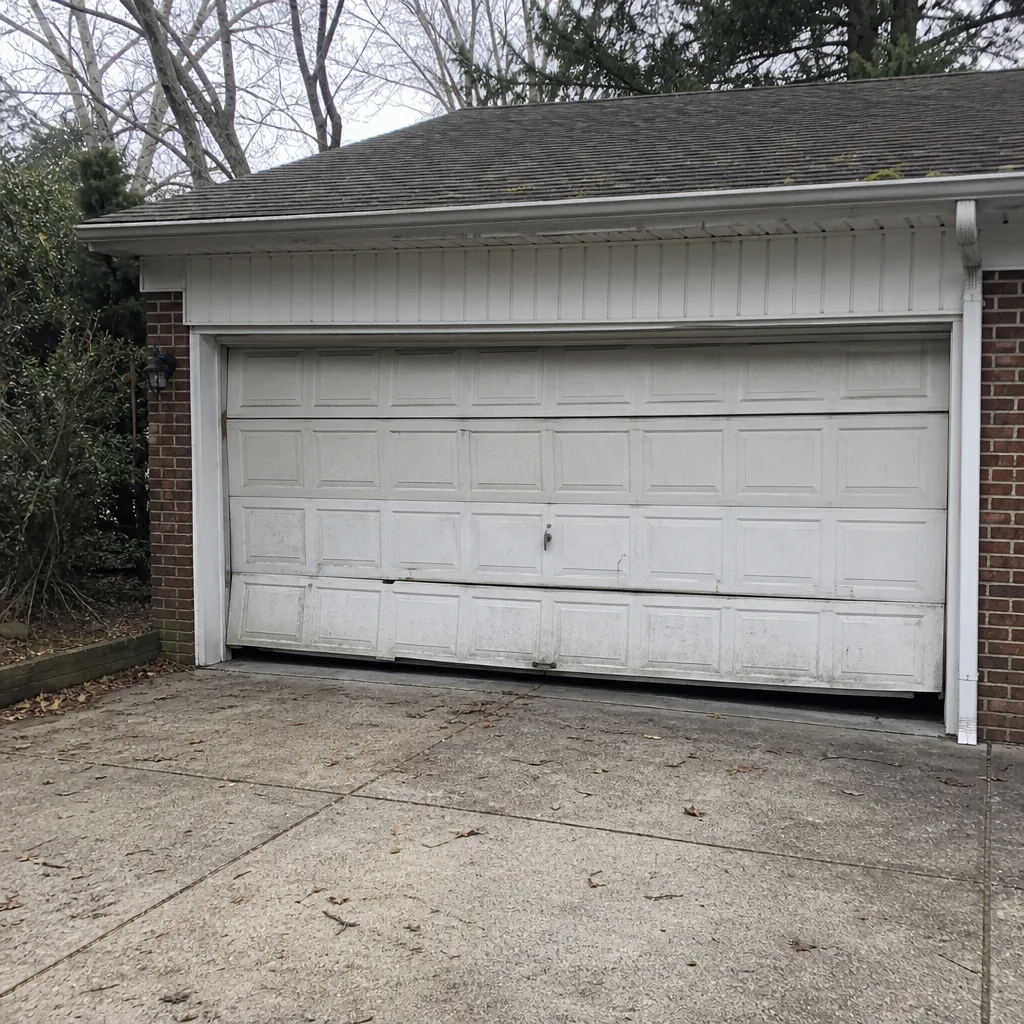 Before
 After
 Before
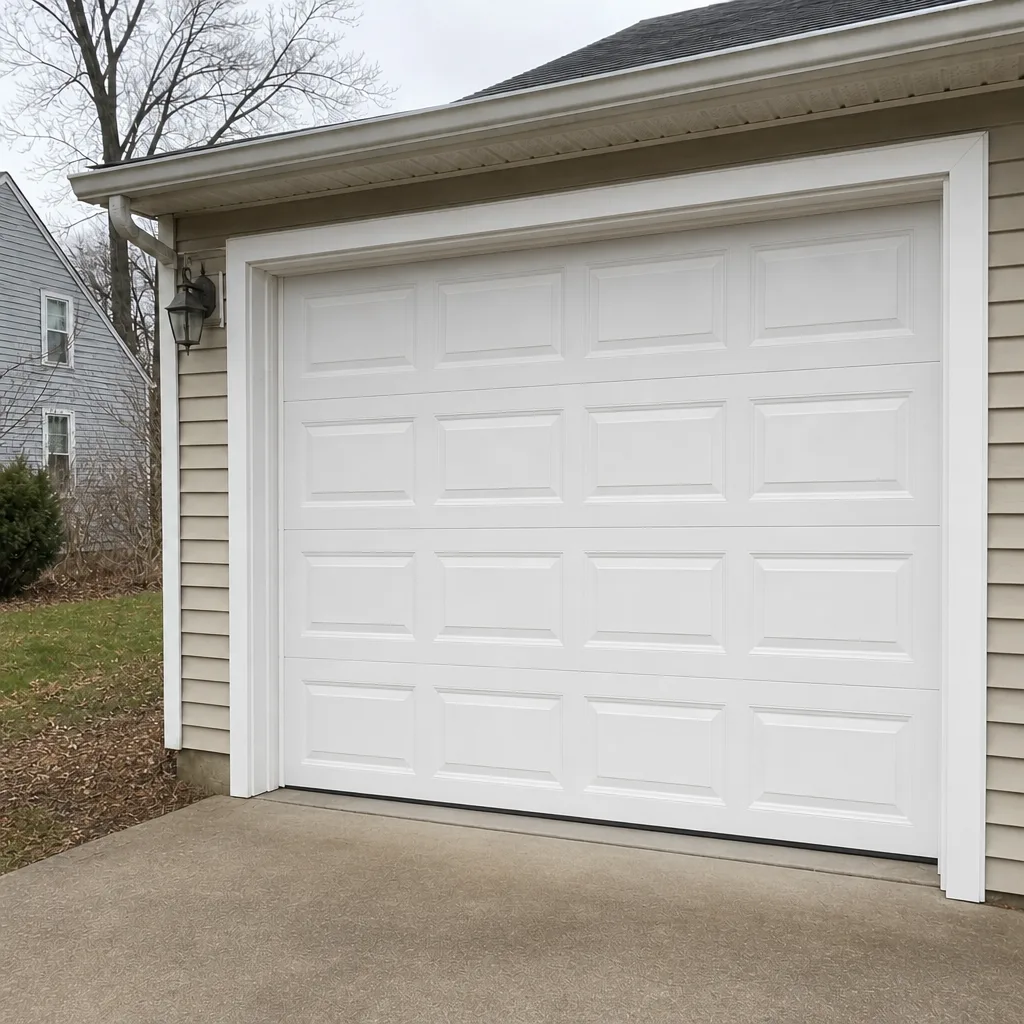 After
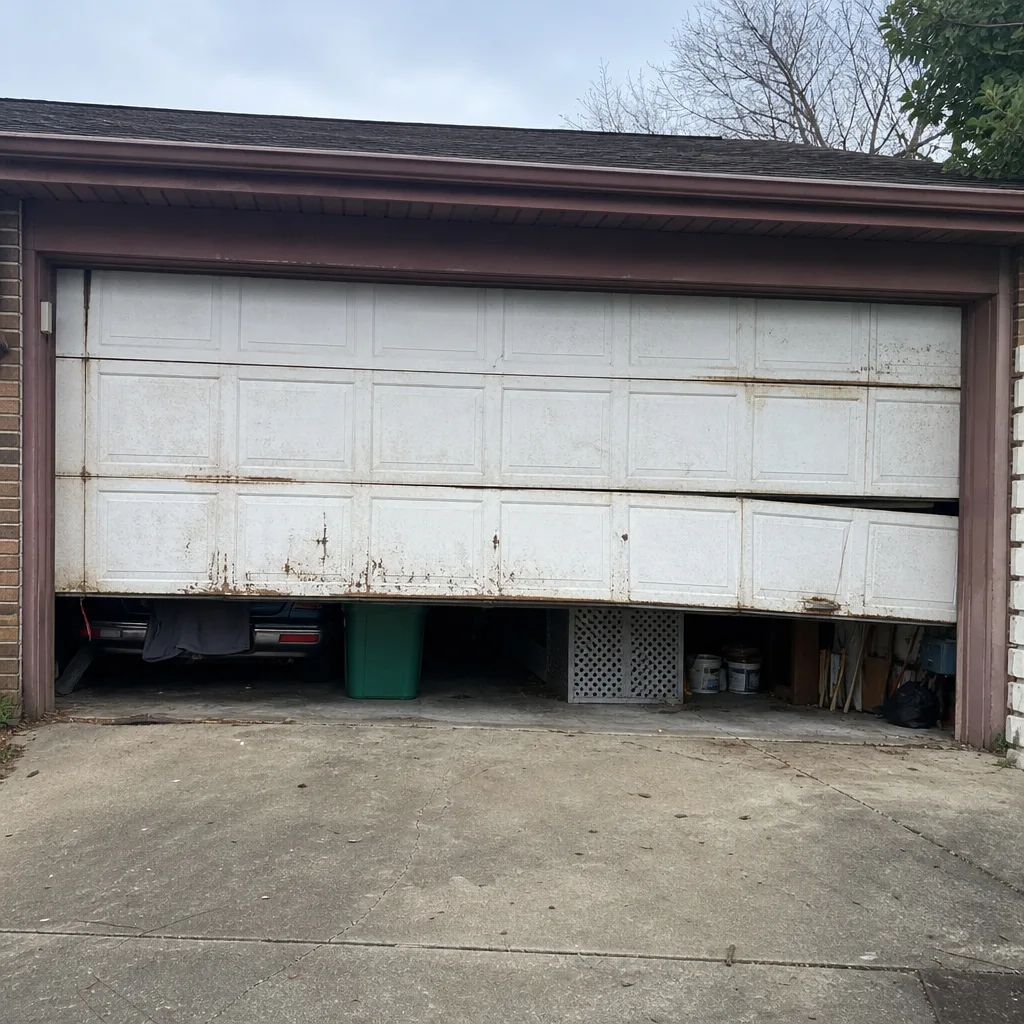 Before
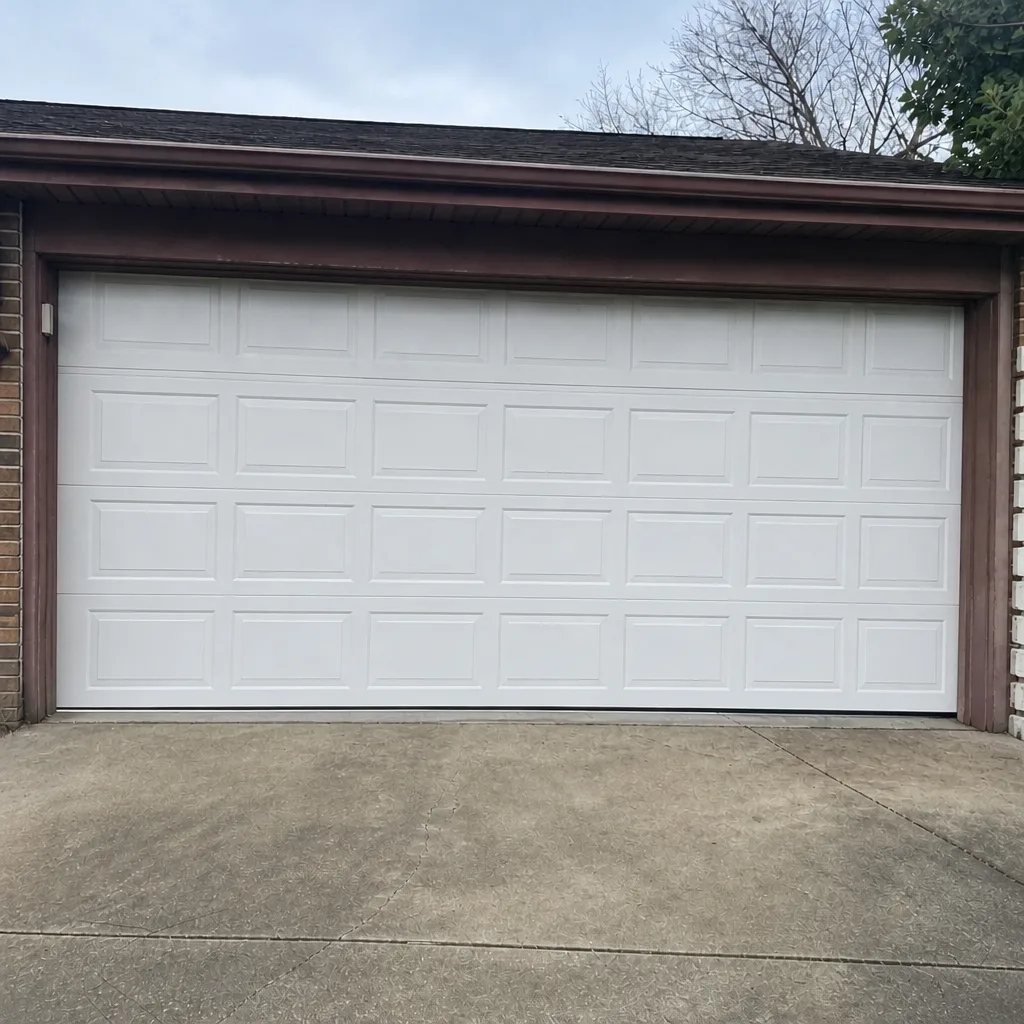 After
When to Call a Professional
Call a professional when the door won’t move, when you’ve heard a bang from the garage, when the door hangs crooked, when a spring shows a visible gap, or when the door is heavy to lift by hand. Call when the opener runs but the door doesn’t, when the safety reverse stops working, or when the door is out of balance. Call before you order a new door if your opening is non-standard, and call before you touch a spring or a cable. Those parts are under tension and can injure you. For a door that fails outside dispatch hours, we answer 24/7, and a call outside dispatch hours is booked into the next opening, Sunday through Friday, 7am to 7pm. Annapolis Garage Door Repair offers free estimates in Annapolis. Call (844) 976-0297.
Frequently Asked Questions
The cost depends on which component failed and what door you have, so we quote each job by written estimate rather than a flat rate. Spring work, opener repair, and general repair are all priced separately based on the parts and labor involved, and the written estimate is the price before any work starts. Call (844) 976-0297 for an exact quote. Estimates are free.
We dispatch Sunday through Friday, 7am to 7pm, and same-day service is often possible. We answer 24/7, and a call outside dispatch hours is booked into the next opening. Call (844) 976-0297 for an exact quote. Estimates are free.
Some work around the opening requires a permit and some doesn’t, and the answer depends on your property and the scope of the job. Ask the city’s building department directly before you order, and check whether your property is in a historic district or an HOA with design review. It’s a short conversation that can save you a rejected door.
We work on LiftMaster, Chamberlain, Genie, Craftsman, Clopay, Amarr, Wayne Dalton, and Raynor. That covers both door hardware and opener brands, so we can diagnose and repair the whole system in one visit rather than sending you to a second company when a repair reveals another problem. Call (844) 976-0297 with your brand and model ready.
No. In Annapolis’s mixed-humid climate, the door’s seal matters more than the R-value number. Choose an insulated steel door for most homes, but prioritize a proper perimeter and bottom seal, moisture-resistant insulation, and sturdy sections over the highest R-value on the label. Call (844) 976-0297 and we’ll talk through what fits your garage.
Often, yes, but only after we know the spring type and the door’s weight. Spring work is safety-critical, so it’s matched to the door and replaced in pairs when needed rather than guessed. Call (844) 976-0297 with your door type. We answer 24/7, with fast dispatch from 7am to 7pm, Sunday through Friday, and the estimate is free.
The Bottom Line
Garage doors in Annapolis aren’t a one-size decision. Your climate demands hardware and seals that handle humidity, your neighborhood may restrict the door you can choose, your opening may not be standard, and the right insulation answer is different here than it is in Minnesota. Measure your opening before you shop. Check your HOA and historic rules before you order. Prioritize the seal over the R-value. Treat springs and cables as the safety-critical parts they are, and have the door and opener checked together. If something has failed or you’re weighing repair against replacement, one call covers it. Call (844) 976-0297 for a free estimate. We answer 24/7, with fast dispatch from 7am to 7pm, Sunday through Friday.
Written by the team at Annapolis Garage Door Repair.